

The most common mistake readers make with inheritance horror is treating it as a haunted house story with a solicitor’s letter stapled on. It is not. The house is rarely the ghost. The house is the witness, and the real dread comes from what the heir is expected to take on: debts, names, silences. Pick your inheritance horror gothic estate novels UK 2026 reading list on that basis and you will choose better. First, a short story to show what I mean.
The Heir Who Dreamed in Ruins
The taxi left Edmund Vail at the gate. The driver would not go further, and did not say why.
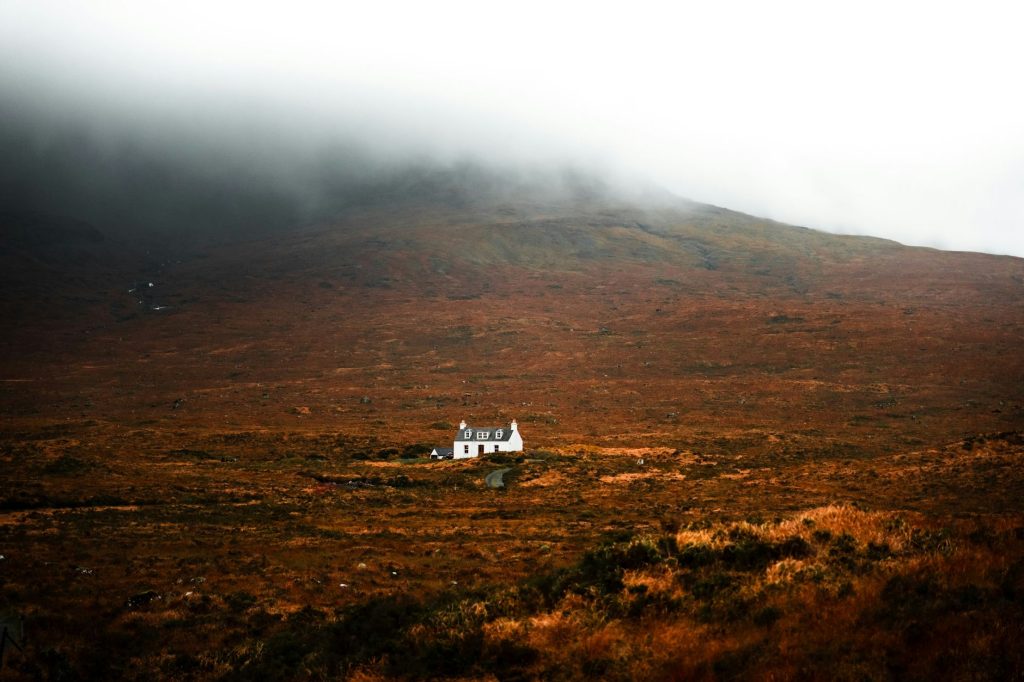
Harrowmere stood at the end of a lime avenue, slate roof sagging, ivy holding the east wing together out of spite. Edmund had never met his great-aunt. The letter said she had left him everything, and that the house would know him.
He assumed that was a figure of speech. Then the front door opened before he reached it.
Inside, the hall smelled of cold hearths and apples. On the table lay a visitors’ book, and the last entry was in his own handwriting, dated tomorrow. He shut it. The staircase creaked under him in a rhythm he found he could have hummed.
He slept in the blue bedroom because it was the only room with a made bed. He dreamed of the house as it had been: candlelit, loud, full of people who turned to look at him and smiled as though he were late. In the morning the wallpaper had peeled back overnight, and beneath it, pencilled in the plaster, were dates. Births, deaths, arrivals. Each had a name beside it. The last line, still fresh, read: Edmund. Stayed.
He tried the door. It opened easily, which was worse. The avenue outside was longer than he remembered, and the gate was nowhere in it. Behind him, very gently, the house cleared its throat like a host about to make a toast.
He went back in. The kettle was already warm.

How to choose inheritance horror gothic estate novels UK 2026 readers will love
The following steps are the method I would use, and the reasoning behind each one. I have anchored them in established books, because I would rather point you at titles I am sure of than guess at this year’s release lists. Check the current new-release tables in your local bookshop for 2026 arrivals, then apply the same tests.
- Decide what the house remembers. Memory is the engine of the form. In Daphne du Maurier’s Rebecca (1938), Manderley remembers a woman everyone claims to have forgotten. In Sarah Waters’s The Little Stranger (2009), Hundreds Hall remembers a class and a way of life that no longer pays for itself. Know which kind of memory you want, social or supernatural, before you buy.
- Check the heir’s reluctance. The best books give the newcomer a reason to leave and a stronger reason to stay. Shirley Jackson’s The Haunting of Hill House (1959) hands Eleanor the first home she has ever wanted. A reluctant heir who simply wants to sell is dull. One who is slowly flattered is frightening.
- Look for decay that is specific. Rot should have a smell, a sound and a repair bill. Mervyn Peake’s Titus Groan (1946) turns Gormenghast into a whole civilisation of crumbling ritual. Silvia Moreno-Garcia’s Mexican Gothic (2020) puts mould and fungus at the centre of High Place. Vague “ancient menace” is a warning sign.
- Match the dread to your evenings. Slow, social horror suits a long autumn weekend. Short, sharp books suit a commute. Susan Hill’s The Woman in Black (1983) is brief and begins with a solicitor’s clerk sent to settle a dead woman’s papers at Eel Marsh House, which makes it a tidy one-sitting inheritance read. Shirley Jackson’s We Have Always Lived in the Castle (1962) is short too, and nastier than its length suggests.
- Read the paperwork as plot. Wills, deeds and probate are a quiet source of terror: a name on a document is a commitment. If you want a sense of how real estates are settled, the government’s guidance on wills, probate and inheritance is a useful reality check before you enjoy watching fiction ignore it.
- Pair the book with a second shelf. Once a novel has you, widen out. If the cursed furnishings appealed, try our guide to horror novels with cursed or uncanny objects. If it was the sealed-in feeling, isolated-setting horror has the same claustrophobia with a sea view.
What to expect from this year’s crop
Publishers tend to refresh gothic backlists every autumn, with new editions, hardback reissues and fresh debuts crowding the tables from October. I would not promise you a specific 2026 title here, but I can tell you what to look for on the shelf. Check the blurb for a house with a name, a will or a summons, and a protagonist who arrives as an outsider. Those are the markers of the form, whatever the cover looks like.
Reissues are worth taking seriously. A new edition of a classic is often a better bet than an unproven debut, and the introductions can be good. Debuts, though, are where the form gets its fresh blood, so read the first page in the shop. If the house is described in the opening paragraph with real physical detail, a draught, a stain, a smell, the author understands the genre.
Why this form works in the cold months
Autumn suits estate gothic because everyone already half lives in it: the early dark, the damp hall, the heating debate. A good inheritance horror novel makes that ordinary discomfort sinister. Read it in a room with a lamp, not a ceiling light, and I suspect you will notice the house noises more than you expected.
As for Edmund, I cannot tell you how his story ends. The kettle was warm, though. Start with Rebecca if you have never opened a gothic estate novel, put the lamp on, and see how long it takes you to look at the stairs.


Leave a Reply