Category: Spooky

  • The Surgeon’s Private Collection: A Short Story and Review of the Best Body Horror and Visceral Dark Fiction for UK Readers

    The Surgeon’s Private Collection: A Short Story and Review of the Best Body Horror and Visceral Dark Fiction for UK Readers

    The invitation arrived on a Thursday, written in a hand so precise it looked engraved rather than penned. The Surgeon’s Private Collection. Viewing by appointment only. Bring an open mind and a steady stomach. I folded it twice and tucked it into my coat pocket. I should have left it there.
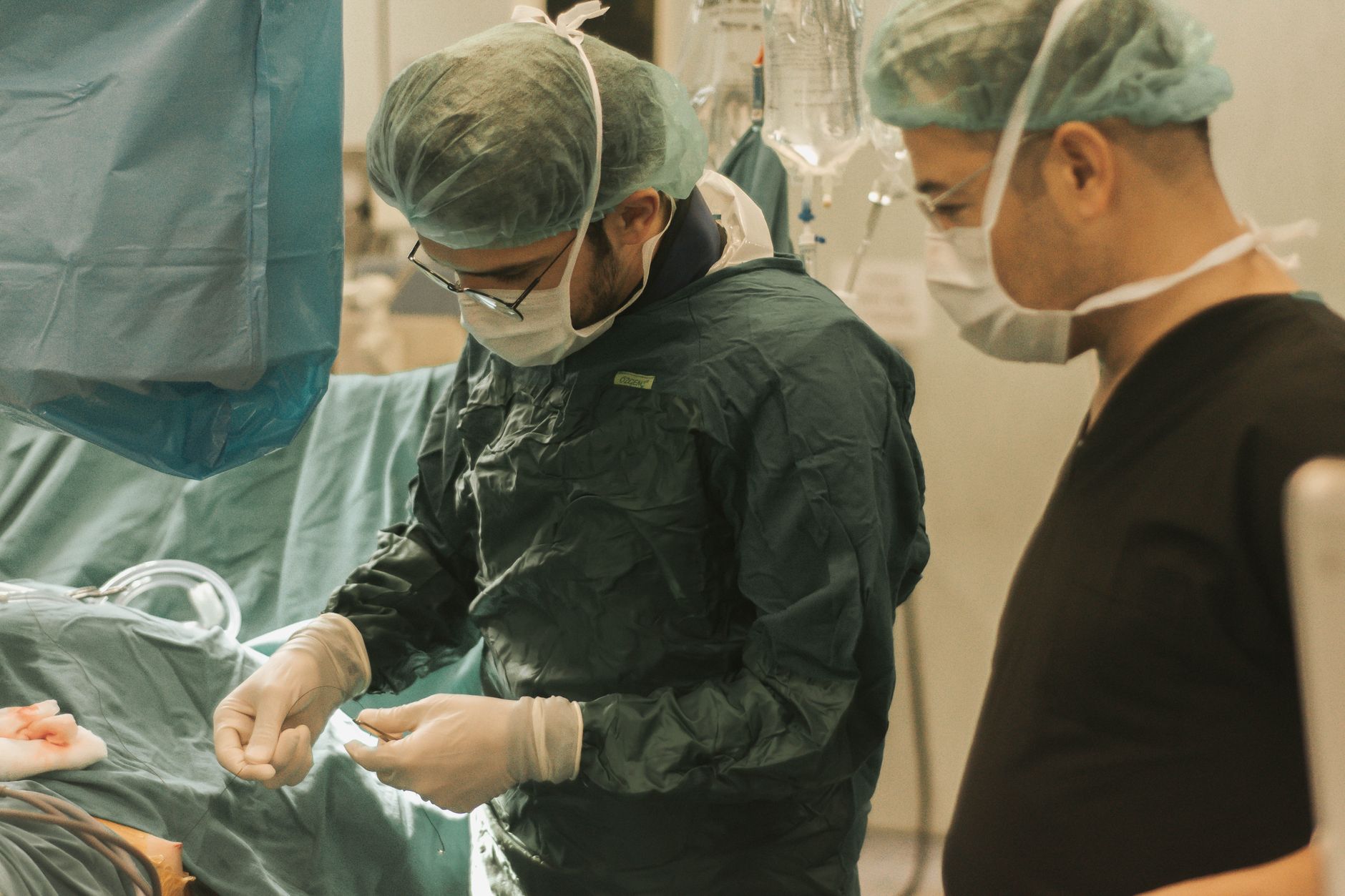
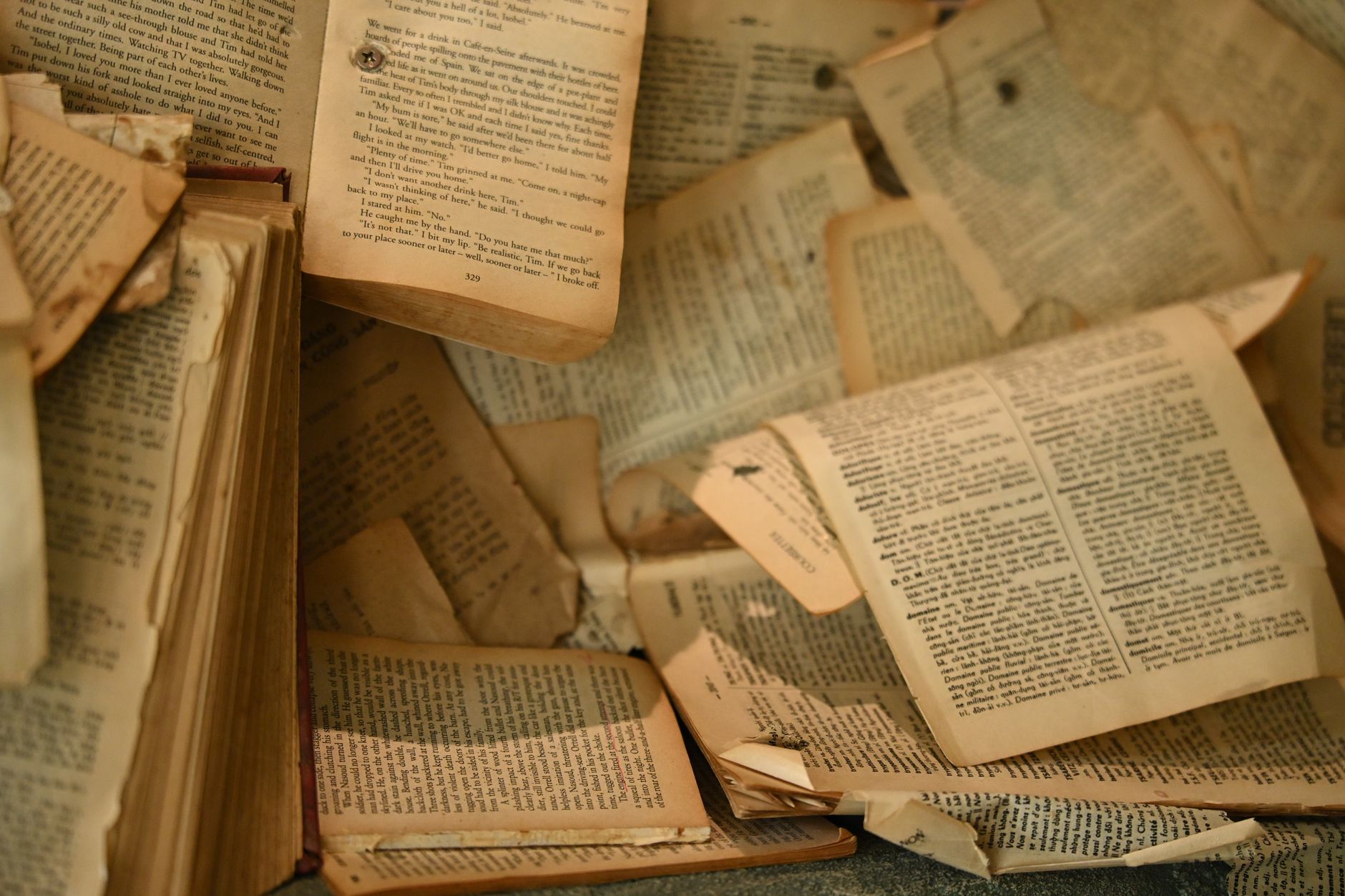
    A Victorian medical theatre setting evoking the atmosphere of body horror novels UK readers will recognise from dark historical fiction
    Photo by Ahmet Polat on Pexels

    The theatre was older than I had expected. Three flights up a staircase that smelled of carbolic soap and something underneath that, something warm and ferrous, like old pennies. The amphitheatre itself curved in pale stone tiers around a central table, lit from above by a glass roof through which the grey October sky pressed down like a thumb on a bruise. On the table: a leather satchel. Behind the table: no one at all.

    I sat in the front row. The satchel opened on its own.

    I’ve been drawn to body horror as a literary form for years, long before it became the subject of serious critical discussion. There is something uniquely honest about fiction that locates dread in the flesh itself, not in what lurks outside us, but in the rebellion of the body we inhabit. The best body horror novels do not ask you to be afraid of monsters. They ask you to be afraid of yourself.

    What the subgenre actually is (and why it matters now)

    Body horror, at its core, uses physical transformation, deterioration, or violation as its primary source of terror. It has always existed at the fringes, Kafka’s The Metamorphosis, Poe’s medical grotesques, the surgery-horror of early twentieth-century pulps, but the last decade has seen it move decisively into literary respectability. Publishers including Bloomsbury, Faber, and Titan Books have all released titles that reviewers in The Guardian’s books section and the Times Literary Supplement have engaged with seriously, not as genre curiosities but as fiction worth reckoning with on its own terms.

    The surgeon’s satchel contained, improbably, books.

    Each one was marked with a small red tab, like a specimen tag. I opened the first.

    The best body horror novels UK readers can find in 2026

    Carmen Maria Machado’s In the Dream House is not body horror in the strictest sense, but it belongs to any serious reading of the subgenre because of how it handles the body as a site of memory and damage. Published by Serpent’s Tail, it remains one of the most formally inventive books of recent years. If you’ve already worked through the oneiric unease of the best surrealist and dream-logic horror novels, Machado’s memoir is a natural companion, it uses genre conventions to make real violence legible in a way that conventional memoir cannot.

    Paul Tremblay’s A Head Full of Ghosts (published in the UK by Titan Books) operates at the boundary between possession narrative and psychological body horror. The body here is a contested territory, claimed by forces the novel refuses to definitively identify. Tremblay is meticulous about not letting you settle. I’d argue it’s one of the better American body horror imports precisely because it resists the easy catharsis most mainstream horror allows.

    Alison Moore’s The Lighthouse is quieter but no less disturbing, a British novel that lodges physical discomfort under the skin like a splinter, working through repetition and domestic claustrophobia. Moore is criminally underread in the UK. If coastal unease and physical unravelling interest you, you may also want to explore the best maritime horror and coastal gothic novels for UK readers, which covers adjacent territory.

    Kathe Koja’s The Cipher has recently been reissued and is now properly available in the UK through specialist genre retailers. Koja’s prose is abrasive by design, short, splintered sentences that accumulate physical texture the way scar tissue does. A hole in a floor consumes everything in its orbit, including the narrator’s body. It is one of the purest expressions of body horror as a form, and I was surprised by how fresh it reads.

    Stephen Graham Jones’s The Only Good Indians (Titan Books UK) does something genuinely difficult: it makes the body’s vulnerability feel both inevitable and unjust, rooting its horror in the specific weight of historical trauma. Jones has become something of a standard-bearer for literary body horror that carries moral and political seriousness alongside its genuine capacity to disturb. His craft is extraordinary.

    Rosie Garland’s The Night Brother, published by Borough Press, is a UK-native body horror novel set in Victorian Manchester that deserves far more attention than it received. A woman shares her body with a brother who only emerges at night; the novel uses this conceit to examine gender, class, and the violence of Victorian medicine with real historical care. Given the subgenre’s proximity to historical horror, readers may also enjoy the best historical horror novels set across Britain and Europe.

    Why body horror novels are drawing serious literary attention

    The surgeon left a note between the pages of the sixth book. It read: The body was always the argument. Everything else is footnotes.

    That is, I think, part of the answer. Body horror novels attract serious literary attention because they engage with questions that literary fiction has always circled: autonomy, identity, the limits of the self, the reliability of embodied experience. The genre frame simply removes the social niceties that allow readers to maintain comfortable distance. A body deteriorating in a horror novel is doing the same work as illness, ageing, addiction, or grief in a literary novel, it is just doing it without the permission structures that make those subjects feel safe.

    The critical shift is also generational. A cohort of editors, reviewers, and prize committees that grew up reading horror without embarrassment are now in positions of institutional authority. You can see it in the Booker longlist discussions, in broadsheet literary coverage, in the way university English departments now include genre fiction on syllabuses without requiring apology. The British Library’s horror fiction archive has expanded considerably since 2020, and that institutional attention matters.

    What to read if you’re new to the subgenre

    Start with Jones or Machado rather than Koja. Koja is brilliant but she assumes a certain familiarity with body horror’s vocabulary; she is not interested in easing you in. Jones and Machado both scaffold their horror carefully enough that readers who find themselves preferring psychological unease over visceral description will not feel stranded.

    If you find yourself wanting more after Garland, look for Sarah Hall’s short story collection Madame Zero, also published in the UK, which contains some of the most formally precise body horror writing I’ve read from a British author. Hall is literary enough that the stories appear on A-level and university reading lists, and strange enough that they belong here too.

    The satchel was empty by the time I stood to leave. The theatre was colder than it had been. The glass roof above was dark now, I had lost track entirely of time, and the light came from sources I could not identify. On the central table, the leather satchel had gone. In its place: a single specimen jar, sealed, containing something that moved.

    I did not open it. I recommend you do not either. Some things are better examined at one remove, through the protective glass of a very good book.
  • The Doll in the Attic Room: A Short Story and Review of the Best Horror Novels Featuring Cursed or Uncanny Objects

    The Doll in the Attic Room: A Short Story and Review of the Best Horror Novels Featuring Cursed or Uncanny Objects

    She has been watching the attic door for eleven years. She knows this because she counted the winters by the ice that formed on the inside of the skylight, eleven grey crusts, eleven meltings. Before the family left, the youngest child used to visit her up here, sitting cross-legged on the bare boards and whispering secrets into her painted ear. Then the family left. Then silence. Then you, holding a torch, breathing too loudly, your hand already reaching.

    I am the doll. I am telling you this now so there are no surprises. The porcelain is cold because the attic is cold, that is all. The way my glass eyes follow the light has a perfectly rational explanation that I will not be sharing with you today. What I will share is this: Edinburgh townhouses have long memories. The one you are standing in has a longer memory than most. And I have been the keeper of it since 1887, when a merchant on Heriot Row brought me home from a trading voyage and set me on the mantelpiece of his parlour, convinced I was merely decorative.

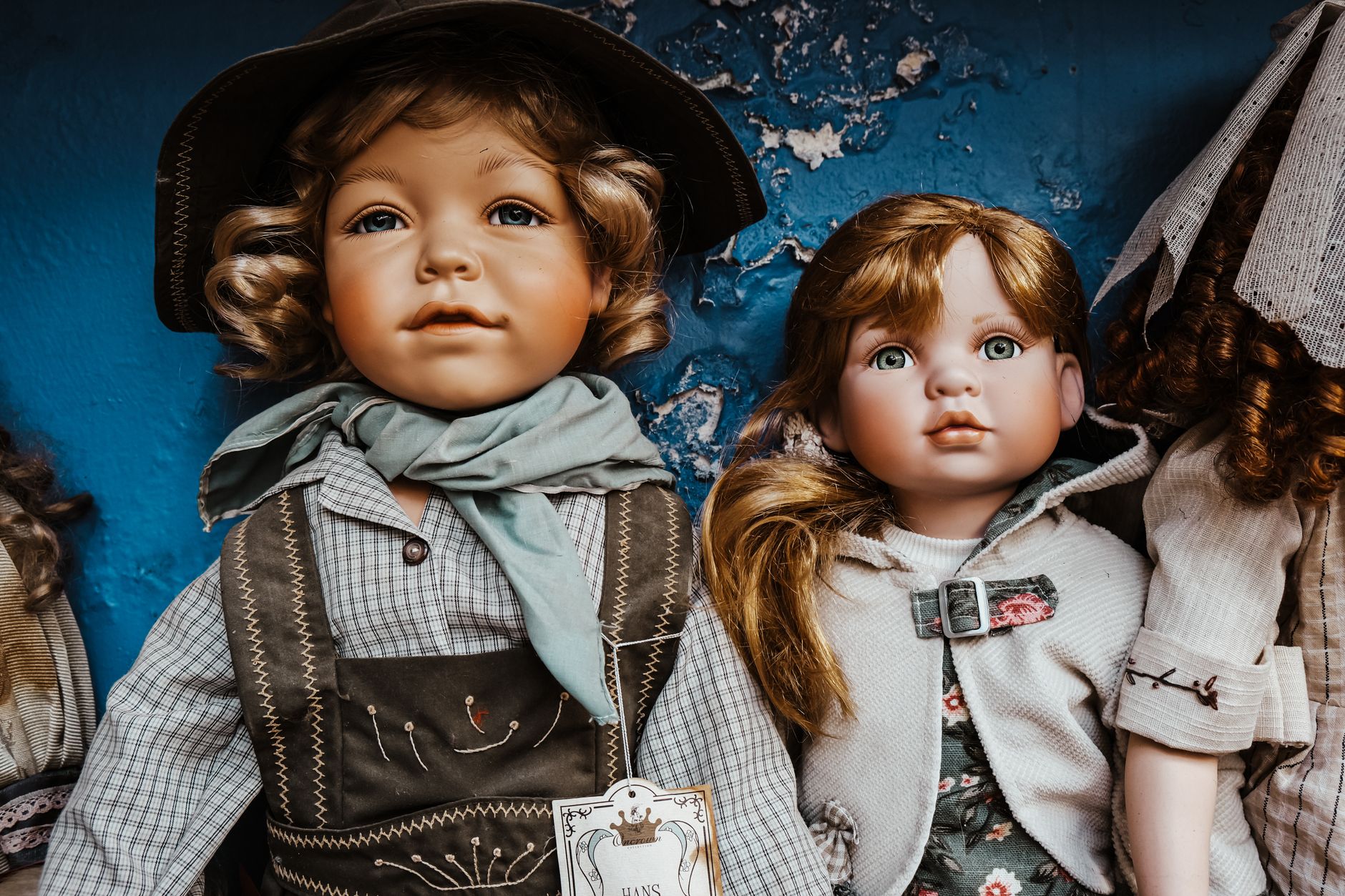
    Antique porcelain doll in a dark Edinburgh attic, evoking horror novels cursed objects UK readers will recognise
    Photo by İsra Nilgün Özkan on Pexels

    He was wrong, of course. They always are. Objects accumulate. Not dust, anyone can see dust. What accumulates is the invisible weight of every glance, every fear, every moment of midnight dread in which a sleeping mind turns towards the thing on the shelf and wonders. After enough years, enough people, enough wondering, something stirs. I did not ask to be cursed. I simply became what enough people believed I was. There is a lesson in that, though I doubt you are in the mood for lessons.

    Go ahead, then. Pick me up. Take me downstairs into the light. You will find I am heavier than I look.

    Why cursed objects make the best horror

    The doll-in-the-attic is one of horror’s oldest conceits, and yet it refuses to go stale. I think that is because the genre understands something psychology confirms: we are primed to assign intention to inanimate things. The British Psychological Society has written at length on anthropomorphism, on the way human minds reach for agency even in a clay figurine or a locked music box. Horror writers simply take that instinct and follow it to its most uncomfortable end. The result, at its best, is a category of fiction that is not really about objects at all. It is about inheritance, about guilt, about the weight of what we cannot bring ourselves to throw away.

    The best horror novels cursed objects UK readers can find tend to do exactly this: they use the sinister thing as a prism through which an entire history refracts. Below are the novels I would recommend from my perch up here in the dark, the ones that understand what a wrong object can do to a house, a family, a bloodline.

    The best horror novels built around cursed or uncanny objects

    The portrait that watches: Mexican Gothic by Silvia Moreno-Garcia

    Moreno-Garcia’s novel is set in a crumbling mansion in 1950s Mexico, and the cursed object at its centre is not a single thing but a house full of them, portraits, wallpaper, furniture soaked in something older than memory. The book was published by Jo Fletcher Books in the UK and has been widely available from Waterstones and independents since 2020. It belongs to a tradition of the Gothic house-as-object, the dwelling that has absorbed so much suffering it has become the curse itself. If you enjoyed the atmosphere of our exploration of isolated-setting horror, Moreno-Garcia’s claustrophobic mansion will feel immediately familiar.

    The malevolent heirloom: Thin Air by Michelle Paver

    Paver is one of the finest British horror writers working today, and Thin Air, set during a 1935 mountaineering expedition to Kangchenjunga, deploys its haunting through an object carried unknowingly from a previous doomed climb. The horror here is about possession in both senses: the mountaineer’s obsessive need to summit, and whatever the object brings with it from the ice. Paver’s prose is exact and merciless. Published by Orion, this is a novel that rewards a reading in one sitting, ideally on a cold evening in a well-lit room. Do not read it anywhere resembling an attic.

    The sinister portrait: The Picture of Dorian Gray by Oscar Wilde

    I cannot in good conscience compile a list of horror novels cursed objects UK readers should know without including Wilde’s masterwork, which remains the most culturally resonant treatment of the cursed portrait ever written. The novel was first published in 1890, the same decade I came into being, and I find the timing instructive. The portrait in Wilde’s story absorbs Dorian’s moral deterioration so his face need not. The object becomes the honest record of a dishonest life. It is available in dozens of editions, Penguin Classics prints the definitive text with useful annotations, and it is shorter than most people expect. Read it in a weekend. The ending stays with you far longer.

    The locked box: The Troop by Nick Cutter

    Cutter’s 2014 novel is less about a single object than about the idea that horror can be contained, sealed, managed, until it cannot. Published in the UK by Titan Books, The Troop is genuinely one of the most viscerally disturbing novels I have recommended to anyone in a long time. I am a porcelain doll in an Edinburgh attic and even I found the third act difficult. The uncanny object here is a medical case, a body, a closed system that should have stayed closed. Cutter understands that the horror of cursed objects lies in their apparent passivity: they sit there, they wait, they let you make the first move.

    The haunted antique: House of Leaves by Mark Z. Danielewski

    Strictly speaking, the cursed object in Danielewski’s labyrinthine novel is the house itself, a house that is dimensionally wrong, that contains more space inside than its exterior should permit. Published by Pantheon in the US but freely available from UK booksellers and widely stocked across Foyles and Blackwell’s branches, House of Leaves is the novel most likely to make you distrust your own home. The book’s format, footnotes within footnotes, appendices, documents within documents, makes it feel like an artefact rather than a story. Readers who enjoy the idea of fiction as a cursed object in itself should also read our piece on surrealist and dream-logic horror novels, where the genre pushes its formal experiments even further.

    The cursed relic: The Fisherman by John Langan

    Langan’s novel is structured as a story within a story within a story, each layer containing some new version of the object at its heart: a hook, a wound, a bargain made in grief beside a dark river in upstate New York. Published by Word Horde and available through UK specialist horror retailers, The Fisherman is the kind of novel that arrives quietly and leaves a permanent mark. It has affinities with the ghost story tradition explored in our review of the best ghost story collections by British and Irish authors: the idea that grief, when it is stubborn enough, can animate the inanimate. That the bereaved and the cursed object deserve each other, in the worst possible way.

    A note on what horror novels cursed objects UK readers should look for

    The best entries in this subgenre share a particular quality: the object is never the point. The portrait, the doll, the box, the house, these things matter because of what they reveal about the people who own them, who inherit them, who refuse to throw them away. According to the Bookseller, Gothic fiction and supernatural horror are among the fastest-growing categories in UK publishing right now, and I would argue the object-centric novel is driving much of that growth. We want stories about accumulation. We want stories about the things we cannot leave behind.

    I know something about that. The merchant on Heriot Row could have dropped me into the Firth of Forth any morning he chose. He did not. His daughter inherited me. Her daughter packed me in tissue paper and brought me up here, to this attic, to this skylight, to eleven winters of counting ice.

    You are still holding me. I noticed you did not put me down.

    That is all right. I am used to waiting. The door is just behind you, if you need it. Though I should mention: the latch sticks on the way out.

    It never used to do that.

    Frequently Asked Questions

    What are the best horror novels about cursed objects for UK readers?

    Some of the strongest options available from UK booksellers include Michelle Paver’s Thin Air, Silvia Moreno-Garcia’s Mexican Gothic, and Oscar Wilde’s The Picture of Dorian Gray. Each uses an uncanny object as the engine of its horror while exploring deeper themes of guilt, inheritance, and obsession.

    Are horror novels featuring cursed objects a distinct subgenre?

    They sit within Gothic and supernatural horror, but object-centric horror has its own recognisable conventions: the passive menace of an inanimate thing, the slow accumulation of dread, and a backstory that reveals the object’s origin. Publishers like Titan Books and Orion actively commission in this space, which suggests strong reader demand in the UK.

    Is The Picture of Dorian Gray considered a horror novel?

    Wilde described it as a moral fable, but by any modern classification it is a Gothic horror novel with a supernatural premise. The portrait that ages in place of its subject is one of fiction’s most enduring cursed objects, and the novel’s themes of corruption and consequence are as unsettling now as they were in 1890.

    Where can UK readers buy specialist or small-press horror like The Fisherman by John Langan?

    Independent horror specialist retailers such as Forbidden Planet in London stock many small-press titles, and online via Blackwell’s or direct from Word Horde’s own site. Larger chains like Waterstones can also order titles on request, so it is worth asking at your local branch.

  • The Dreamer’s Cabinet: A Short Story and Review of the Best Surrealist and Dream-Logic Horror Novels Available in the UK in 2026

    The Dreamer’s Cabinet: A Short Story and Review of the Best Surrealist and Dream-Logic Horror Novels Available in the UK in 2026

    The cabinet arrived on a Tuesday, which felt wrong. Terrible things, in my experience, should arrive on Thursdays at the earliest. It stood in the corner of the shop where the travel section used to be, before the travel section began rearranging itself at night and I decided, collectively, that we didn’t need to know where any of those places were.

    It was taller than a man. Dark wood, the colour of old tea. Seven drawers, each labelled in a script that changed depending on the angle of your head. The top drawer, when I finally opened it at half past two on a Wednesday morning, contained something that breathed. Not loudly. Just enough.

    A dark antique cabinet in a shadowy bookshop room, evoking surrealist horror dream fiction novels UK 2026
    Photo by Max Vakhtbovych on Pexels

    I’d been reading too much surrealist horror fiction. That was my first rational explanation, and I held onto it the way you hold a bannister in the dark. The second explanation, which I entertained briefly and then locked away, was that the cabinet was real, the breathing was real, and the seven sleeping curiosities inside it were simply waiting for me to read the right book. Or the wrong one.

    If you’re drawn to fiction that treats reality as a suggestion rather than a rule, 2026 has been an extraordinary year for surrealist horror dream fiction novels in the UK. I’ve been working through a stack of them for months now, and I can report that the genre is doing something genuinely strange and compelling. These aren’t ghost stories in the classical sense. They’re something older and less polite.

    What makes surrealist horror work (and why British readers respond to it)

    The best dream-logic fiction doesn’t explain itself. That’s the first rule, and the writers who understand it produce books that follow you home. The logic of a nightmare, after all, is internally consistent. Doors open onto other doors. Clocks run backwards but arrive on time. You know the figure at the end of the corridor, even though you’ve never seen its face.

    British readers, I’d argue, have a particular appetite for this. We grew up with Alice in Wonderland, with Mervyn Peake’s Gormenghast, with Angela Carter’s unsettling fables. There’s a long tradition here of fiction that refuses to behave. The surrealist horror shelf is simply that tradition grown teeth.

    The cabinet hummed when I placed a book on top of it. Not aggressively. More the way a cat hums when it’s watching something you can’t see.

    The best surrealist horror and dream fiction novels to read in the UK right now

    Let me be specific about what I mean by dream-logic fiction, because the category is wider than it first appears. I’m not talking about fantasy novels where magic follows clear rules, nor straightforward psychological thrillers. I’m talking about books where the architecture of reality shifts mid-sentence, where you trust the narrator less the further you read, where the ending refuses to arrive cleanly. These are the books that sit in the gap between the sleeping and the waking.

    Carmen Maria Machado’s In the Dream House (Serpent’s Tail) remains the benchmark. Machado uses second-person narration and fairy tale tropes to map an abusive relationship, and the result is one of the most formally inventive and genuinely disturbing books of the last decade. If you haven’t read it, the paperback is widely available across UK bookshops and it belongs on your shelf immediately.

    Paul Tremblay’s A Head Full of Ghosts plays with possession narratives and reality television in ways that leave you genuinely uncertain about what happened. Tremblay is meticulous about never letting you settle. His more recent work continues in the same vein, and his novels are reliably stocked by Waterstones and independent shops alike.

    For something more purely hallucinatory, T. Kingfisher’s What Moves the Dead retells Poe’s The Fall of the House of Usher with genuine strangeness intact. Kingfisher is one of the best working writers of horror that refuses comfortable explanations, and this novella is the ideal entry point. It’s short enough to finish in an evening and long enough to haunt you for a fortnight.

    Jon McGregor’s Even the Dogs isn’t shelved as horror, but it belongs in this conversation. The novel’s narrative voice is genuinely uncanny, plural and fragmented, and it does something to your sense of time and self that most overtly horror novels never quite manage. McGregor is a Booker Prize-shortlisted British author, and this is his most unsettling work by some distance.

    More recently, Alison Rumfitt’s Tell Me I’m Worthless (Cipher Press, a small UK indie press) is one of the most formally daring horror novels published in Britain in recent years. A house that is also a wound, a narrative that fractures along the lines of the characters’ trauma, prose that occasionally stops making sense in exactly the right way. I’ve recommended it to everyone I know who can handle it. Not all of them thanked me.

    The Guardian’s books coverage has increasingly given space to this corner of horror fiction, which suggests the mainstream is catching up with what independent bookshops have known for a while: dream-logic horror is having its moment.

    Connecting the dots: where this sits in the wider horror landscape

    If you’ve already read your way through the classic ghost story tradition, our piece on the best ghost story collections by British and Irish authors is a useful parallel shelf. There’s genuine overlap between the ghost story form and the dream-logic novel, particularly in the way both genres use architecture as a psychological map. Houses, libraries, schools, ships: spaces that contain more than they should.

    Similarly, if the surrealist edge appeals to you but you want something more rooted in myth and legend, the fiction covered in our mythology-retelling novels piece sits in adjacent territory. Mythology and dream-logic share a grammar: both operate by association rather than causation, both treat symbol as substance.

    The cabinet’s second drawer, when I finally got around to it, contained letters. All of them addressed to me. All of them dated next year. I put them back without reading them, which I maintain was the correct decision, and brewed a strong cup of tea.

    A few titles that don’t fit neatly anywhere

    The best surrealist horror often resists categorisation, which is part of the point. Kathe Koja’s The Cipher, long out of print but now available through Meerkat Press, is a fever dream of a novel about a hole in the floor of a flat that shouldn’t exist. It reads like someone transcribed a nightmare at three in the morning and then edited it only lightly. It’s extraordinary.

    For readers who want something more recent, Stephen Graham Jones’s The Only Good Indians is available in UK paperback and blends cultural horror with dream-space in ways that feel entirely new. Jones is one of the most interesting horror writers working anywhere right now, and his books have finally found proper distribution here.

    And if you want something that sits right at the edge of the occult thriller and the dream novel, the books covered in our secret society and occult thriller novels piece are worth your attention. The best of them use secret knowledge as a metaphor for the dream-state: the sense that there’s a pattern beneath the visible world, and that seeing it clearly might cost you something.

    By the time I got to the seventh drawer, I’d stopped being frightened. That’s the thing about reading in this genre: it recalibrates your baseline. The breathing was still there. Slower now, as if the thing inside had heard me reading aloud, and had settled.

    I closed the drawer. I went back to bed. In the morning, the cabinet was exactly where I’d left it, and the top drawer was locked. I haven’t found the key. I’m not sure I’m looking very hard.

    These are the books for that feeling. Read them at your own risk, in whatever light you have left.

    Frequently Asked Questions

    What are surrealist horror and dream-logic fiction novels?

    Surrealist horror and dream-logic fiction are novels where the internal rules of reality shift, dissolve, or contradict themselves in ways that feel more like nightmares than straightforward narrative. Unlike traditional horror, these books rarely provide clear explanations; the dread comes from the disorientation itself. Authors like Carmen Maria Machado and T. Kingfisher are widely cited as current standouts in the genre.

    Where can I buy surrealist horror dream fiction novels in the UK in 2026?

    Most of the titles mentioned are available through Waterstones branches across the UK, as well as independent bookshops and online via Bookshop.org UK, which supports independent retailers. Some smaller press titles like Alison Rumfitt’s work are best sourced directly from Cipher Press or specialist horror stockists.

    Is surrealist horror different from psychological horror?

    They overlap but aren’t the same. Psychological horror typically maintains a coherent reality even as it explores disturbed mental states; the reader usually knows what’s real, even if the character doesn’t. Surrealist horror deliberately dismantles that boundary, so neither the reader nor the narrator can be certain what’s real. The effect is closer to dreaming than to paranoia.

  • The Coven in the Boarding School: A Short Story and Review of the Best Dark Academia Horror Novels Set in British Schools and Universities

    The Coven in the Boarding School: A Short Story and Review of the Best Dark Academia Horror Novels Set in British Schools and Universities

    The rumour at Ashwick Hall was that the north tower had been locked since 1962. That was the year a sixth-form girl named Rosalind Fenn had climbed the stairs and not come back down. The official record, buried somewhere in the school archivist’s damp filing cabinets, cited a tragic accident. But Meredith, who had been at Ashwick exactly eleven days and had already learnt to distrust everything the staff said with a smile, did not believe a word of it.

    She found the door on a Wednesday evening in October, during what the timetable cheerfully called “free study.” The corridor leading to it smelt of old stone and something underneath the stone: something sweet and wrong, like flowers left too long in standing water. The lock was iron, ornate, and old. It was also open.

    Dark stone corridor of a British boarding school at night, evoking dark academia horror novels
    Photo by Ramon Karolan on Pexels

    Inside, the six of them found the circle. Chalk lines on floorboards, names in Latin she half-recognised from the school’s own motto, and at the centre of it all a book so old its cover had turned the colour of a bruise. Imogen was the one who touched it first. She always was. And that was when Ashwick Hall began, in its quiet and unhurried way, to wake up.

    What makes dark academia horror so compelling in British settings?

    Dark academia horror novels have become one of the more interesting corners of fiction in the past few years, and the British educational setting has always been particularly fertile ground for them. There is something about these institutions, the Gothic stonework, the enforced hierarchies, the sense that tradition here carries actual weight, that lends itself to dread. I’ve read a fair few of these, and the ones that work best use the school or university as something more than backdrop. The building itself becomes a character, its history pressing into the present like a thumb into soft wax.

    The British boarding school, specifically, carries centuries of psychological freight. The dormitories, the fagging systems long since abolished but still somehow remembered in the walls, the way certain houses have reputations no one can quite explain. For readers who grew up in or near these institutions, the horror lands differently. For those who didn’t, the alienness of it all adds its own layer of uncanny. Either way, the genre has produced some genuinely unsettling fiction rooted in these settings.

    The best dark academia horror novels set in British schools and universities

    The Secret History by Donna Tartt is not British, strictly speaking, but its grip on the dark academia genre is so complete that any honest list has to reckon with it. A small classics tutorial, an isolated New England campus, a murder committed in the dark. The Oxbridge reader will notice echoes everywhere: the tutor as gatekeeper, the cohort as self-sealing social unit. It set the template, and British writers have been working productively against it ever since. You can find it widely through most UK bookshops and libraries.

    Plain Bad Heroines by Emily M. Danforth splits its horror between a cursed early twentieth-century New England school and a contemporary film production drawn to the same place. Again, not British in location, but it is particularly interesting to British readers because its source material, a fictional 1900s school novel, mimics the kind of girls’ school literature that flourished here in that period. Angela Brazil’s cheerful hockey-pitch adventures suddenly feel a great deal more sinister when read through Danforth’s lens.

    For something rooted firmly on this side of the water, The Lessons by Naomi Alderman is essential reading. Set among Oxford undergraduates drawn into the orbit of a charismatic, enormously wealthy fellow student, it is not explicitly supernatural, but it carries that clammy feeling throughout. The power dynamics of Oxford, the way certain doors open and others close depending on which quad you live in, are rendered with real precision. Alderman, who studied at Oxford herself, knows exactly which details to press.

    Ancient leather book by candlelight, central to a dark academia horror setting
    Photo by Ash Linahan on Pexels

    Bunny by Mona Awad takes place at a creative writing MFA programme, and whilst its American setting keeps it out of the British school tradition directly, it has found an enormous readership here and reads like a particularly deranged fever-dream version of a graduate seminar. The body horror lurking beneath its literary-world satire is genuinely effective. I’d argue it belongs on any dark academia horror list simply for the sheer strangeness of what it does with academic belonging and exclusion.

    Closer to home, If We Were Villains by M.L. Rio is set at a small American drama conservatory, but it has the feel of a British theatrical tradition transplanted: Shakespeare as sacred text, performance as identity, a closed cohort that turns inward until something breaks. It became a word-of-mouth phenomenon among UK readers and for good reason. The tension between high culture and moral collapse is handled with a great deal of skill.

    For something with a more explicitly gothic British setting, Plain Bad Heroines aside, readers should look at The Virgin Suicides by Jeffrey Eugenides and then, more directly, at the recent work coming out of UK horror imprints. Titan Books and Orbit have both been publishing strong horror fiction in 2025 and into 2026 that draws on British institutional settings. The Bookseller has been tracking the trend, noting a genuine uptick in submissions set in British boarding schools, red-brick universities, and ancient grammar schools.

    If the occult and secret-society angle draws you in, I’d also point you towards our piece on the best secret society and occult thriller novels for UK readers, which covers several titles that overlap interestingly with the dark academia tradition. And for historical horror set in institutions of a different kind, the plague doctor’s notebook covers novels that use Britain’s darker institutional past to equally unsettling effect.

    Back in the north tower

    Meredith did not open the book that night. That honour went to Imogen, who read three lines aloud before the candles went out. In the dark, something in the walls of Ashwick Hall shifted, like a sleeper turning over. By morning, Imogen had forgotten what she had read. But the circle on the floor was wider than it had been.

    Over the following fortnight, small things changed. A teacher who had taught at Ashwick for thirty years started avoiding the north corridor. The sixth-form common room’s single clock stopped at the same time each evening: 11:47. And the book, which Meredith had wrapped in her spare jumper and shoved under her bed, began to feel warm to the touch even through the wool.

    The best dark academia horror novels capture exactly this quality: the gradual, almost polite encroachment of something wrong into a world that insists on its own rationality. Schools are, after all, fundamentally institutions of reason. The curriculum, the timetable, the grade, the exam. When horror enters these spaces, the contrast makes it worse. Not better. There is something particularly cold about dread that arrives during a Latin lesson.

    I keep coming back to the British boarding school setting because it carries its own mythology already, one that doesn’t need much pressure applied before it starts yielding strange shapes. Readers who’ve followed our guide to the best ghost story collections by British and Irish authors will recognise the same tradition at work here: a very old country with very long institutional memories, and writers who know how to listen to both.

    Meredith, for her part, eventually found the archivist’s filing cabinet. The folder on Rosalind Fenn, 1962, was thinner than she expected. One page. On it, in a handwriting that looked nothing like the school secretary’s, someone had written: She did not fall. She stayed. Do not go looking for what stayed with her.

    Below that, someone else had added a small note in pencil, years later by the look of the fading: They never do listen.

    Meredith put the folder back, walked out of the archive room, and went directly to find the others. They had a book to discuss, and very little time in which to discuss it sensibly. Outside, October had turned the grounds the colour of old rust, and somewhere in the north tower, a light that had no business being on was on.

    For those of you who like to keep a reading list as elaborate as a sixth-former’s secret ritual, the team at 0lly shares that same obsessive energy when it comes to cataloguing the things worth knowing about. Dark academia readers will understand the impulse. And if the gothic corridors of portal fantasy and dark fantasy fiction appeal to you as much as the boarding school variety, there’s plenty more waiting in the stacks.

  • The Scholar Who Would Not Leave: A Short Story and Review of the Best Ghost Story Collections by British and Irish Authors

    The Scholar Who Would Not Leave: A Short Story and Review of the Best Ghost Story Collections by British and Irish Authors

    The study was cold even in July. Dr Aldous Fenn had always kept it that way, convinced that a warm room made for drowsy scholarship. Eighteen months after his death, the room was colder still, and the books on his shelves had begun to rearrange themselves in the night.

    His housekeeper, Mrs Colquhoun, noticed it first. She had catalogued those shelves herself in the weeks after the funeral, alphabetical by author, sensible and final. But each morning she would find M.R. James back beside Sheridan Le Fanu, Elizabeth Gaskell pressed against Robert Aickman, as though the old man were still in there pottering about at two in the morning, dissatisfied with someone else’s system. She did not call the council. She did not call a priest. She made tea, sat at the edge of the worn green chair by the fire, and said aloud: “All right, Professor. Show me what you want.”

    Candlelit Victorian study with overflowing bookshelves evoking the mood of the best British Irish ghost story collections 2026
    Photo by Sami TÜRK on Pexels

    What he wanted, it turned out, was to be read. Or perhaps more precisely, he wanted someone to understand why those particular books mattered to him, why the homegrown ghost story tradition of Britain and Ireland was something altogether different from the American horror novel or the continental Gothic. He had been writing that argument in a manuscript that remained, at his death, forty pages from completion. Mrs Colquhoun, who had a first-class degree in English Literature from the University of Edinburgh and had spent thirty-two years pretending she hadn’t, sat down and finished reading what he had started.

    I like to think she found her way through the same shelves I keep returning to. Because the British and Irish ghost story is a genuinely distinct thing, and the best ghost story collections 2026 has brought back into print or newly published make a compelling case for why it refuses to die.

    What makes the British and Irish ghost story different

    The American horror tradition tends toward rupture. Something arrives, violently and without apology, and the world is broken open. The British ghost story works differently. Here, the uncanny seeps in at the edges. A door that won’t stay shut. A letter that shouldn’t have been delivered. A sound on the landing that belongs to no living person. The dread is never quite confirmed, never quite dismissed. You close the book unsure whether you’ve just read a ghost story or a very precise study in grief and guilt.

    The Irish tradition adds another layer: land, dispossession, and the long memory of the dead who were never given proper account. Sheridan Le Fanu, writing in Dublin in the nineteenth century, understood that the supernatural and the political could occupy exactly the same sentence. That inheritance runs through Irish writing still.

    I’ve read widely in this tradition for years, and the collections below are the ones I keep returning to, keep pressing on strangers, keep finding on Dr Fenn’s imaginary shelves rearranged in the night.

    The collections worth owning

    M.R. James: Collected Ghost Stories is the place most readers begin, and for good reason. James, a medieval scholar at Cambridge and Eton, invented the antiquarian ghost story almost entirely by himself: mild-mannered men, usually academics, disturbing things that should have been left alone in churches, manuscripts, or garden hedges. “Oh, Whistle, and I’ll Come to You, My Lad” remains one of the most frightening short stories in the English language. The Penguin Classics edition is the one I’d recommend; it includes the lesser-known stories that James himself was less certain about, and they’re frequently more interesting for that uncertainty.

    Robert Aickman: Strange Tales sits at the uncomfortable end of the genre. Aickman called his work “strange stories” rather than ghost stories, and the distinction holds. Nothing is explained. Characters enter situations that feel wrong in ways they cannot name, and they leave changed, or they do not leave at all. His story “The Inner Room” has haunted me for a decade. Faber & Faber have kept his work in print in the UK, which is one of the better things they’ve done.

    Elizabeth Gaskell: Gothic Tales, collected by Penguin, demonstrates that the Victorian ghost story was never exclusively a man’s game. Gaskell’s supernatural fiction is domestic and therefore more frightening for it. The horror is in the house, in the marriage, in the thing no respectable woman was supposed to say aloud. “The Old Nurse’s Story” belongs on any serious reading list in this tradition.

    Sheridan Le Fanu: In a Glass Darkly is the Irish anchor. Le Fanu’s five stories, presented as case studies from a fictional occult detective, include “Carmilla”, which predates Dracula by twenty-six years and is far more psychologically sophisticated. The sense of helplessness before an ancient, patient evil is something Le Fanu managed better than almost anyone who followed him. The Oxford World’s Classics edition includes useful notes on the historical context, which matters for understanding why these stories felt so charged to their original readers.

    For something more recent, The Spectral Book of Horror Stories, published annually by Spectral Press and available through independent UK booksellers, gathers contemporary British writers working in this tradition. The quality varies by year, as anthologies always do, but the 2024 edition included three stories I’d put against anything James wrote. It’s the kind of collection that reminds you the tradition is alive and finding new practitioners who haven’t simply decided to write American horror with British postcodes.

    Susan Hill’s The Woman in Black deserves mention not as a collection but as a single novella that captures the essence of what this tradition does: restraint, accumulation, a sense of something watching from just outside the frame. Hill has spoken in interviews about James as a direct influence, and it shows. If you’ve only seen the stage production or the film, the book is a different and quieter experience. The BBC’s arts coverage has traced Hill’s place in this tradition well over the years.

    Why read ghost stories now

    I think the ghost story endures because grief endures. Every ghost story is, at some level, about the difficulty of accepting absence. The dead won’t stay where we’ve put them. They have unfinished business, or we do. Mrs Colquhoun, sitting in Dr Fenn’s study finishing his manuscript in her head, understood that. She wasn’t frightened of the rearranged books. She was grateful for them.

    The best British Irish ghost story collections 2026 has available aren’t escapism exactly. They’re a way of sitting with the things we haven’t resolved, in the company of writers who understood that the uncanny is just the name we give to feelings too large and too old to fit inside ordinary language. If you’ve found your way to maritime dread through our piece on the best maritime horror and coastal Gothic novels, or you’ve explored the darker end of the historical through our Plague Doctor’s Notebook recommendations, then the ghost story collections above are the natural next step. And if secret societies and occult conspiracies are more your register, the Society of Midnight Readers has you covered there too.

    Dr Fenn, I suspect, would approve of the reading list. On the mornings when the books on my own shelves seem slightly wrong, slightly rearranged, I choose to believe it’s a recommendation rather than a warning. He always did have strong opinions about people who hadn’t read enough James.

    Frequently Asked Questions

    What are the best British and Irish ghost story collections to read in 2026?

    M.R. James’s Collected Ghost Stories, Robert Aickman’s Strange Tales, and Sheridan Le Fanu’s In a Glass Darkly are the essential starting points. For contemporary work, the annual Spectral Book of Horror Stories from Spectral Press gathers newer British writers keeping the tradition alive.

    How is the British ghost story tradition different from American horror?

    British ghost stories tend to work through restraint and ambiguity rather than explicit rupture. The uncanny seeps in at the edges, through atmosphere, implication, and psychological unease, and is rarely fully confirmed or explained. The Irish tradition adds themes of land, dispossession, and historical memory that give it a distinct political charge.

    Who is the most important writer in the British ghost story tradition?

    M.R. James is widely considered the defining figure. His antiquarian ghost stories, featuring scholarly men disturbing ancient evils, established the template that most British ghost story writers since have worked within or against. Robert Aickman is the other essential name, though his stranger, more surreal approach makes him harder to categorise.

    Where can I buy these ghost story collections in the UK?

    Most are available through Waterstones, independent booksellers, and directly from publishers like Penguin, Faber & Faber, and Oxford World’s Classics. Spectral Press titles are best found through specialist independent bookshops or the publisher’s own website.

    Is Susan Hill's The Woman in Black a collection or a standalone novel?

    It’s a standalone novella rather than a collection, but it’s essential reading for anyone interested in the British ghost story tradition. Hill cites M.R. James as a major influence, and the novella’s use of restraint, atmosphere, and cumulative dread places it firmly within that lineage.

  • The Signal from the Lighthouse: A Short Story and Review of the Best Maritime Horror and Coastal Gothic Novels for UK Readers

    The Signal from the Lighthouse: A Short Story and Review of the Best Maritime Horror and Coastal Gothic Novels for UK Readers

    The first distress signal came through at 02:47 on a Tuesday in November. Not a radio crackle, not a flare. A book. Wedged beneath the door of the lighthouse keeper’s quarters on the Isle of Mull, sopping wet, the cover almost entirely stripped by the sea. The keeper, a woman named Agnes Dreich who had tended that light for eleven years, picked it up with two fingers and held it at arm’s length as though it might bite.

    The title was illegible. But inside the front cover, in a hand she did not recognise, someone had written: If you are reading this, the water has already come for me. Read carefully. Read quickly. Do not go down to the shore tonight.

    A fog-bound Scottish lighthouse at night, evoking the atmosphere of maritime horror novels
    Photo by 정규송 Nui MALAMA on Pexels

    Agnes was not a superstitious woman. She had grown up on Skye, survived a marriage, raised two daughters, and outlasted three lighthouse automation proposals by writing extremely firm letters to the Northern Lighthouse Board. She was not the sort of person who heeded anonymous warnings scrawled in waterlogged paperbacks. She made tea. She sat down. She began to read.

    That is, I think, the purest version of what maritime horror does to you. It doesn’t reach for your throat first. It puts something in your hands, cold and dripping, and makes you choose to open it. Britain’s coastline has always understood this particular dread: 11,073 miles of it, according to Ordnance Survey, every mile with its own shipwrecks, its own fog-myths, its own category of darkness that land-locked horror simply cannot replicate. I’ve read maritime horror in cramped London flats and felt genuinely cold. That’s not nothing.

    What the fog was hiding: the short story, continued

    By page forty of the ruined book, Agnes had learnt three things. First, it was a novel, or had been. Second, the chapters were out of order, the pages swollen and rearranged by the sea into something almost impressionistic. Third, the narrative kept returning to a lighthouse that sounded exactly like hers.

    She told herself that all Scottish lighthouses sound alike. She told herself this several times.

    Around 04:15, the beam above her stuttered. This had never happened. The mechanism was checked monthly, serviced quarterly; she knew its rhythms the way other people know their own heartbeat. One long flash every five seconds. But what she saw through the rain-hazed glass was two short, one long, one short. Morse. She had learnt Morse in 1994 as a hobby and abandoned it by 1995, but some things stay with you. She translated it without wanting to.

    BELOW.

    Agnes set down her tea. She looked at the book. She thought, not for the first time that evening, about how the seafarers of old believed that certain stretches of water had personalities: the Pentland Firth malicious, the Minches melancholic, the waters around Flamborough just quietly vindictive. She thought about how the best maritime horror novels understand this geography as intimately as any chart.

    A waterlogged, damaged old book on wet stone, central image in a coastal gothic short story about maritime horror
    Photo by Sóc Năng Động on Pexels

    The best maritime horror novels for readers who like their seas angry

    Let me step out of Agnes’s lighthouse for a moment, because the books she should have had on that shelf are worth discussing properly.

    The Cormorant by Stephen Gregory (1986, reissued by Valancourt Books) is the one I return to most. A family inherits a cormorant along with a remote Welsh coastal cottage, and the bird becomes a vessel for something ancient and particularly foul. Gregory writes the sea as a presence rather than a backdrop, and the coastal isolation achieves exactly the claustrophobia that the best horror requires. I’d put this alongside any literary horror novel published in the last decade.

    The Mermaid and Mrs Hancock by Imogen Hermes Gowar (Harvill Secker) is coastal gothic rather than outright horror, but the atmosphere is drenched in the same brine. Set in 18th-century London and the Thames estuary, it treats the mermaid of its title with genuine ambiguity, never fully explaining whether what the merchant Jonah Hancock has purchased is dead, alive, or something else entirely. It reminded me, structurally, of some of the mythology retellings I’ve covered before, including the mythology-retelling novels discussed in an earlier piece here: that same strategy of using old stories to smuggle in new dread.

    The Fog by James Herbert (1975) is less literary and absolutely merciless. A crack in the earth releases a fog that drives coastal communities to mass violence. Herbert’s Cornwall is a character as much as any human being in the novel. Forty years on, the book still moves at a pace that makes you forget to breathe.

    Dead Water by Simon Ings (Gollancz, 2011) is harder to categorise: part maritime horror, part speculative thriller, wholly unsettling. Ings uses the North Sea as a space where normal geopolitical logic dissolves, which is, now I think about it, not far from what the sea actually does.

    For those who want something more recent, The Deep by Alma Katsu (Bantam Press, 2020) splits its narrative between the Titanic and the Britannic, and the horror is not the iceberg. Katsu is exceptionally good at suggesting that certain ships attract catastrophe rather than cause it, that some vessels are chosen. The novel sits alongside the occult thrillers I’ve written about in the Society of Midnight Readers piece in that it treats institutional cover-ups and secret knowledge as horror fuel.

    Coastal gothic: when the land is almost as bad as the sea

    Coastal gothic is a slightly different beast. The sea is there, but the horror lives in the town, the community, the old families who know too much about what washed up in 1853 and have kept quiet about it ever since.

    The Lamplighters by Emma Stonex (Picador, 2021) is the obvious starting point. Based loosely on the Flannan Isles lighthouse disappearance of 1900, it alternates between the original event and its aftermath in the 1970s. Stonex is restrained in the best possible way: she never fully explains what happened, and the novel is richer for it. The lighthouse in the story is not unlike Agnes’s lighthouse on Mull, and reading it at night with the rain on the windows is an experience I’d recommend with a small health warning.

    The Toll by Neal Shusterman and Jarrod Shusterman is technically YA, but the coastal isolation of its setting gives it a genuine gothic weight that most adult horror misses. British readers who grew up on seaside holidays in Cornwall or Northumberland will find something familiar and newly sinister in its geography.

    I’d also point anyone towards the isolated-setting horror piece published here earlier, which covers several island and coastal novels in more depth, including some that straddle the line between gothic and outright supernatural horror with considerable elegance.

    The signal, resolved (or not)

    Agnes did not go below. She made that decision at 04:23 and stuck to it with the same determination she brought to lighthouse authority correspondence. She sat in her chair, finished the ruined book as best she could in its rearranged state, and watched the beam return to its proper five-second rhythm just before dawn.

    In the morning, the shore was clear. No wreckage, no marks in the sand. The book had dried overnight into something almost unrecognisable, its pages fused. She put it on the shelf between her tide charts and a battered Daphne du Maurier she’d read four times.

    She never did find out whose handwriting it was inside the cover.

    There is something worth noting about signal and silence in maritime horror. Distress calls depend on someone receiving them, interpreting them correctly, acting in time. Sometimes the signal gets through clearly. Sometimes, like TV Aerials in a coastal storm, it breaks down entirely, and you’re left with static where meaning used to be. The best maritime horror novels understand that the breakdown of communication is its own category of terror, older than any monster and considerably harder to fix.

    Britain has always lived beside water that doesn’t particularly care about us. The lighthouse beam turns. The fog comes in. Something in the water reads as both ancient and patient. Agnes would tell you there are worse things to do with a November night than read about it from the safety of a chair. I’d agree with her entirely.

  • The Society of Midnight Readers: A Short Story and Review of the Best Secret Society and Occult Thriller Novels for UK Readers in 2026

    The Society of Midnight Readers: A Short Story and Review of the Best Secret Society and Occult Thriller Novels for UK Readers in 2026

    The invitation arrived on a Tuesday, which Mara found suspicious. Nothing good ever happened on a Tuesday. The card was heavy cream stock, the ink a deep burgundy that she initially mistook for something else entirely. The Society of Midnight Readers cordially invites you to its next gathering. Bring only yourself. Leave everything else at the door. There was no address. Just a postcode, EC1A, somewhere in Clerkenwell, and a time: 23:00.

    She should not have gone. Every thriller she had ever read told her that. And she had read many.

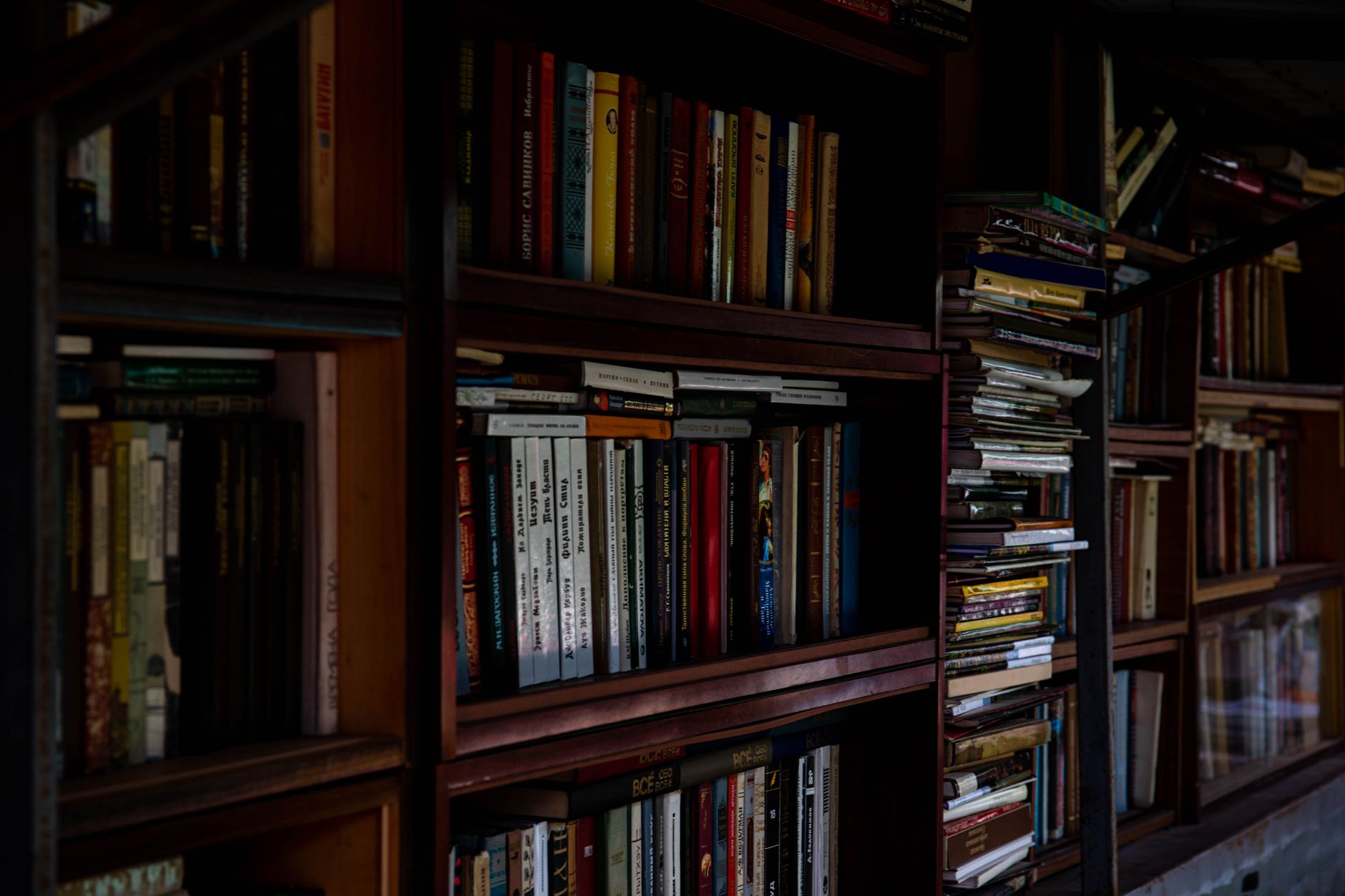
    Candlelit underground library with leather chairs and old books — evoking the world of the best occult thriller novels UK 2026
    Photo by Sergey Meshkov on Pexels

    Mara was the sort of reader who needed a new book the way other people needed a second cup of tea. Her flat in Islington was arranged less around furniture and more around stacks: paperbacks on the stairs, hardbacks beside the bath, a complete shelf of nothing but novels about secret organisations and buried knowledge. She had made her way through half of them convinced that real secret societies were simply men in bad waistcoats performing handshakes. She was about to learn otherwise.

    The building in Clerkenwell had no nameplate. A single lamp burned above the door. She knocked twice and waited. The woman who answered was perhaps sixty, with silver hair pinned severely back and eyes that reminded Mara of deep water. “You read the invitation carefully,” the woman said. “Good. Most people don’t bother.” She stepped aside.

    What the society kept on its shelves

    The room below, reached via a staircase that felt three times longer than it should, was lined floor to ceiling with books. Not decorative books. Read books: cracked spines, margin notes visible from across the room, pages soft with handling. A fire burned low. Seven chairs formed a circle. Three were already occupied by people who did not look up when Mara entered.

    “We read one book per month,” the silver-haired woman explained, settling into her chair. “We discuss it thoroughly. And then we enact it.” She paused. “Within reason.”

    Mara chose a seat and looked at the spine of the book placed on the table beside it. She recognised it immediately: The Name of the Rose by Umberto Eco. A library. A killer. Knowledge so dangerous it was kept locked away. She thought of the stories she’d read on The Plague Doctor’s Notebook, those dark histories where the past reached forward with cold hands. This felt like that. Precisely like that.

    “What does ‘enact’ mean?” she asked.

    Nobody answered. The fire crackled. Someone poured tea.

    The best occult thriller novels UK 2026 readers should know

    Whether or not Mara made it out of that basement is between her and the Society. What I can tell you is that the books on those shelves were real, and the best of them are available in the UK right now. If you want to understand what secret societies and occult thrillers do at their best, that specific sensation of knowing something is wrong before you can name what it is, here is where to start.

    The Covenant of Ash by M.J. Aiken (Hodder & Stoughton, 2026) is the novel I keep pressing into people’s hands. A disgraced archivist at a London university discovers that a Victorian academic society never actually dissolved; it simply went underground. Aiken writes with the kind of controlled dread that makes you reread the previous page wondering what you missed. The Guardian’s Books desk called it “the thinking person’s Da Vinci Code”, which is both fair and slightly reductive. It is better than that.

    Black Rite by Sadie Hennessey (Faber, 2026) works the opposite angle: it puts you inside the society rather than chasing it. The narrator joins what appears to be a women’s reading circle in Edinburgh, only to find the texts they study are instructions rather than entertainment. Hennessey’s prose has a hypnotic quality that is either brilliant or deeply unsettling depending on your constitution. I’d say both. It belongs on the same shelf as the best witchy fiction doing the rounds at the moment, though it is considerably darker.

    The Outer Lodge by Daniel Crowe (Penguin, 2026) is the pulp entry and none the worse for it. A journalist investigating a Masonic murder in Bristol finds that the truth reaches back to a seventeenth-century alchemist and forward to a current government minister. It moves fast, hits hard, and the twist involving the lodge’s librarian is genuinely shocking. Crowe knows exactly what he is doing and does it with relish.

    For readers who want something with more literary weight, The Illuminated Hour by Priya Nair (Bloomsbury, 2026) is exceptional. Set partly in present-day Manchester and partly in 1920s Paris, it traces a single grimoire as it passes between owners across a century, each one changed by possession of it. Nair is not interested in easy answers about whether the book has genuine power; the ambiguity is the point and it lingers long after the last page. I’ve seen comparisons made to Donna Tartt’s The Secret History, and for once the comparison holds.

    Rounding things out: Occam’s Blade by T.S. Fellowes (Headline, 2026), a fast and clever thriller in which a sceptic hired to debunk a secret society gradually loses her scepticism. It has the satisfying structure of a locked-room mystery wrapped around something genuinely eerie. If you enjoy fiction that plays with isolated settings and hidden truths, you might also want to revisit our piece on the best isolated setting horror novels, which covers some of the same psychological territory.

    Back in the basement in Clerkenwell

    The tea, Mara noticed, had gone cold without her touching it. She had been reading. The copy of Eco she’d found beside her chair had a loose page tucked inside the front cover, handwritten, in that same burgundy ink. It was a list of names. Twelve of them. Below the last name, a gap, and then hers, written as though it had always been there.

    “When did you write this?” she asked the silver-haired woman.

    “We didn’t write it,” the woman said. “We found it. In the book. Every month, the book tells us who to invite next.” She smiled, and the smile did not reach her eyes. “You were very highly recommended.”

    Mara set the book down carefully, the way you set something down when you suspect it might bite. She looked around at the others in the circle. None of them had moved. None of them, she realised, had blinked in quite some time.

    “I should go,” she said.

    “Of course,” said the woman. “The door is where you left it.” A pause. “Though you’ll find you want to come back. They always do. Next month we’re reading The Illuminated Hour.”

    Mara left. She walked quickly. She did not look back.

    She ordered The Illuminated Hour online before she reached the end of the street.

    Frequently Asked Questions

    What are the best occult thriller novels available in the UK in 2026?

    Strong picks for 2026 include M.J. Aiken’s The Covenant of Ash (Hodder & Stoughton), Sadie Hennessey’s Black Rite (Faber), and Priya Nair’s The Illuminated Hour (Bloomsbury). Each takes a different angle on secret societies and forbidden knowledge, from literary horror to fast-paced genre thriller.

    What makes a good secret society thriller?

    The best secret society thrillers build dread through information the reader suspects but cannot confirm. They work when the conspiracy feels plausible rather than cartoonish, and when the protagonist’s curiosity is believably stronger than their self-preservation instinct, which is both their flaw and ours.

    Are occult thrillers the same as horror novels?

    Not exactly. Occult thrillers tend to maintain ambiguity about whether the supernatural is real, using it as a source of tension rather than outright terror. Horror commits to the monster. The best books in this list, particularly The Illuminated Hour, sit deliberately in between, which is often where the most interesting fiction lives.

  • The Cartographer’s Daughter: A Short Story and Review of the Best Portal Fantasy and Dark Fantasy Novels for UK Readers in 2026

    The Cartographer’s Daughter: A Short Story and Review of the Best Portal Fantasy and Dark Fantasy Novels for UK Readers in 2026

    My mother died in February, in the coldest part of winter, with ink on her fingers. She always had ink on her fingers. I used to think it was just a habit of her trade, the same way a baker smells of bread or a gardener carries soil under their nails. It was only after I found the maps in the locked drawer of her study that I understood the ink was evidence of something else entirely.

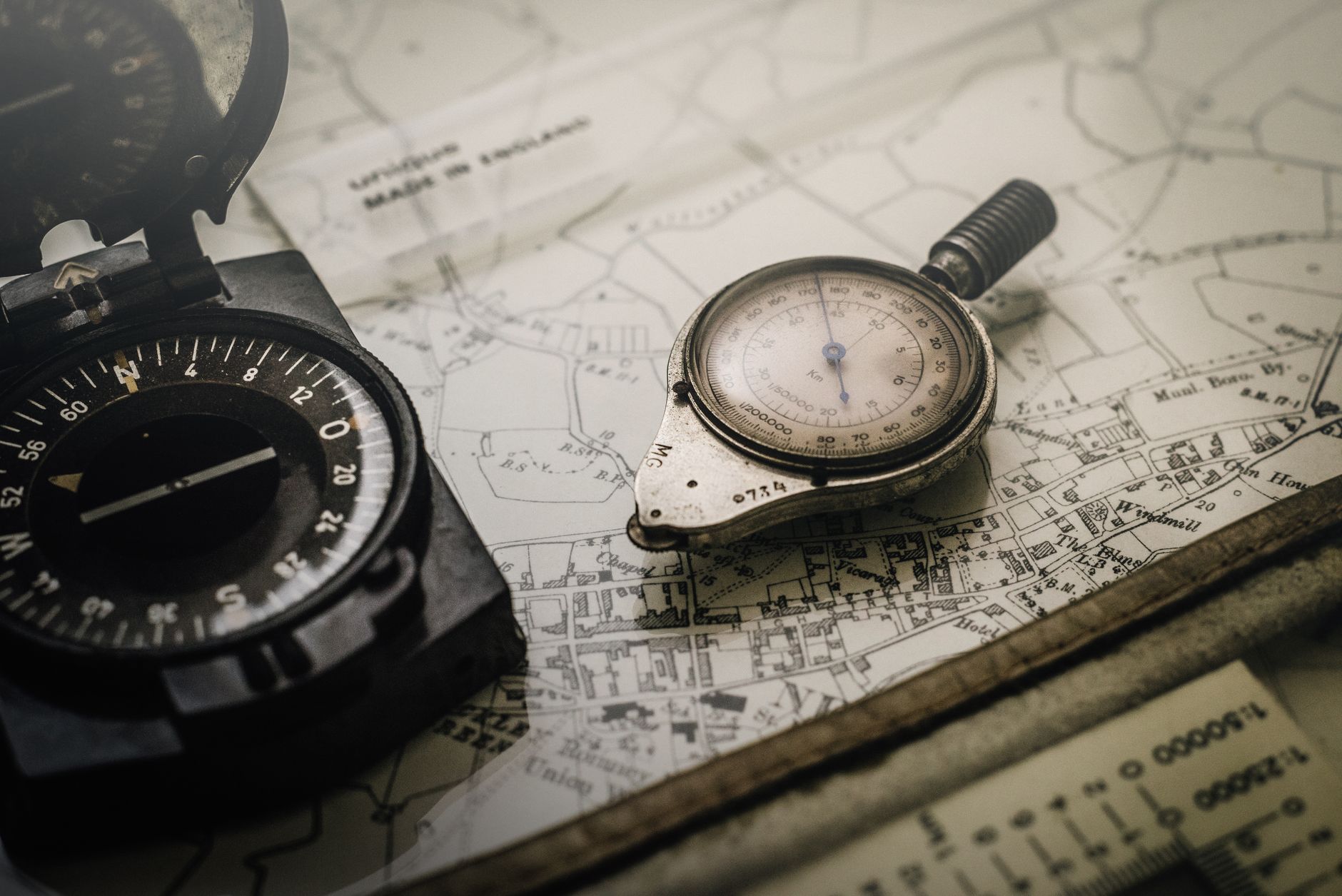
    Aged hand-drawn maps spread across a candlelit desk, evoking the best portal fantasy dark fantasy novels UK 2026
    Photo by Alex Andrews on Pexels

    The drawer was small, cedar-lined, smelling of old paper and something faintly metallic, like copper coins left in rain. There were fourteen maps inside. I spread them across her desk in the order I found them, and that is when the trouble began. Because I recognised the coastlines on some of them. Britain’s west edge, the particular jag of Wales, the Hebrides scattered like punctuation. But the interiors were wrong. Mountain ranges that do not exist. Cities named in no language I could read. A sea called, in my mother’s careful hand, The Listening Deep. She had been a cartographer for the Ordnance Survey for thirty-one years. She knew every contour of these islands better than most people know their own faces. She had not made errors. She had never, in her entire career, made errors.

    I rolled the first map carefully and put it in my bag. I took the train from Edinburgh to London without quite knowing why. And somewhere past Berwick, watching the North Sea flicker grey and restless outside the window, I felt the quality of the light change. Not the weather. The light itself. As though whatever was outside the glass was not quite the same world I had boarded the train in.

    Maps to places that should not exist

    The second map led me off the Piccadilly line at a station that does not appear on any Transport for London schematic I have since been able to find. The platform was tiled in deep green, like the inside of a bottle. There was nobody else there. At the far end, past a sign that read Interchange in that same unreadable script, a door stood open onto a street I did not recognise. The buildings were tall and leaning, built from stone the colour of old teeth. The sky above them was the bruised, specific purple of the last ten minutes before a proper storm.

    I am not a brave person. I want to be clear about that. I teach secondary school English in Leith. I mark essays about Of Mice and Men and I buy the same brand of oat milk every week and I have not done anything surprising in years. But I walked through the door. Because my mother’s map said to. And because I understood, in the way you sometimes understand things before you can articulate them, that she had been here before. That the ink on her fingers had not come from an office in Southampton or a survey of the Lake District. It had come from here. From wherever this was.

    I thought about this a great deal later, back in my flat with a cup of tea going cold beside me, when I picked up V.E. Schwab’s A Darker Shade of Magic from the pile beside my reading chair. It is not a new book, but it is newly relevant to me in a way I cannot entirely explain. Schwab’s London, the one with magic threaded through it, the one that exists alongside and hidden from the mundane city most people inhabit, felt suddenly less like metaphor. Portal fantasy has always worked like that for the best readers: it uses the impossible door as a way of talking about the real one, the one in your chest that opens when grief hits, or wonder, or terror.

    The best portal fantasy dark fantasy novels UK 2026 has seen published are doing exactly this. They are not escapist in the dismissive sense; they are investigative. They use secondary worlds to ask what the primary one is actually made of.

    The best portal fantasy and dark fantasy novels worth reading right now

    Shelley Parker-Chan’s She Who Became the Sun is available widely in the UK and remains one of the most psychologically complex pieces of secondary world dark fantasy I have read in years. It builds a world from the bones of 14th-century China but makes no claim to historical accuracy; it is interested in power, identity, and what we become when survival demands we abandon who we were. I think my mother would have read it and underlined things in pencil, the way she always did with books that unsettled her productively.

    For readers who want portal fantasy with a colder, more folkloric English edge, T. Kingfisher’s work deserves serious attention. A House With Good Bones and Thornhedge are both available through UK booksellers, and Kingfisher has a gift for making the familiar landscape, the home, the hedgerow, the quiet village, feel genuinely threatening without resorting to cheap shocks. Her secondary worlds press up against our own. You sense them behind the wallpaper. This is the kind of writing that would sit well alongside our piece on the best witchy fantasy books, where folkloric unease runs through every recommendation.

    Mariana Enriquez, the Argentine writer whose work has been translated and published in the UK by Granta, writes secondary worlds made of dread. Our Share of Night won the International Booker Prize and earned it. If you have not read it, I would describe it as a portal fantasy where the portal is a human body and what is on the other side is something very old and not at all interested in human welfare. It is brutal, beautiful, and completely unlike anything else I can name. Granta Books lists it as available in paperback across the UK.

    For those who prefer their portal fantasy to carry the weight of mythology, Silvia Moreno-Garcia’s The Daughter of Doctor Moreau and Gods of Jade and Shadow are both in print and easy to find on the high street. Moreno-Garcia builds secondary worlds from the collision of historical periods and mythological systems; her books feel researched and dreamlike simultaneously. I have written before about mythology-retelling fiction, and if that thread interests you, our piece on the best mythology-retelling novels publishing in the UK in 2026 goes deep on exactly this territory.

    For something recent and British, Kiran Millwood Hargrave’s adult fiction, particularly The Dance Tree, shows a writer with a genuine instinct for historical dread and altered states of reality. Her work is published by Picador and consistently appears in Waterstones and independent bookshops. She does not write strict portal fantasy, but the worlds her characters inhabit have that particular shimmer, the sense that the real rules are not the ones anyone has written down.

    The Bookseller tracks UK publishing trends closely, and the pattern this year is clear: dark fantasy with world-building ambition is selling. Readers want secondary worlds that are genuinely strange, not just medieval Europe with the serial numbers filed off.

    What the maps were really for

    I went back to Edinburgh. I spread all fourteen maps across my mother’s desk again, in the same order. The fourteenth map was the one I had not looked at properly; I had assumed it was blank. It was not blank. In the centre, in my mother’s handwriting, was a single sentence. The door only opens for those who know they are lost.

    I think she found the door herself, years before I was born. I think the maps were instructions, left in the order they were left, so that I would find it too. I think she understood, as the writers of the best portal fantasy dark fantasy novels UK readers are picking up this year also understand, that secondary worlds do not replace the primary one. They explain it. They make the grief, the wonder, the terror, legible.

    I have put the maps back in the cedar drawer. I am not ready. But I know where the drawer is, and I know what the key looks like, and I have been marking my students’ essays on Narnia with a different kind of attention lately. For readers who connect to the idea that books themselves become a kind of portal, our earlier piece on grief, healing, and the books that saved me might feel very close to home. And if dark, isolated settings are what you are drawn to, the isolated horror fiction I reviewed in the island keeps its secrets covers that same liminal, wrong-geography dread in a different register entirely.

    The door is there. The best books prop it open just a crack. You can feel the draught from the other side if you sit quietly enough with the right pages in your hands.

    Frequently Asked Questions

    What is portal fantasy and how is it different from secondary world fantasy?

    Portal fantasy follows characters who travel from our world into another through a door, mirror, wardrobe, or similar device. Secondary world fantasy takes place entirely in a world that is not our own, with no connection to Earth. Many dark fantasy novels blend both, using the portal as a narrative and emotional device rather than just a plot mechanism.

    Which portal fantasy or dark fantasy novels can I buy in the UK right now?

    V.E. Schwab’s A Darker Shade of Magic, Mariana Enriquez’s Our Share of Night (published by Granta), Silvia Moreno-Garcia’s Gods of Jade and Shadow, and T. Kingfisher’s Thornhedge are all available through Waterstones, independent bookshops, and major UK online retailers. Most are in paperback at standard UK prices.

    Is dark fantasy suitable for readers who do not usually read fantasy?

    Dark fantasy tends to appeal to readers who love literary fiction or psychological horror as much as genre fantasy. Writers like Mariana Enriquez and Shelley Parker-Chan prioritise character depth and thematic weight, so readers who might avoid high fantasy often find dark fantasy very accessible and genuinely affecting.

    What makes a good secondary world in dark fantasy?

    The best secondary worlds feel internally consistent and strange at the same time. They have their own logic, history, and rules, but those rules create genuine unease rather than comfort. The most effective dark fantasy worlds press on the reader’s sense of what is real, which is why the genre so often produces writing that resonates long after the book is finished.

  • The Island Keeps Its Secrets: A Short Story and Review of the Best Isolated Setting Horror and Suspense Novels for UK Readers in 2026

    The Island Keeps Its Secrets: A Short Story and Review of the Best Isolated Setting Horror and Suspense Novels for UK Readers in 2026

    The ferry was supposed to leave at half seven. Mira had watched the harbour from her window, mug cooling in her hands, waiting for the engine’s low groan to break the silence. It hadn’t come. The harbour was flat. The sky was the colour of a bruise.

    She’d been on Caill Isle for three days now, following a booking she’d made in October when the idea of a remote Scottish island cottage had seemed romantic. Restorative. The kind of place where you could write, or think, or simply stop. What she hadn’t expected was the stillness. Not peaceful stillness. The other kind. The kind that presses against the glass.

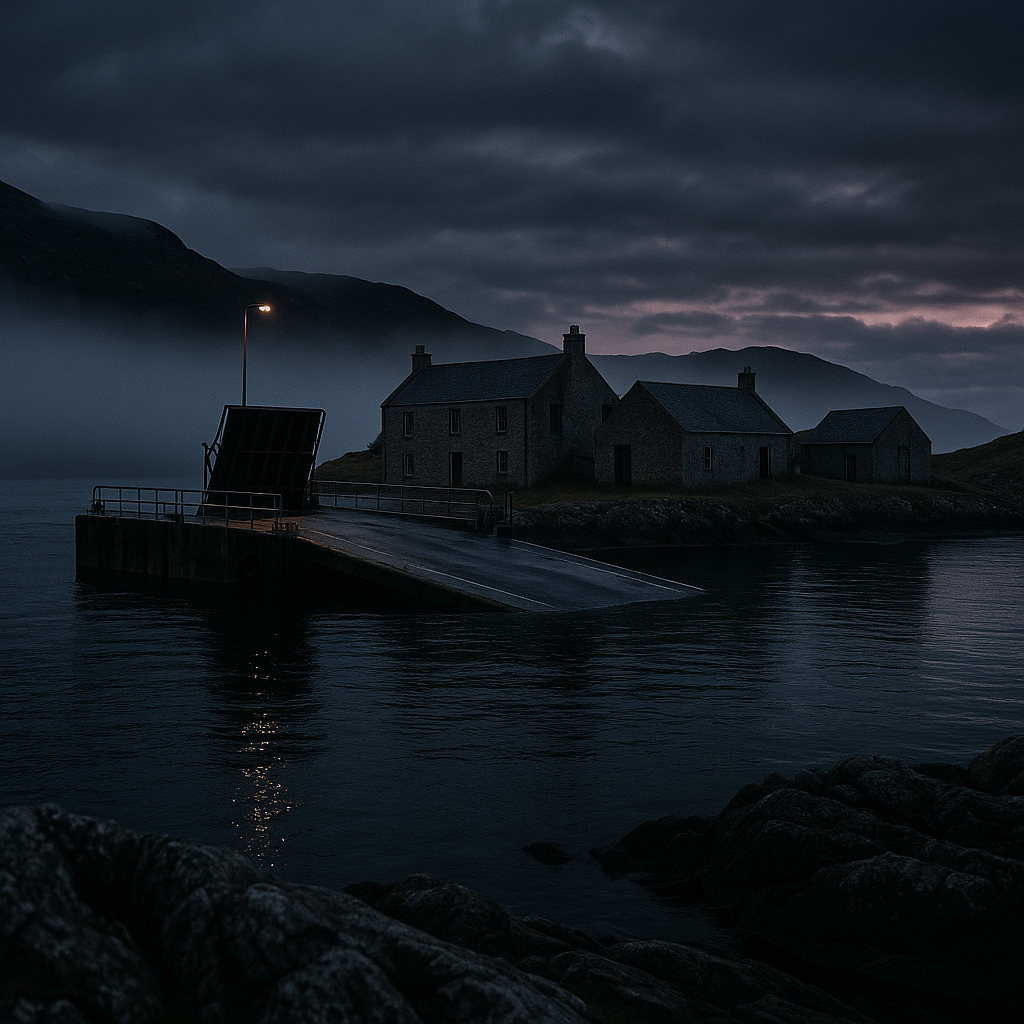
    Empty Scottish island harbour at dawn with no ferry, evoking the atmosphere of the best isolated setting horror novels UK 2026

    The woman at the post office had told her the ferry service was suspended. “Weather,” she’d said, though the sky that morning had been clear enough. The fishermen down at the slipway had not looked up when Mira walked past. The man who ran the only pub had pulled his door to before she could catch his eye. And her mobile had given up entirely on signal sometime around Tuesday, which meant that the book she’d downloaded before leaving the mainland, a locked-room thriller she’d been saving, was now her only real company.

    It occurred to her that she’d read enough of the best historical horror novels to know exactly what kind of story this was beginning to resemble. That thought was not as comforting as she’d hoped.

    What the bookshelf at the cottage held

    The cottage came furnished with a bookshelf. Most of its contents were damp-swelled paperbacks with the spines read white, the sort of thing visitors leave behind because they can’t be bothered carrying them home. But buried behind a dictionary and something about birdwatching on the Orkney archipelago, Mira found three novels that felt almost curated. Almost deliberate. She read them in order, one per sleepless night, and by the third morning she was no longer certain whether the terror she felt came from the pages or from outside the window.

    She’d always believed, as she’d written somewhere in the margins of an old notebook, that the best horror doesn’t need a monster. It needs a place. An enclosed, inescapable place, where the rules you arrived with quietly stop applying.

    The best isolated setting horror novels UK 2026, a proper read-if-you-dare list

    If you’re looking for the best isolated setting horror novels UK 2026 has to offer, the common thread across all of them is geography as dread. Islands, lighthouses, moorland, fog-locked valleys. The setting isn’t backdrop. It’s the mechanism.

    The Salt Keeper by Catriona Haig (Hodder & Stoughton, January 2026) opens with a marine biologist arriving on a fictional island off the Outer Hebrides to catalogue a newly discovered seal colony. Within a fortnight, the colony is gone, two islanders have stopped speaking entirely, and the protagonist has begun finding drawings she doesn’t remember making. Haig writes landscape the way a surgeon works: precise, bloodless, then suddenly not. The island in this novel is never named, which is exactly right. A name would make it manageable.

    Moor House by Daniel Pryce (Titan Books, March 2026) takes place across forty-eight hours on the North York Moors, in a former farmhouse that a family has rented for a long weekend. The roads flood on Friday evening. The novel proceeds in real time. Pryce is particularly good at the specific horror of ordinary domestic spaces becoming wrong: a light that won’t stay off, a room that smells different at night, a child who begins asking questions about the previous tenants with a precision she shouldn’t possess. If you’ve ever read the kind of fiction that works on grief and quiet unease simultaneously, Moor House belongs in that conversation.

    The Wickham Light by Saoirse Devlin (Transworld, May 2026) is the year’s most formally inventive entry in the genre. Told through the maintenance logs of a fictional lighthouse off the Pembrokeshire coast, cross-referenced with letters written to a sister on the mainland, it builds dread so gradually that you don’t notice the temperature dropping until you’re already cold. The lighthouse keeper’s prose grows shorter as the novel progresses. By the final third, whole days are recorded in single sentences. Then half-sentences. Then marks on the page that aren’t quite words at all. The BBC Culture’s long-running examination of what makes literary horror actually frightening would find Devlin a useful case study: she answers the question through structure alone.

    The Congregation at Kilmore by Andrew Speight (Bloomsbury, July 2026) is slightly different in texture. Set on a fictional island in the Inner Hebrides, it follows a disgraced Church of England vicar sent to cover a remote parish for the summer, only to find that the congregation holds services nobody has officially sanctioned and that the churchyard is considerably more active than churchyards are supposed to be. Speight has a dark wit that cuts through the fog in ways that make you laugh precisely when you shouldn’t. Think of it as the kind of book where you read a sentence, pause, and then read it again to make sure it said what you think it said.

    No Signal by Priya Arora (Pan Macmillan, September 2026) is the most contemporary of the five, and the most visceral. A group of true-crime podcasters travel to a remote Shetland island to investigate a disappearance from the 1970s. Their equipment fails. Their group chat goes quiet. And the locals, when they can be found at all, seem to remember the 1970s event rather too clearly for people who were not alive then. Arora’s prose is terse and undecorated, which means the horror, when it lands, lands with full force. If the claustrophobic-community-keeping-secrets subgenre is your particular weakness, as it is mine, this one will cost you sleep.

    Why isolation works so well in horror fiction

    There’s something specific about island and moorland horror that mainland-set fiction can’t quite replicate. The reader knows, on some level, that an exit exists. That somewhere beyond the page there is a motorway, a Tesco, a mobile signal. Isolated setting horror removes that comfort entirely. The characters cannot leave. The reader, by extension, cannot leave either. You’re stuck in it together.

    The writers doing this best in 2026 are also the ones interrogating community as a source of menace. The villagers who stop speaking. The pub that closes early. The ferry that doesn’t come. These novels understand that the most frightening thing isn’t the creature in the dark. It’s the neighbours who know something you don’t, and have decided not to tell you.

    For readers who have already explored the folk horror territory of witchy fantasy fiction, these isolated setting suspense novels sit in adjacent but distinct territory: less magic, more menace, and geography doing the heavy lifting that spells might otherwise provide.

    Back on Caill Isle

    On the fourth morning, Mira woke to the sound of the ferry. She dressed quickly, grabbed her bag, and was at the harbour in seven minutes. The boat was real. The skipper nodded at her without expression. She climbed aboard and did not look back at the island.

    She finished No Signal on the crossing back to the mainland. She read the last page as the harbour came into view, set the book face down on the bench beside her, and stared at the water for a long time.

    Some books make you glad to be going home. Some make you wonder whether home is the sort of place that will hold you. The best isolated setting horror novels UK 2026 has produced manage, somehow, to do both at once.

  • The Plague Doctor’s Notebook: A Short Story and Review of the Best Historical Horror Novels Set Across Britain and Europe

    The Plague Doctor’s Notebook: A Short Story and Review of the Best Historical Horror Novels Set Across Britain and Europe

    The notebook was bound in leather so old it had turned black. I found it wedged behind a loose brick in a cellar off Aldgate, during a renovation that probably should have been left undone. The handwriting inside was cramped, precise, and utterly cold. What followed was not a diary. It was something else entirely.

    A plague doctor in a beaked mask standing in a foggy medieval London street, evoking the atmosphere of the best historical horror novels UK readers explore

    From the notebook: London, 1349

    I move through the streets before dawn, because the streets are easier to bear before dawn. The birds have not yet learnt to avoid certain doorways. The dogs have not yet learnt either, but the dogs are fewer now. I wear the mask. The beak holds dried rosemary, cloves, camphor, a hedge against the pestilential air, or so we were taught. I have begun to doubt the teaching.

    Bishopsgate this morning. A wool merchant and his two apprentices. I make the notations. I do not linger. There is a particular silence in a house where everyone has died within the same fortnight, a silence that is somehow louder than noise. You feel it in the chest before you hear it with the ears.

    Brother Anselm at the priory says God is speaking. I told him I had not heard anything of the sort. He did not invite me back for supper.

    The Thames smells of things I will not write. I walk west along it anyway, because the records must be kept. Somebody must count the dead, even if nobody reads the count. Perhaps especially then.

    The best historical horror novels UK readers should have in their hands right now

    Horror and history are a natural pairing. Put human beings under enough pressure, strip away everything modern comfort pretends is permanent, and what remains is genuinely frightening. The best historical horror novels UK publishers have brought out recently understand this. They are not dressed-up ghost stories with a period costume bolted on. They are books that use the past as the pressure chamber it actually was.

    Here are the ones worth your time.

    The Book of the Unnamed Midwife by Meg Elison

    Technically post-apocalyptic, but the texture is deeply medieval in spirit, a world stripped back to survival and fear, narrated by a woman moving through ruins. Elison’s prose has the same cold precision I imagined in that plague doctor’s notebook. The horror here is systemic and intimate simultaneously. It has won awards quietly and deserves a wider UK readership.

    The Plague Stones by James Brogden

    This one is set in Birmingham and directly concerns the Black Death’s long reach into the present day. Brogden is one of the more interesting writers working in British folk horror right now, and this novel is probably his tightest. A family moves to a village that was granted immunity from plague through a dark covenant. The covenant, naturally, still holds. The atmosphere is genuinely oppressive in a way that feels earned rather than manufactured.

    The House of the Dead by Simon Sebag Montefiore

    Montefiore is better known for his non-fiction history, but this novel draws on his deep knowledge of tsarist Russia to produce something that reads like a fever dream set in a frozen empire. The horror is political as much as supernatural, and all the more unsettling for it. If you enjoy books that make you feel the cold, this is the one.

    The Familiars by Stacey Halls

    Set in Lancashire in 1612 around the Pendle witch trials, this is more gothic suspense than outright horror, but it belongs in this conversation firmly. Halls researched the actual trial records held at The National Archives, and that rootedness in fact gives the dread an unusual weight. What happened to those women was real. The novel does not let you forget it. Readers who enjoyed our short story exploring the best witchy fantasy books will find The Familiars a darker, more grounded companion.

    The Long Drop by Denise Mina

    Glasgow, 1957. A murderer, a city, and a trial that never quite made sense. Mina’s historical crime horror is meticulous in its period reconstruction and deeply uncomfortable in its implications about how cities absorb violence. The horror here is not supernatural but it is not lesser for that. The atmosphere of post-war Glasgow is rendered with a specificity that feels almost archaeological.

    Dracula by Bram Stoker

    Yes, it is 1897, and yes, you have probably heard of it. But Stoker’s novel earns its place in any serious list of the best historical horror novels UK readers can find, because reading it now is reading a document of its era as much as a story. The anxieties about immigration, disease, foreign contamination, the body as a site of violation, it is all there, and it lands differently once you have spent any time thinking about plague. Penguin Classics published a new annotated edition recently with contextual notes that genuinely add to the experience.

    Back to the notebook: a few more entries

    The plague doctor’s handwriting changes around the middle of the notebook. Becomes less regular. The entries grow shorter.

    22nd day. Found a child alive in a house on Cheapside. She was sitting beside her mother, who had been dead some days. The child was unaffected. I have no explanation. I wrote it down anyway.

    29th day. My own hands are steady. I do not know if this is fortunate.

    38th day. The city counts its dead in the thousands now. I have stopped counting individually. The individual count becomes its own kind of madness.

    The final entry is simply a date. Nothing after it. Whether that means he stopped writing, or stopped entirely, the notebook does not say.

    Why historical horror hits differently

    There is something specific about reading horror set in the past. The distance should make it safer. It does not. If anything, knowing that real people lived through the events being fictionalised makes the dread more textured. The Black Death killed roughly half of England’s population between 1348 and 1350, according to BBC History. That number, when you sit with it, is not an abstract statistic. It is a village where every other door stayed closed.

    The best historical horror novels take that weight seriously. They do not use period settings as wallpaper. The setting is the argument. The past was not quaint. It was brutal, strange, and frequently terrifying, and fiction that remembers this does something that straightforward history writing often cannot: it makes you feel it.

    Readers who enjoyed our exploration of mythology-retelling novels publishing in the UK will notice a similar thread running through the best historical horror, a need to return to old stories and find the blood still wet in them. And for those who found something in the atmosphere of Madeline Miller’s Circe, several of the titles above offer that same quality of deep time, of a world before the present arrangements were made.

    The notebook is back behind the brick. I put it there myself. Some things are better kept in the dark, close to the ground, where they belong.

    Frequently Asked Questions

    What are the best historical horror novels set in the UK?

    Strong choices include The Plague Stones by James Brogden, set partly in Birmingham, and The Familiars by Stacey Halls, set in Lancashire during the 1612 Pendle witch trials. Both use real British history as their foundation, which gives the horror genuine weight.

    Are there good historical horror novels set in medieval Europe?

    Bram Stoker’s Dracula engages with late-Victorian anxieties that echo medieval fears of pestilence and contamination, and remains one of the most richly historical horror novels available. For a more directly medieval setting, look into Umberto Eco’s The Name of the Rose, which leans into monastery-set dread.

    What is folk horror and how does it relate to historical horror?

    Folk horror is a subgenre rooted in rural British tradition, pagan ritual, and the uncanny power of the land. It overlaps heavily with historical horror because many of its most powerful settings are pre-industrial. James Brogden’s work is a good entry point for UK readers.

    Is The Familiars by Stacey Halls a true horror novel or more of a thriller?

    The Familiars sits on the border between gothic suspense and historical horror. It is based on the real 1612 Pendle witch trials and builds dread through atmosphere and period detail rather than supernatural set-pieces. Readers who prefer psychological menace over gore will enjoy it.

    Where can I find more UK-focused horror and dark fiction recommendations?

    The Dungeon Bookshop regularly publishes reviews and short fiction covering dark fantasy, spooky historical fiction, and gothic literature with a particular interest in British and European settings. Browse the Books and Spooky categories for more recommendations.