

The invitation arrived on a Thursday, written in a hand so precise it looked engraved rather than penned. The Surgeon’s Private Collection. Viewing by appointment only. Bring an open mind and a steady stomach. I folded it twice and tucked it into my coat pocket. I should have left it there.
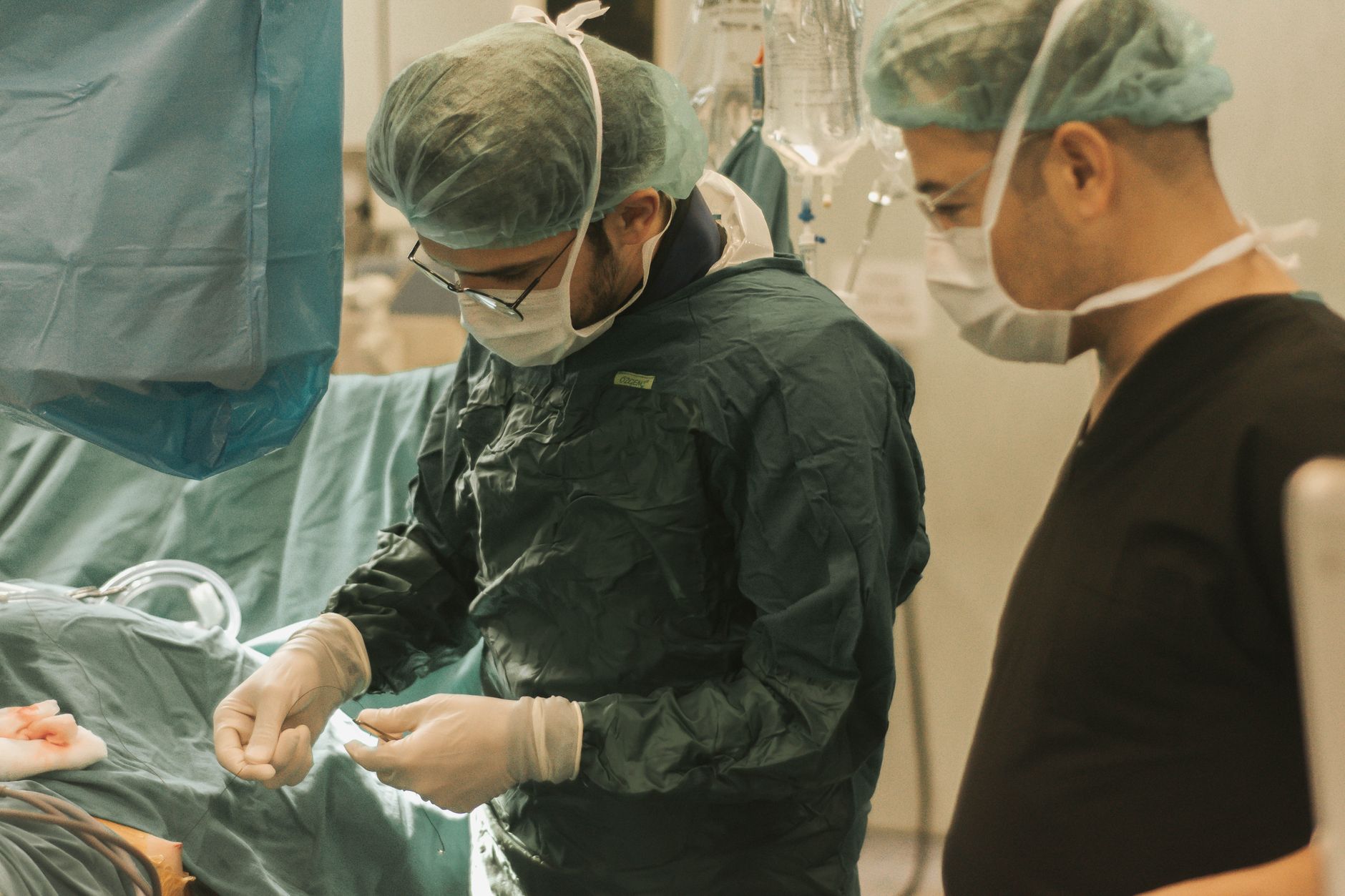
The theatre was older than I had expected. Three flights up a staircase that smelled of carbolic soap and something underneath that, something warm and ferrous, like old pennies. The amphitheatre itself curved in pale stone tiers around a central table, lit from above by a glass roof through which the grey October sky pressed down like a thumb on a bruise. On the table: a leather satchel. Behind the table: no one at all.
I sat in the front row. The satchel opened on its own.
I’ve been drawn to body horror as a literary form for years, long before it became the subject of serious critical discussion. There is something uniquely honest about fiction that locates dread in the flesh itself, not in what lurks outside us, but in the rebellion of the body we inhabit. The best body horror novels do not ask you to be afraid of monsters. They ask you to be afraid of yourself.
What the subgenre actually is (and why it matters now)
Body horror, at its core, uses physical transformation, deterioration, or violation as its primary source of terror. It has always existed at the fringes, Kafka’s The Metamorphosis, Poe’s medical grotesques, the surgery-horror of early twentieth-century pulps, but the last decade has seen it move decisively into literary respectability. Publishers including Bloomsbury, Faber, and Titan Books have all released titles that reviewers in The Guardian’s books section and the Times Literary Supplement have engaged with seriously, not as genre curiosities but as fiction worth reckoning with on its own terms.
The surgeon’s satchel contained, improbably, books.
Each one was marked with a small red tab, like a specimen tag. I opened the first.
The best body horror novels UK readers can find in 2026
Carmen Maria Machado’s In the Dream House is not body horror in the strictest sense, but it belongs to any serious reading of the subgenre because of how it handles the body as a site of memory and damage. Published by Serpent’s Tail, it remains one of the most formally inventive books of recent years. If you’ve already worked through the oneiric unease of the best surrealist and dream-logic horror novels, Machado’s memoir is a natural companion, it uses genre conventions to make real violence legible in a way that conventional memoir cannot.
Paul Tremblay’s A Head Full of Ghosts (published in the UK by Titan Books) operates at the boundary between possession narrative and psychological body horror. The body here is a contested territory, claimed by forces the novel refuses to definitively identify. Tremblay is meticulous about not letting you settle. I’d argue it’s one of the better American body horror imports precisely because it resists the easy catharsis most mainstream horror allows.
Alison Moore’s The Lighthouse is quieter but no less disturbing, a British novel that lodges physical discomfort under the skin like a splinter, working through repetition and domestic claustrophobia. Moore is criminally underread in the UK. If coastal unease and physical unravelling interest you, you may also want to explore the best maritime horror and coastal gothic novels for UK readers, which covers adjacent territory.
Kathe Koja’s The Cipher has recently been reissued and is now properly available in the UK through specialist genre retailers. Koja’s prose is abrasive by design, short, splintered sentences that accumulate physical texture the way scar tissue does. A hole in a floor consumes everything in its orbit, including the narrator’s body. It is one of the purest expressions of body horror as a form, and I was surprised by how fresh it reads.
Stephen Graham Jones’s The Only Good Indians (Titan Books UK) does something genuinely difficult: it makes the body’s vulnerability feel both inevitable and unjust, rooting its horror in the specific weight of historical trauma. Jones has become something of a standard-bearer for literary body horror that carries moral and political seriousness alongside its genuine capacity to disturb. His craft is extraordinary.
Rosie Garland’s The Night Brother, published by Borough Press, is a UK-native body horror novel set in Victorian Manchester that deserves far more attention than it received. A woman shares her body with a brother who only emerges at night; the novel uses this conceit to examine gender, class, and the violence of Victorian medicine with real historical care. Given the subgenre’s proximity to historical horror, readers may also enjoy the best historical horror novels set across Britain and Europe.
Why body horror novels are drawing serious literary attention
The surgeon left a note between the pages of the sixth book. It read: The body was always the argument. Everything else is footnotes.
That is, I think, part of the answer. Body horror novels attract serious literary attention because they engage with questions that literary fiction has always circled: autonomy, identity, the limits of the self, the reliability of embodied experience. The genre frame simply removes the social niceties that allow readers to maintain comfortable distance. A body deteriorating in a horror novel is doing the same work as illness, ageing, addiction, or grief in a literary novel, it is just doing it without the permission structures that make those subjects feel safe.
The critical shift is also generational. A cohort of editors, reviewers, and prize committees that grew up reading horror without embarrassment are now in positions of institutional authority. You can see it in the Booker longlist discussions, in broadsheet literary coverage, in the way university English departments now include genre fiction on syllabuses without requiring apology. The British Library’s horror fiction archive has expanded considerably since 2020, and that institutional attention matters.
What to read if you’re new to the subgenre
Start with Jones or Machado rather than Koja. Koja is brilliant but she assumes a certain familiarity with body horror’s vocabulary; she is not interested in easing you in. Jones and Machado both scaffold their horror carefully enough that readers who find themselves preferring psychological unease over visceral description will not feel stranded.
If you find yourself wanting more after Garland, look for Sarah Hall’s short story collection Madame Zero, also published in the UK, which contains some of the most formally precise body horror writing I’ve read from a British author. Hall is literary enough that the stories appear on A-level and university reading lists, and strange enough that they belong here too.
The satchel was empty by the time I stood to leave. The theatre was colder than it had been. The glass roof above was dark now, I had lost track entirely of time, and the light came from sources I could not identify. On the central table, the leather satchel had gone. In its place: a single specimen jar, sealed, containing something that moved.
I did not open it. I recommend you do not either. Some things are better examined at one remove, through the protective glass of a very good book.
Leave a Reply