

Small music venues across the UK have spent years fighting closure, and the people who feel it first are the working musicians who play them night after night. This week’s story follows one of them, and it comes with a reading list: dark fiction about music, where a guitar, a record or a wall of feedback becomes the way the dead get in.
The story: Feedback at the Corn Exchange Bar
Dennis Harlow had played every sticky-floored room in Manchester, and he knew the Anvil Rooms was dying. The ceiling bled brown water. The green room smelled of damp carpet and old lager. He was hired for the night, a session guitarist for a band he had met at four o’clock, and that suited him fine.
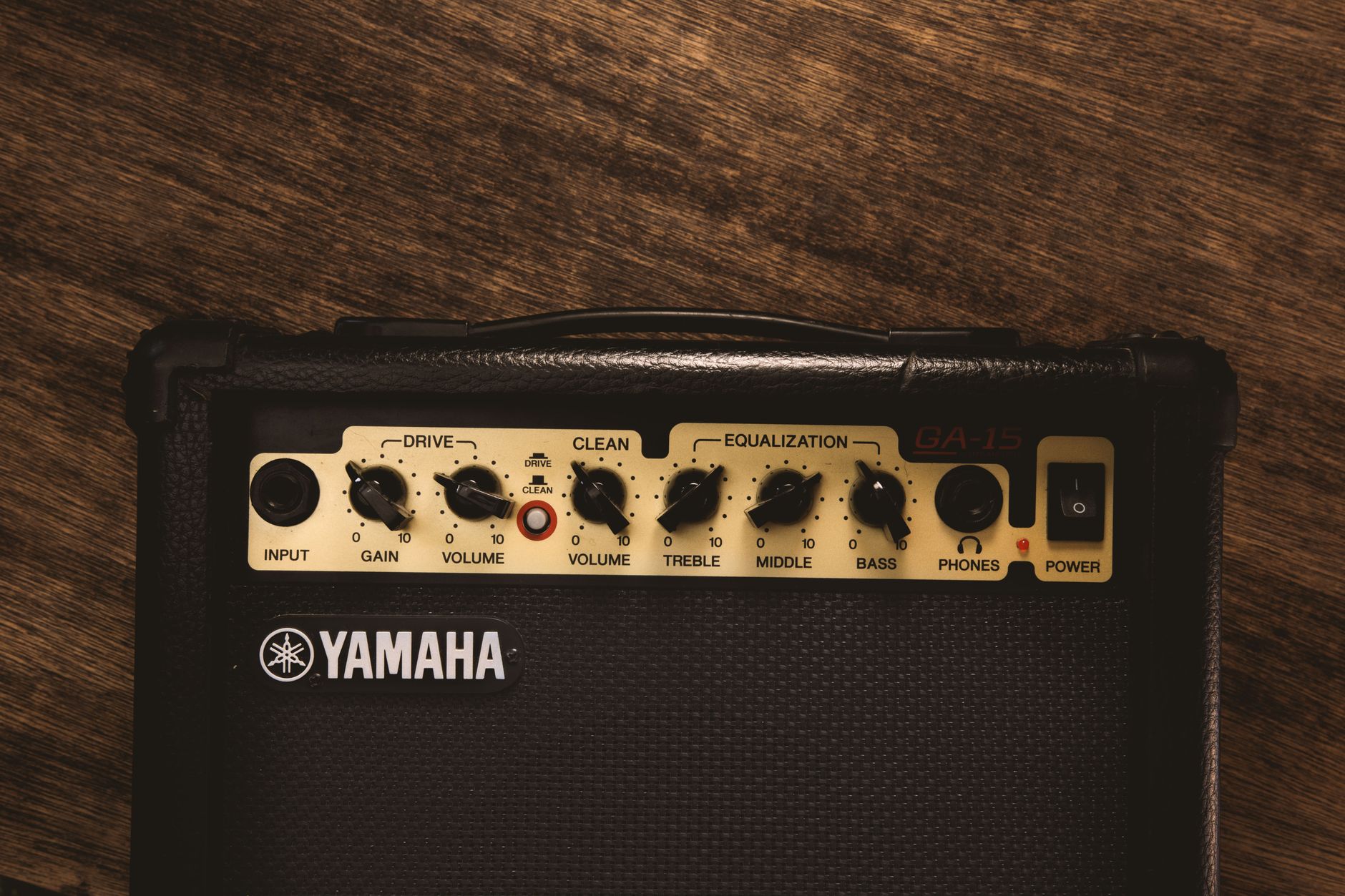
At soundcheck he turned his amp up and let a note hang. The feedback rose in its usual sour whine. Then it flattened into something else. Under the squeal there was a rhythm, and under the rhythm, a voice.
Not there, it said. Further back. Where the stage used to be.
He killed the amp. The bassist was eating crisps and had heard nothing.
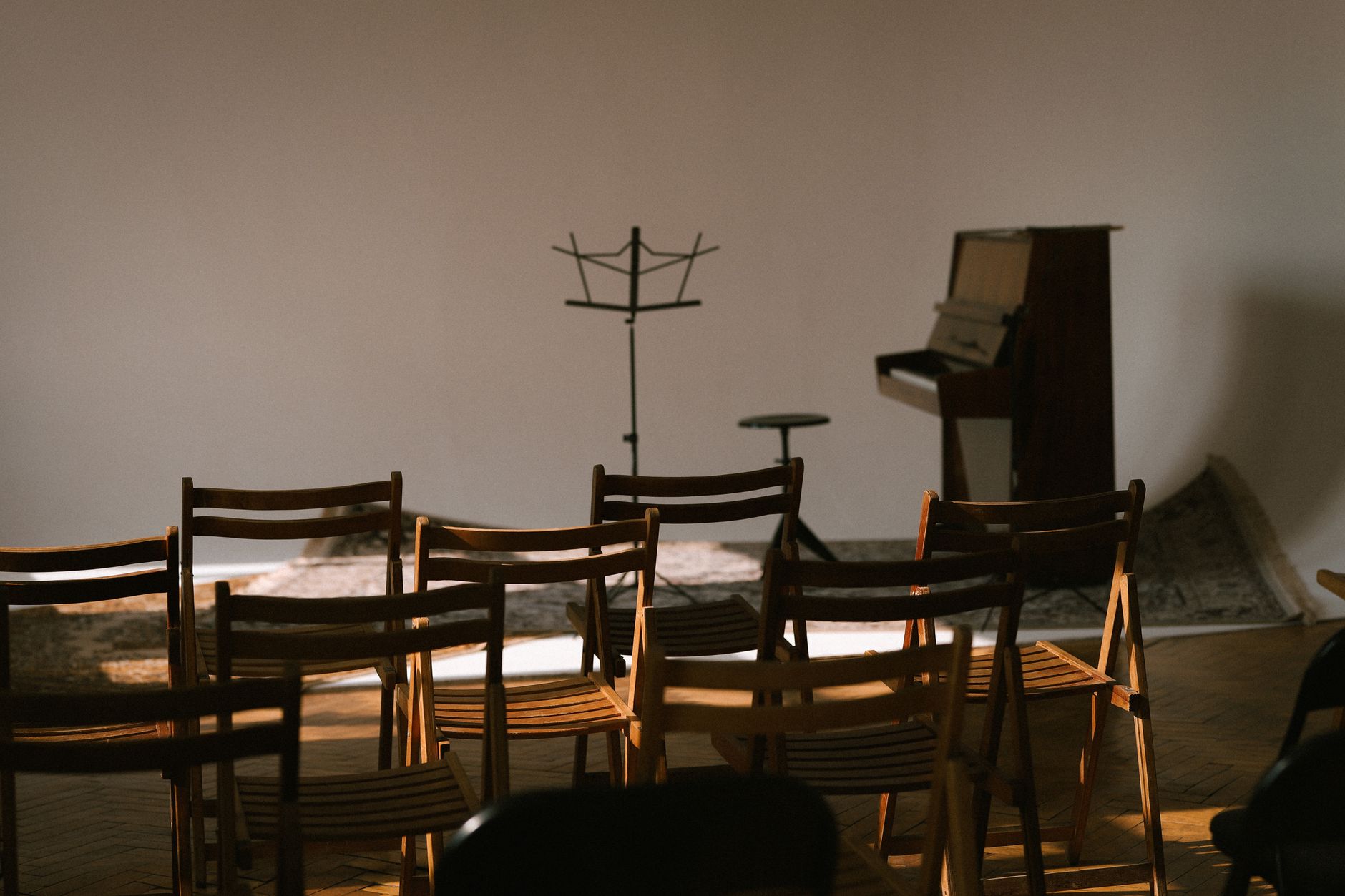
By the second set the voices were plural. He caught a woman counting in, a man laughing, a crowd that wasn’t in the room. Every time Dennis leaned into the feedback they came closer, and they all seemed to want the same thing: for him to keep playing.
The landlord told him afterwards, wiping down the bar, that the original stage had been bricked over decades ago. A fire, he said, in a different decade, a different name over the door. Dennis went and put his palm flat against the wall. It hummed, very faintly, in the key of his open E string.
He should have packed up then. Instead he plugged in, faced the brick, and played the one chord the wall seemed to want. The voices went quiet. Somewhere behind the plaster, someone applauded.
Which horror novels use music as a way in for the supernatural?
Four stand out: H.P. Lovecraft’s "The Music of Erich Zann", Joe Hill’s Heart-Shaped Box, Grady Hendrix’s We Sold Our Souls and Chuck Palahniuk’s Lullaby. Each treats sound as more than atmosphere. It is the mechanism by which something crosses over.
The Music of Erich Zann by H.P. Lovecraft
First published in 1922, this short story has a mute viola player in a garret who plays nightly to keep something at bay. It is the grandfather of every tale where the performance is a defence, and it is short enough to read in one sitting. Dennis’s wall owes it a drink.
Heart-Shaped Box by Joe Hill
An ageing heavy metal star buys a dead man’s suit online and gets a ghost with it. Hill writes the rock-star ego with unsparing humour, then lets the haunting turn cruel. It is the best fit here for readers who want a ghost story with a backstage pass.
We Sold Our Souls by Grady Hendrix
A once-promising metal guitarist discovers that her old band’s fame came at a price, and that the bill is due. Hendrix knows the scene’s rituals, grudges and tour-van squalor, and he plays them for both laughs and dread. It reads fast and hits hard.
Lullaby by Chuck Palahniuk
A short verse that kills whoever hears it, passed through nursery-rhyme anthologies. It is less about rock than about sound as a weapon, which makes it a useful companion to the others. Expect satire and a very dry sense of horror.
Why does sound work so well in horror?
Sound reaches you before you can decide whether to look. Feedback, distortion and low-frequency rumble can be physically uncomfortable, and writers use that to make the supernatural feel bodily rather than visual. A ghost you can hear in an amp needs no description, only a listener who cannot turn away.
It also suits the places music lives. Damp venues, bricked-up stages and rehearsal rooms with egg-box walls are natural haunted houses, and anyone who has loaded a van out of one at 2am already half believes.
Where to go next
If this scene is your thing beyond the page, the real culture is worth exploring. The ritual of collecting records, the arguments over pressings and the gig-going habits all feed these novels. For that side of things, rockclick.co.uk is a handy place to browse rock and metal culture, and a good way to find the bands behind the fiction.
Collecting is itself part of the story right now. Metal fans have been wrestling with delayed pressings and rising costs, which this piece on how UK metal fans handle the vinyl revival covers well. A novel read with a record on makes a decent autumn evening.
For something gentler and more gothic, our review of dark folk and gothic music-themed horror novels picks up where this list leaves off. Start with Lovecraft’s story if you only have an hour tonight, and save Hendrix for the weekend.
Frequently Asked Questions
What is the best horror novel about heavy metal?
Grady Hendrix’s We Sold Our Souls is the most direct answer, following a former metal guitarist who learns her band’s success had a supernatural price. Joe Hill’s Heart-Shaped Box is a strong alternative if you prefer a ghost story with a rock-star lead.
Is The Music of Erich Zann a short story or a novel?
It is a short story by H.P. Lovecraft, first published in 1922. It runs only a few pages and is easy to find in collections of his work, so it makes a quick introduction to music-based horror.
Is Heart-Shaped Box scary or more of a thriller?
It is both. Joe Hill builds a genuine ghost story around a retired metal singer, with real menace and some dark humour. Readers who like supernatural tension rather than gore tend to enjoy it most.
Leave a Reply