

The most common mistake readers make about war horror is to assume the ghosts are decoration. They are not. In the best war horror gothic novels UK readers can buy in 2026, the haunting is the argument: a place that has seen too much cannot be quiet. Mistake that for atmosphere and you miss the point of the genre. Below, a short story in letters, then the books worth your shelf space.
The Correspondent in the Cellar: letters from a place without a name
Letter one. They have put us in a house at the edge of the town. I am not allowed to write the town’s name, so I will call it the town. The cellar is where we sleep when the noise starts. It is cold and smells of apples, though there are no apples.
Letter two. The woman who owns the house does not come down with us. She sits upstairs with the lamp off. When I asked the interpreter why, he said she is keeping the door open for her husband. Her husband, I gathered, left three winters ago.
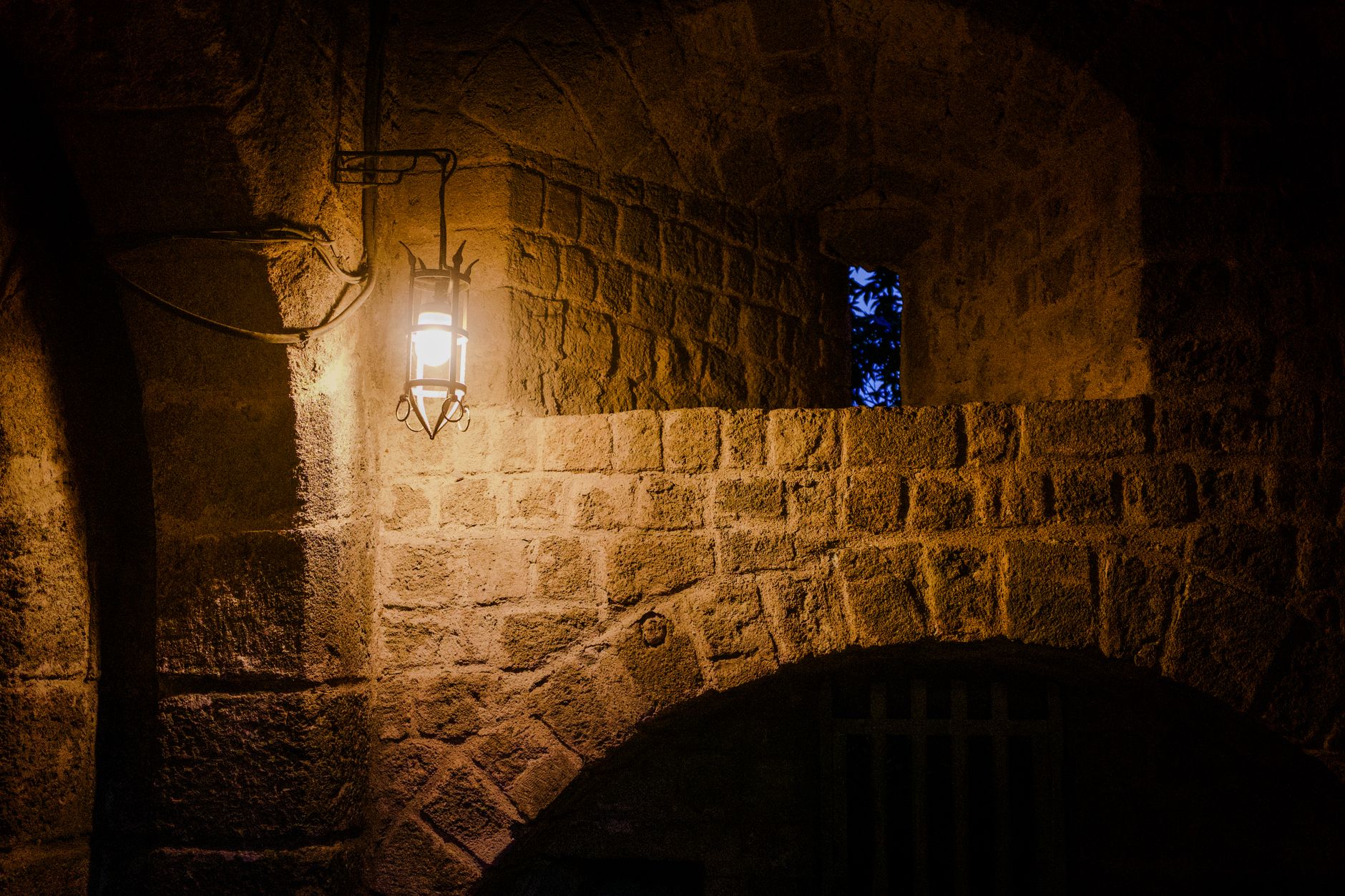
Letter four. Each night someone counts in the cellar. Low, steady, up to forty and then starting again. I assumed it was one of the drivers. Everyone swears they are asleep when it happens. I have started to count with it, which I do not like.
Letter six. There is a ledger on the shelf behind the preserves. Names, dates, a column of small ticks. The last entry is in this morning’s date, in handwriting that is not hers. I have not told the others.
Letter seven. The shelling stopped at dawn and I went up to thank her. The lamp was lit. She told me, kindly, that the cellar has always kept a tally of whoever shelters in it, and that it has never once been wrong about the number. Last night it was one more than we were.
Letter eight. I am sending this with the convoy. If my editor asks why the copy is late, tell him I stayed to count.
Why does war horror work so well as gothic fiction?
War horror works because occupation and conflict already supply the gothic’s raw materials: confinement, buried secrets, houses that remember and a past that refuses to stay buried. The supernatural simply makes the memory audible. For British readers, this sits close to home, from the trenches of 1914 to the Blitz cellars and the long shadow of partition in Ireland.
Which war horror novels should you read?
These are books I am confident about, chosen because their terror comes from history rather than from monsters alone.
Sarah Waters, The Little Stranger
Set in postwar Warwickshire, this is a decaying country house story where the war has hollowed out class, money and nerves. Whatever haunts Hundreds Hall, it feeds on a society coming apart.
Susan Hill, The Woman in Black
Not a battlefield book, but an Edwardian ghost story written in a country about to lose a generation. Reread it with that in mind and the grief in it grows louder.
Toni Morrison, Beloved
The great American example of collective trauma as a haunting. It shows what the genre can do when the ghost is a whole history, and it deserves a place beside any British list.
Pat Barker, Regeneration
Strictly a historical novel rather than a horror one, but its hospital scenes of shell-shocked officers, with their nightmares and hallucinations, are among the most disturbing in British fiction about the First World War.
Sebastian Faulks, The Girl at the Lion d’Or
A quieter choice: a French village in which the silence about the war is itself the unsettling presence. Read it for how it treats what people refuse to say.
How to read war horror without it swallowing you
Start with the gothic ones, such as Waters and Hill, where the distance of a country house gives you room. Move to the heavier books once you know how a given author treats suffering. Good war horror never uses atrocity as a jump scare, and if a book does, put it down.
If the idea of a place haunted by what happened in it appeals, you may also enjoy our maritime and coastal gothic reading list, or the older ghosts in our supernatural crime picks.
For the history behind these books, the Imperial War Museums hold letters, diaries and testimony that make a sobering companion to any of them. Read a chapter of fiction, then a real letter, and notice which one stays with you longer.
Leave a Reply