

Say you are a conveyancing solicitor on a wet Wednesday in November. A completion is due Friday, the buyers have already measured for curtains, and the Land Registry search has just come back with a single line you have never seen before. The title is fine. The address is the problem. This short story follows that solicitor, and it sits alongside a look at haunted house novels that find their horror in British bricks, estates and institutions.
The Deed to Nowhere Lane
Imogen Pryce had transferred four hundred houses and never lost sleep over one. Number 9, Nowhere Lane was a plain end-of-terrace, slate roof, bay window, a gate that stuck. The seller’s file was tidy. The root of title went back eighty years. Then she laid the old deed beside the plan and saw that the plot it described was a strip of land the council had marked, in 1911, as a burial ground for the workhouse beyond the railway.
No house had ever been entered on any register. The rates books skipped it. The electoral roll listed no one. Yet the gate stuck, and the buyers had a survey, and the survey had a photograph of a child’s handprint on the inside of the front window, which the surveyor had put down to condensation.
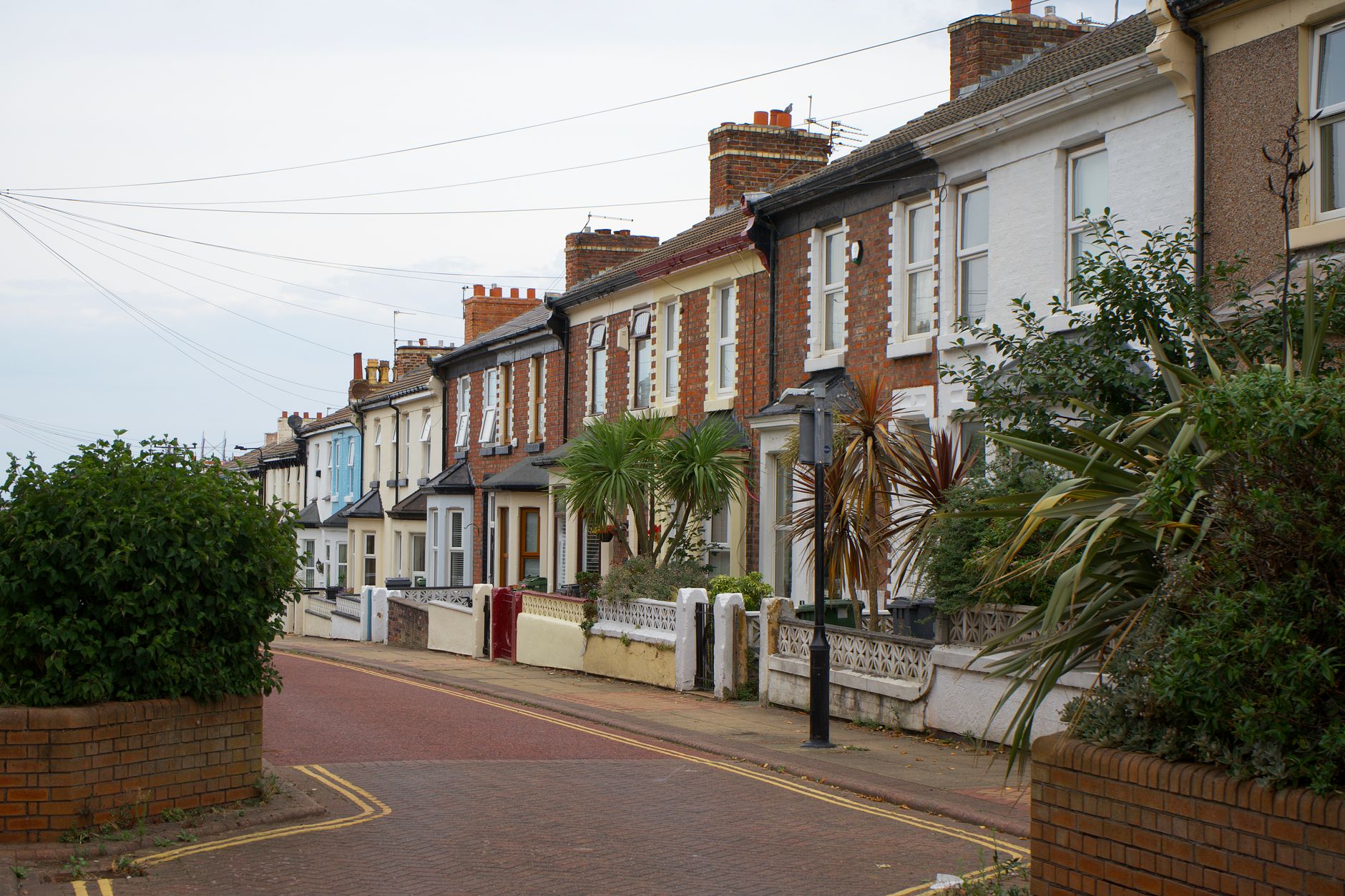
She drove there at dusk. The bay window was lit. Inside, a man in a waistcoat was sorting letters into pigeonholes, all addressed to people she found, one by one, on the workhouse register. He did not look up. “We were told the paperwork would be sorted,” he said. “We have been very patient.”
Imogen did what any careful solicitor would do. She asked for his title. He slid a deed across the counter, and it was in her own handwriting, dated Friday.
Myth: haunted houses are always grand and Gothic
The truth is that British horror fiction has spent decades in ordinary buildings. Shirley Jackson’s The Haunting of Hill House is American, but the British tradition she influenced went somewhere humbler. Susan Hill’s The Woman in Black uses a causeway house, yes, but its dread comes from a solicitor’s errand, the very job Imogen does. Clearing a dead client’s papers is the whole plot, and it remains the best argument that legal admin is frightening.
Myth: council estates are too ordinary to be uncanny
Quite the reverse. Daisy Johnson’s Sisters and Andrew Michael Hurley’s Starve Acre both treat the home as a pressure vessel, and Hurley’s Yorkshire farmhouse feels as lived-in as a rented semi. For concrete and corridors, Nicholas Royle’s The Enemy and the estate-set chills of Ramsey Campbell, especially The Face That Must Die, show how a tower block’s lift shaft can do the work of a crypt. Campbell’s Merseyside is all pebbledash and net curtains, and it is far more unsettling for it.
Myth: Victorian asylums are just a horror cliché
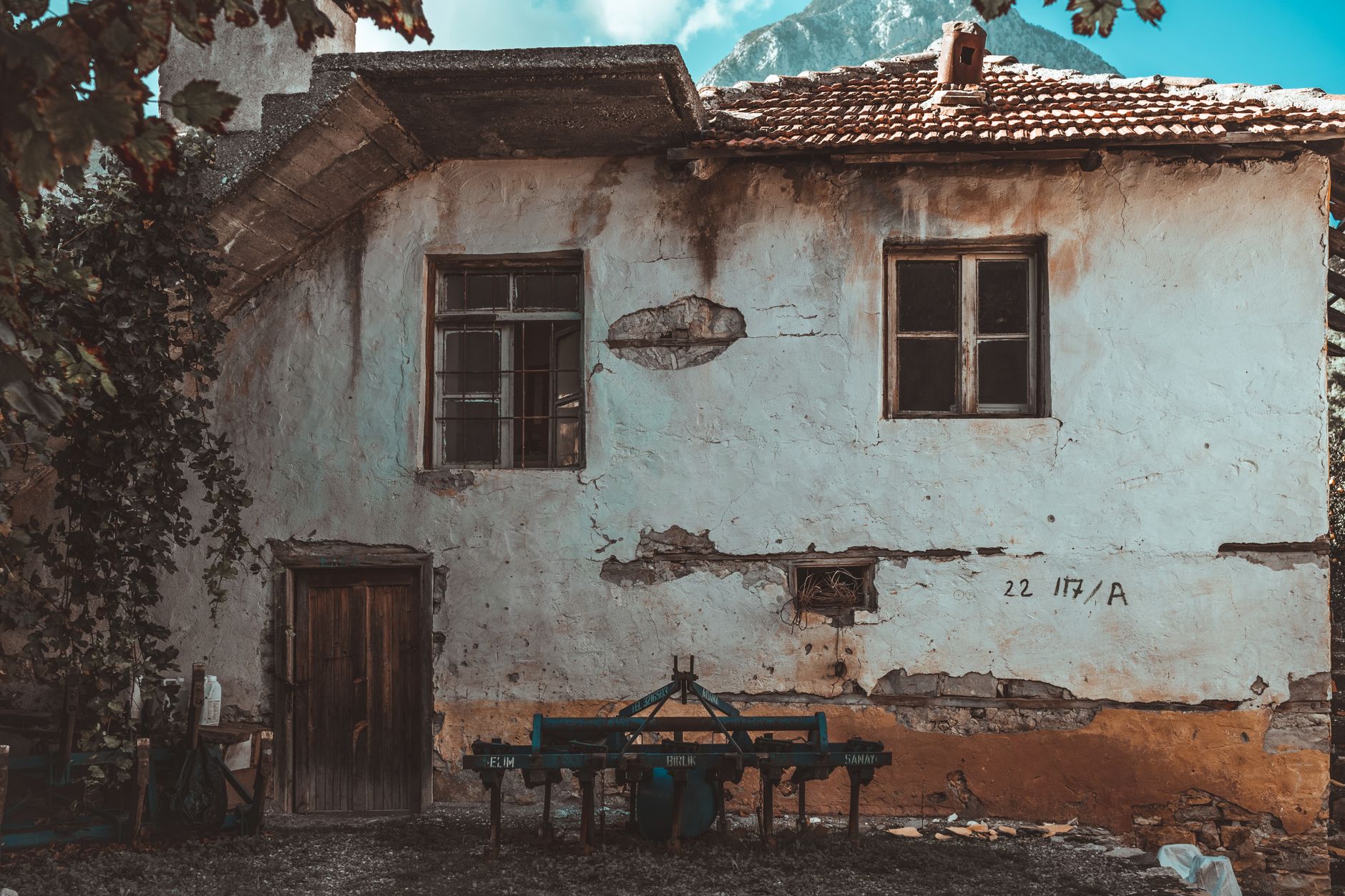
They are a cliché in film. On the page, the better books use them as social history. Sarah Waters’s The Little Stranger traces a decaying Warwickshire hall and the postwar collapse of the class that owned it, with a doctor narrator whose rational voice slowly cracks. Waters’s Affinity goes into Millbank Prison with the same archive-minded care. These are books where the building is a record of who was shut in, and who held the keys.
What makes a British haunted house novel work?
The best British haunted house novels tie the supernatural to something real: a boundary dispute, a workhouse, a slum clearance, an inheritance. A haunting is, after all, a claim on property. The dead say “this was mine” and the living say “we have a mortgage”. That is why a conveyancing story fits so naturally. If you ever need to research a local place’s paper trail before writing about it, a local agency such as LinkPress will not help with the ghosts, but your county record office will help with the deeds.
If cursed objects are more your style, try our look at horror novels featuring uncanny objects.
The ending of the story
Imogen did not complete on Friday. She wrote to the buyers, advised them that the property could not be registered, and refunded her fee. The council later confirmed the plot was unadopted land. When she drove past in the spring, the gate was gone, the bay window was a hedge, and a single pigeonhole stood in the grass, stuffed with wet letters.
For real-life research into an old address, the HM Land Registry property search is the place to start. Then read The Little Stranger with the lights on.
Frequently Asked Questions
What is the best British haunted house novel?
Susan Hill’s The Woman in Black and Sarah Waters’s The Little Stranger are the two most often recommended. Both are rooted in English settings and class tension, and both use a rational narrator whose certainty slowly erodes. Start with Hill if you want something short.
Are there haunted house novels set on council estates?
Yes. Ramsey Campbell’s early work, such as The Face That Must Die, finds dread in Merseyside flats and terraces. Nicholas Royle’s The Enemy also uses urban, institutional spaces. They suit readers who find stately homes less frightening than a stairwell.
Can a house really have no legal existence?
A building can stand without being properly registered, and unregistered land is not unusual in England and Wales. Land Registry searches and old title deeds can reveal gaps. A house that appears on no record at all is fiction, but the paperwork muddle behind it is real.
Is The Little Stranger a ghost story?
It is a haunted house novel, though Sarah Waters leaves the cause open. It could be a ghost, a poltergeist or a mind coming apart. That ambiguity is much of its appeal, and it makes the book good for discussion.

Leave a Reply