From co-working hubs to corporate headquarters, sustainable workplace interiors are no longer a niche concern. They are fast becoming the default expectation for new and refurbished offices, driven by employee demand, environmental targets and rising energy costs.
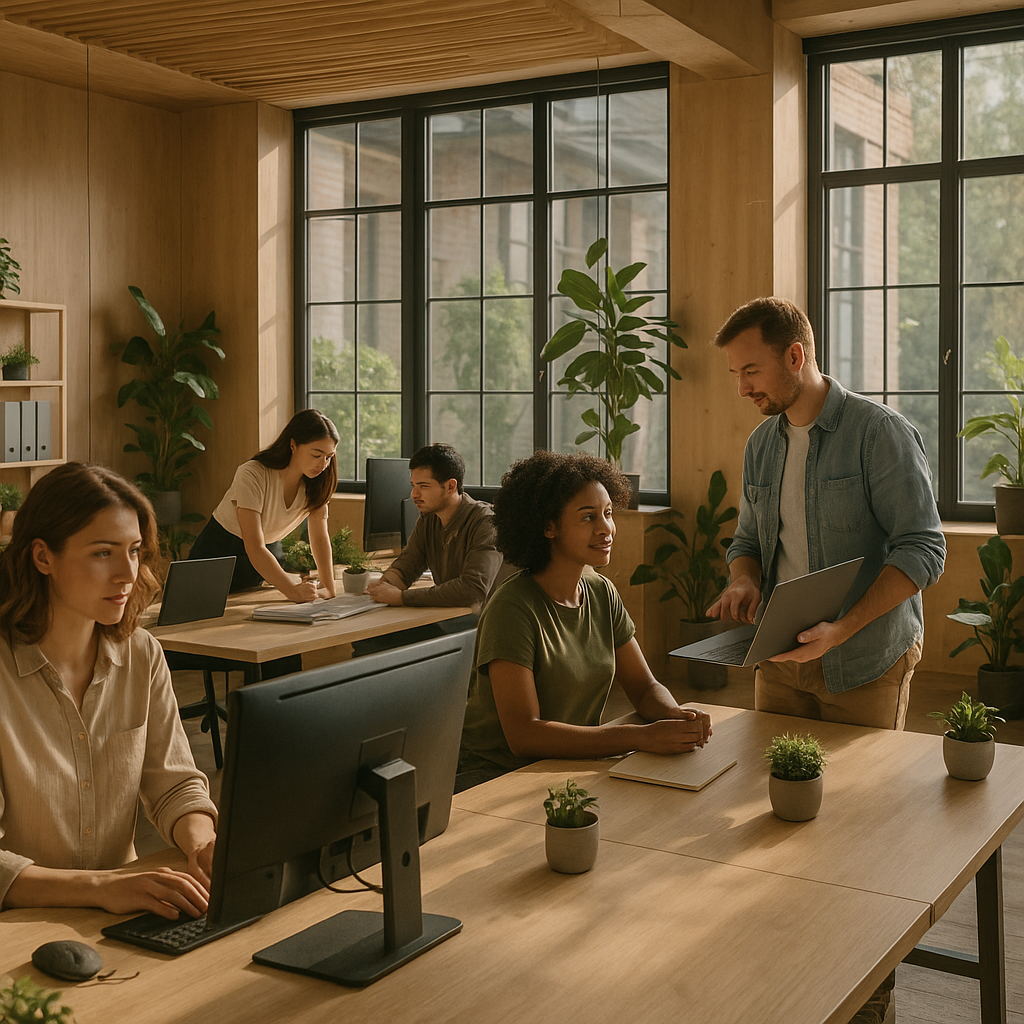
Designing a sustainable workspace is about far more than a few pot plants and some recycled paper. It touches every element of the interior, from layout and lighting to material choices and long-term maintenance. For businesses, the question is no longer “should we?” but “how do we do this well, and without blowing the budget?”
What makes an office interior truly sustainable?
A genuinely sustainable office looks at the full lifecycle of its interior. That means asking tough questions about where materials come from, how long they will last, and what happens when they eventually need to be replaced.
Key pillars include:
- Responsible materials – prioritising low-VOC finishes, FSC-certified timber and products with transparent environmental product declarations.
- Longevity and adaptability – choosing hard-wearing surfaces, modular furniture and layouts that can be reconfigured rather than ripped out.
- Energy performance – integrating efficient lighting, smart controls and layouts that maximise natural light.
- Health and wellbeing – improving air quality, acoustic comfort and access to nature to support staff.
When these elements work together, sustainable workplace interiors can cut running costs, reduce waste and create spaces that people actually enjoy using.
Biophilic design moves from trend to expectation
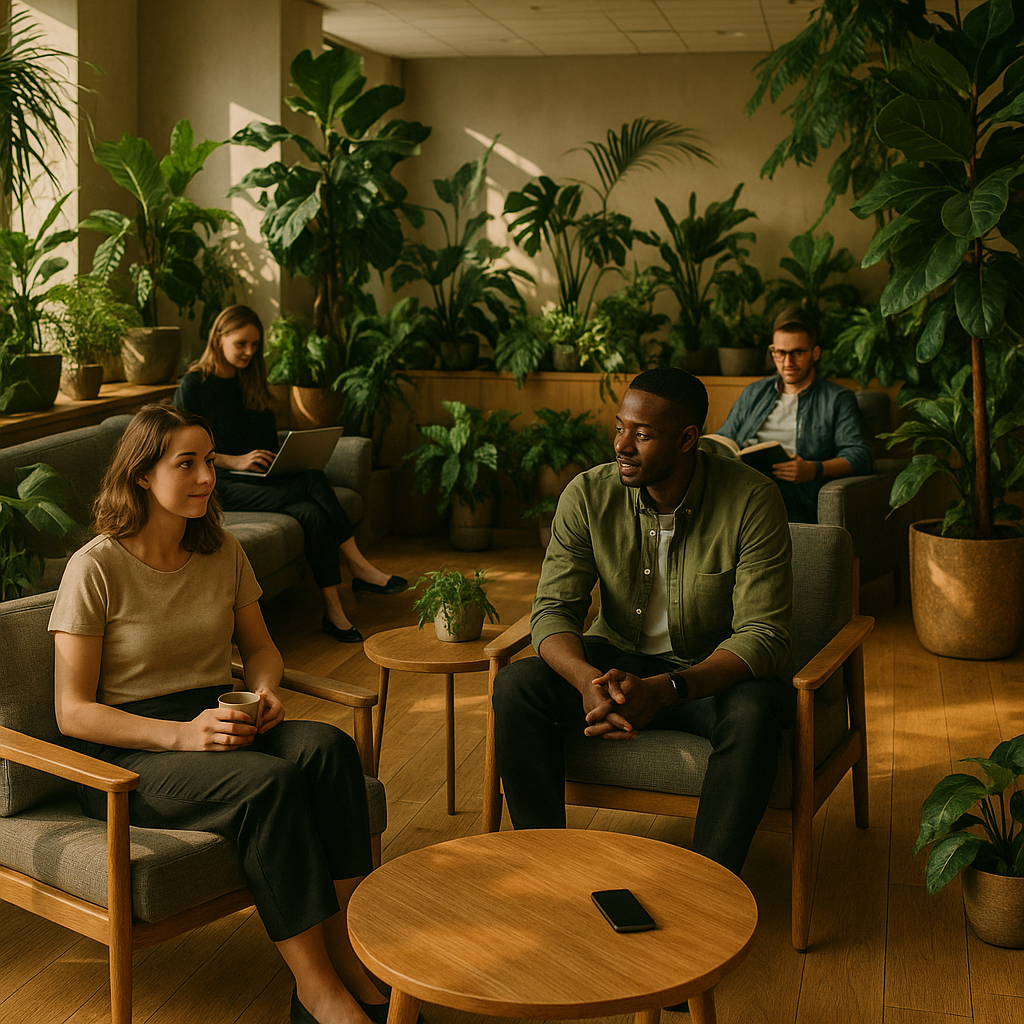
One of the most visible shifts in office design is the rise of biophilic design – bringing natural forms, materials and patterns into the workplace. Research continues to show that even modest connections to nature can improve mood, focus and recovery from stress.
In practice, this does not always mean grand living walls. More common strategies include:
- Using natural materials such as wood, stone and wool in key touchpoints.
- Maximising views to the outside and framing them as part of the interior design.
- Introducing planting schemes that are easy to maintain yet visually rich.
- Incorporating nature-inspired colours and textures in finishes and fabrics.
When combined with careful acoustic design and good air quality, these elements can transform the feel of a workspace without radical structural change.
Rethinking finishes for durability and low impact
Surfaces carry a huge proportion of the environmental footprint of an office fit-out. Walls, ceilings and floors are replaced far more often than the building itself, which makes durable, low-impact finishes a central part of sustainable workplace interiors.
Specifiers are increasingly looking for products that balance sustainability with real-world performance. Recycled content, responsible sourcing and take-back schemes are gaining traction, but they have to sit alongside practicality: ease of cleaning, slip resistance, acoustic performance and comfort underfoot.
For high-traffic areas, it is often better to choose a slightly more robust product that will last longer, rather than a “green” option that needs replacing in a few years. Lifecycle thinking, rather than simple box-ticking, is what ultimately reduces waste.
Where floors are being renewed, experienced installers of commercial flooring can advise on finishes that meet both environmental and operational requirements, from entrance zones to breakout spaces.
Hybrid working and the need for flexible spaces
Hybrid working has changed how offices are used, and that has direct implications for sustainable design. Desks sit empty for part of the week, while collaboration spaces, focus rooms and social areas see more intense use.
To avoid constant churn and waste, interiors are being planned with flexibility at their core:
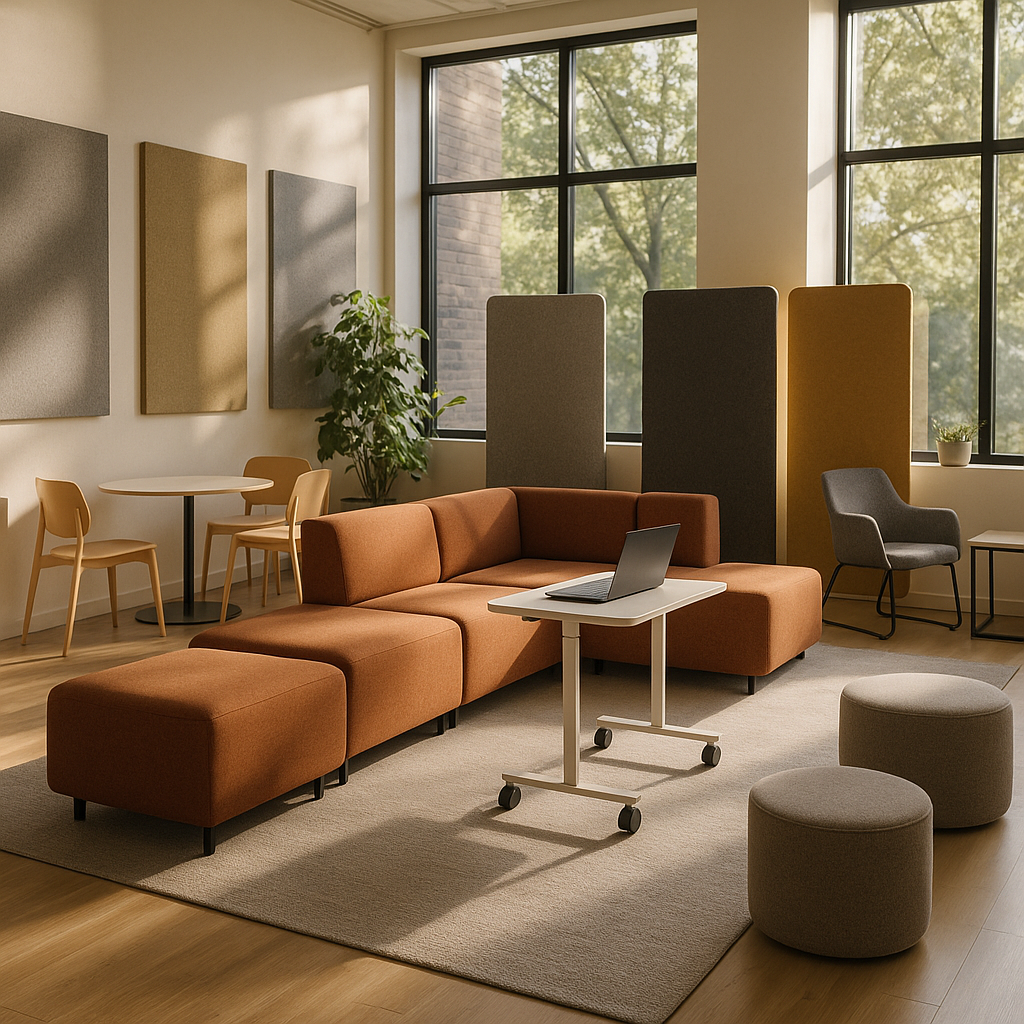
- Movable partitions and modular meeting pods that can be relocated as teams change.
- Multi-purpose zones that can shift from workshop to event space with minimal effort.
- Furniture on castors, demountable shelving and plug-and-play power solutions.
By designing for change from the outset, businesses can extend the life of their fit-out and reduce the material and financial cost of every reconfiguration.
Measuring impact and telling the story
As investors, clients and staff ask for evidence of environmental performance, measuring the impact of workplace interiors is becoming more important. Simple steps such as tracking waste diverted from landfill, specifying products with third-party certifications and monitoring energy use can all feed into a clearer picture of progress.
Sustainable workplace interiors FAQs
How can a small business make its office more sustainable on a tight budget?
Start with changes that cost little but deliver clear benefits. Rearrange layouts to maximise natural light and reduce the need for artificial lighting during the day. Switch to LED lamps and add simple controls like timers or occupancy sensors. Choose durable, easy-to-clean finishes when items need replacing, rather than the cheapest option that will wear out quickly. Introduce low-maintenance plants to improve air quality and wellbeing, and set up clear recycling points to cut waste. Over time, plan larger upgrades, such as better insulation or higher performance windows, as part of scheduled refurbishments rather than ad hoc changes.
What is the difference between a green office and a healthy office?
A green office focuses primarily on environmental impact, such as energy use, water consumption and material choices. A healthy office concentrates on the wellbeing of the people who use it, including air quality, acoustics, access to daylight, ergonomics and stress reduction. The most effective workplaces combine both approaches, using low-impact materials and efficient systems while also prioritising comfort, quiet spaces, movement and connections to nature. When environmental and human factors are considered together, the result is a space that supports both sustainability and productivity.
Why are sustainable workplace interiors important for staff retention?
Employees increasingly expect their workplace to reflect their values, including environmental responsibility and care for wellbeing. An office that is comfortable, well lit, acoustically balanced and visually connected to nature can make day-to-day work noticeably more pleasant. When people feel that their health is protected and that their employer is investing in a thoughtful environment, they are more likely to stay, recommend the company to others and use the space as intended. In competitive sectors, a well designed sustainable interior can be a quiet but powerful advantage in attracting and retaining talent.