

There is a particular quality of silence that follows a funeral. Not the soft hush of a library, nor the held breath before a storm. It is emptier than those. It sits in a house the way cold water sits at the bottom of a well, deep and still and faintly dark. That was the silence I came home to on a grey Tuesday in November, after we buried my grandmother, and it was the silence I carried with me for weeks like a stone in each pocket.
Her name was Edith. She had smelled of lavender and old paperbacks, which, now I think about it, was really the same smell. She had a shelf above her fireplace that I used to study as a child the way other children studied comics or television listings. Battered Penguin paperbacks, their spines cracked and colour-faded. A few hardbacks with gold lettering so worn you had to tilt them toward the light to read the title. And always, tucked at one end, something she was currently reading, a bookmark fashioned from a Christmas card or a piece of ribbon. That shelf was her entire inner life made visible, and when she died, I found I could not look at it without feeling as though the room had shifted several degrees in some direction I could not name.
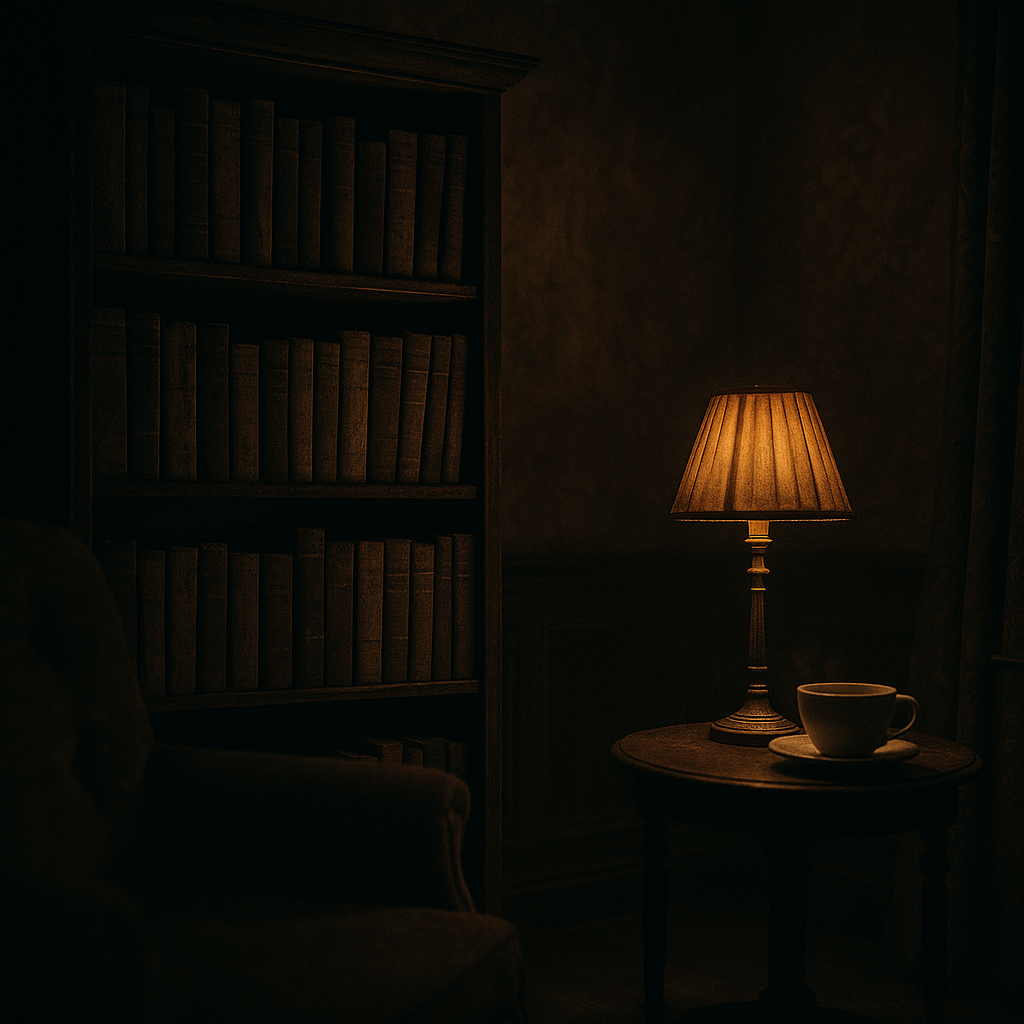
I did not read for three months. This will not surprise anyone who has grieved properly. The words of other people felt intrusive, even absurd. What could a sentence do for you when a person was gone? I watched a lot of television in the dark. I ate toast at strange hours. I became, briefly, the sort of person who owned several unfinished cups of tea simultaneously.
Then, on a particularly bleak January evening, I found myself reaching for a book. Not a cheerful one. Not something designed to fix me or reframe my perspective with brisk therapeutic efficiency. I reached for Joan Didion’s The Year of Magical Thinking, which I’d owned for years without reading, because something about its title had always seemed to require a certain readiness. The book is Didion’s account of the year following her husband’s sudden death, and it is one of the most unflinching, precise, and quietly devastating pieces of writing I have ever encountered. It did not comfort me in any simple sense. But it made me feel less alone in a way that nothing else had managed. That, I have come to believe, is what the best books about grief and healing actually do.
They do not promise resolution. They do not offer tidy arcs in which sadness is processed and filed neatly away. They simply say: here is another person who has been in this particular darkness, and here is what they saw there.
Books About Grief and Healing That Actually Help
Once I had cracked open that first book, I found I could not stop. I moved through a small collection of titles that, taken together, felt less like a reading list and more like a correspondence with people who understood something essential. A few of them I want to mention here, because they deserve to be talked about.
C.S. Lewis wrote A Grief Observed after the death of his wife, Joy Davidman, in 1960. It was originally published under a pseudonym, which makes complete sense once you read it: it is almost embarrassingly raw. Lewis, a man whose entire public career had been built around articulating faith with clarity and confidence, found himself in the aftermath of loss unable to trust any of that. The book is not long, but it is extraordinarily honest, and there is a particular passage about grief feeling like fear that I have returned to a dozen times.
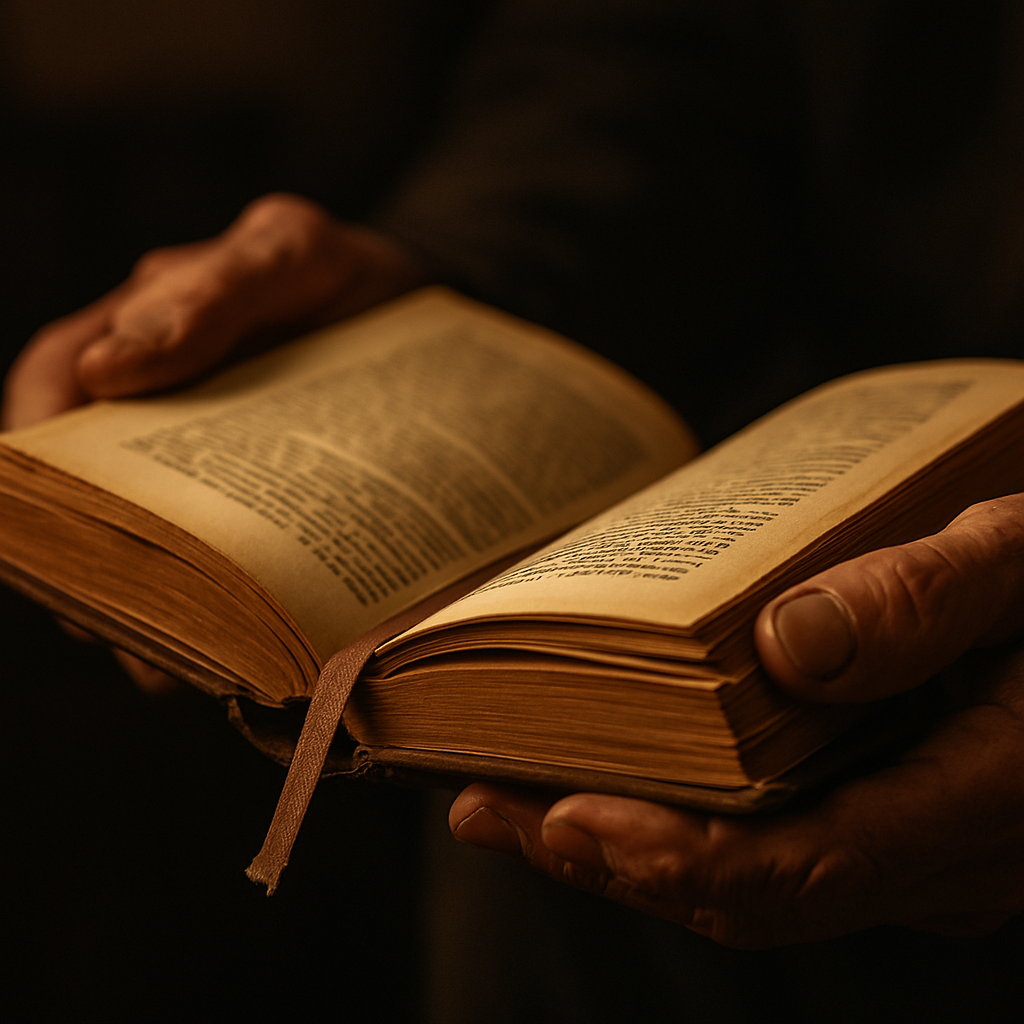
Max Porter’s Grief Is the Thing with Feathers operates in an entirely different register. It is somewhere between a novel and a prose poem, structurally strange and emotionally overwhelming, centred on a father and his two young sons following the death of their wife and mother. A crow moves in. The crow is Ted Hughes and grief and something beyond naming all at once. It is short enough to read in a single sitting and long enough to follow you for years. I know people who found it too experimental, too oblique. I found it the truest thing I had ever read about the way grief distorts time and logic and the ordinary texture of a day.
For something more straightforwardly narrative, The Lovely Bones by Alice Sebold remains one of the most readable and quietly radical approaches to loss in popular fiction. Narrated by a murdered teenager watching her family from heaven, it sounds, on paper, almost unbearably grim. In practice, it is suffused with an odd warmth, and its treatment of how different people within a family grieve differently is remarkably perceptive.
On the non-fiction side, the field of bibliotherapy itself has been wonderfully documented by Ella Berthoud and Susan Elderkin in The Novel Cure, which prescribes books for nearly every emotional ailment you can think of. It is a useful companion if you are trying to find the right reading for a specific kind of grief or a specific person. The BBC has covered bibliotherapy as a growing approach in emotional wellbeing, and there is something quietly validating about seeing what many readers have known instinctively for years being taken seriously as a genuine form of support.
Why Dark and Difficult Books Are Often the Most Healing
There is a persistent and well-meaning idea that people who are grieving should be steered toward uplifting books. Light reads. Something cheerful. I understand the impulse, and I do not dismiss it entirely. But my own experience, and the experience of many readers I have spoken with, suggests that the books which actually helped were not the cheerful ones. They were the ones that went into the dark without flinching.
This is part of why books about grief and healing occupy a strange and important space in literature. The best ones are not self-help books wearing a story’s clothing. They are works of art that happen to have been made from the rawest possible materials. And there is a kind of courage required to read them, particularly in the early months of loss, which is perhaps why so many people pick them up and put them back down, only to return when the time is right.
Edith’s shelf is still above the fireplace in what was her sitting room, now technically mine. I have not moved any of the books. I have added a few of my own alongside them, including a copy of A Grief Observed with its spine now as cracked as her old Penguins. I think she would have approved of the company.
If you are looking for books about grief and healing, whether for yourself or for someone you love, I would say this: do not look for the ones that promise to make it easier. Look for the ones that seem to understand how difficult it actually is. Those are the ones that will stay with you. Those are the ones worth reading by lamplight when the particular silence of loss has settled in your house and you need, more than anything, to feel that someone else has sat in it too.
Frequently Asked Questions
What are the best books about grief and healing for adults?
Some of the most highly regarded titles include Joan Didion’s ‘The Year of Magical Thinking’, C.S. Lewis’s ‘A Grief Observed’, and Max Porter’s ‘Grief Is the Thing with Feathers’. Each approaches loss from a different angle, but all are honest, deeply felt, and widely recommended by readers and therapists alike.
Can reading really help with grief?
Many people find that reading, particularly fiction and memoir dealing with loss, helps them feel less isolated during bereavement. This practice is sometimes called bibliotherapy, and it has been explored seriously as a complementary form of emotional support. It does not replace professional help, but many readers describe it as profoundly useful.
Are there books about grief suitable for children?
Yes. Titles such as ‘The Invisible String’ by Patrice Karst, ‘Badger’s Parting Gifts’ by Susan Varley, and ‘When Dinosaurs Die’ by Laurie Krasny Brown are widely used to help children understand loss. They approach difficult themes gently and are often recommended by child psychologists and teachers in the UK.
What is the difference between a grief memoir and a bibliotherapy book?
A grief memoir is a first-person account of someone’s experience of loss, such as Didion’s or Lewis’s books. A bibliotherapy guide, like ‘The Novel Cure’, prescribes books for various emotional states rather than telling its own grief story. Both can be genuinely helpful, and many readers find themselves drawn to both formats at different stages.
How do I choose a book about grief for someone who is recently bereaved?
Consider how the person tends to respond to emotion. Some find direct, memoir-style accounts grounding; others prefer the slightly more distanced experience of fiction. Shorter books, such as ‘A Grief Observed’ or ‘Grief Is the Thing with Feathers’, are often easier to manage in the early weeks of loss than longer novels.
Leave a Reply