

Every bookseller and librarian knows the truth: some customers are not human, some books do not want to be shelved, and the stockroom is older than time itself. That is why haunted bookshop novels feel less like fiction and more like workplace training manuals with extra corpses.
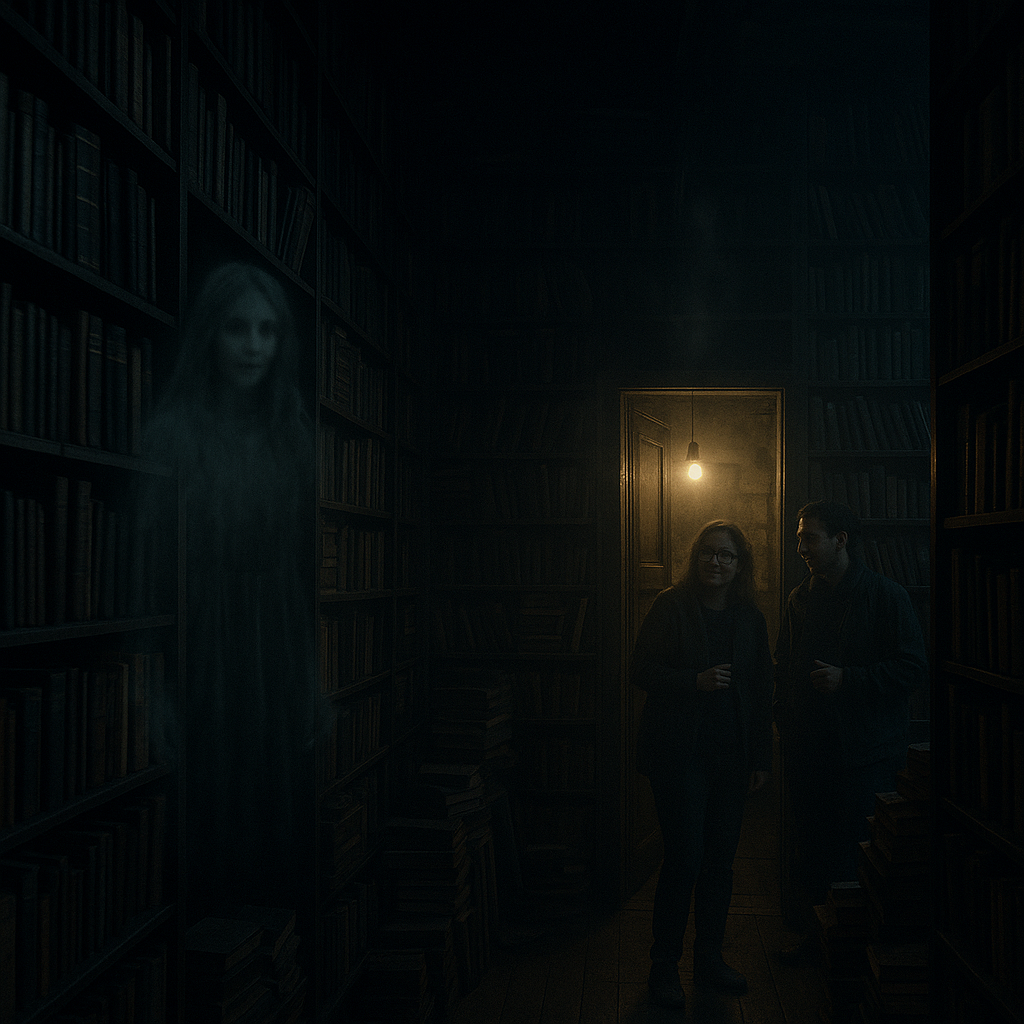
Why haunted bookshop novels feel like documentaries
The public thinks bookshops are cosy. You and I know better. We know the fluorescent lights flicker when someone asks for “that blue book with the dog on the cover.” We know the printer screams when it jams, and the till whispers when it is short. Haunted bookshop novels simply take what we live through daily and add a few more teeth.
In these stories, the late shift is never just the late shift. The last customer is never just the last customer. They are the one who lingers in the poetry aisle long after closing, leaving damp footprints that never dry. The staff member who cheerfully volunteers to do a solo stocktake in the basement? They are either the hero or the next cautionary tale.
Reading these tales feels like revenge. Every petty irritation of retail is amplified into cosmic horror and dark comedy. The customer who argues about a 10 cent discount becomes a demon bargaining for your soul. The inventory system that crashes every Saturday is revealed as an eldritch entity that feeds on ISBNs and despair.
Stockrooms, curses and other health and safety issues
Some of the best haunted bookshop novels understand the true heart of terror: the stockroom. Shelves too tall, boxes too heavy, and a light switch that is never exactly where you left it. In fiction, these spaces become labyrinths, time loops and portals to customer service hell.
One recurring delight is the cursed delivery: a mysterious crate with no supplier record and a faint smell of grave soil. Inside, of course, is a single unmarked volume that reshelves itself overnight, always drifting back to Staff Picks as if it wrote the recommendation card itself. The manager insists it must stay on display because “it is trending”. The staff insist on salt circles and hazard pay.
These stories capture the quiet dread of opening unlabelled boxes, the way dust motes look suspiciously like spirits in the strip lighting, and the sound of something heavy falling in a locked room. They also honour the unspoken rule of all bookshops: nobody goes into the back alone after a power cut, not unless they have a torch and a strong desire to become folklore.
Customers, or, spotting the demons in cardigans
Another joy of haunted bookshop novels is their gallery of customers who may or may not be supernatural. There is the one who never blinks and always asks for books that do not exist. The one who returns a volume that was never sold there, insisting they bought it “years ago, from the old building, before it burned down”. The one who smells of mildew and moonlight and never leaves by the door they entered.
In these tales, the line between “difficult” and “demonic” is delightfully thin. A customer who rearranges an entire display while you are not looking might be possessed. Or just bored. The one who insists that the catalogue is wrong and that the book is “definitely in the back, I can feel it” might be a seer. Or just someone who believes the stockroom is Narnia.
Dark comedy creeps in through familiar scripts. The immortal being who still argues about late fees. The ancient sorcerer who signs up for the loyalty card. The ghost who haunts the armchair in the corner, leaving cold rings on the coffee table and unhelpful one-star reviews.
When the inventory system starts whispering
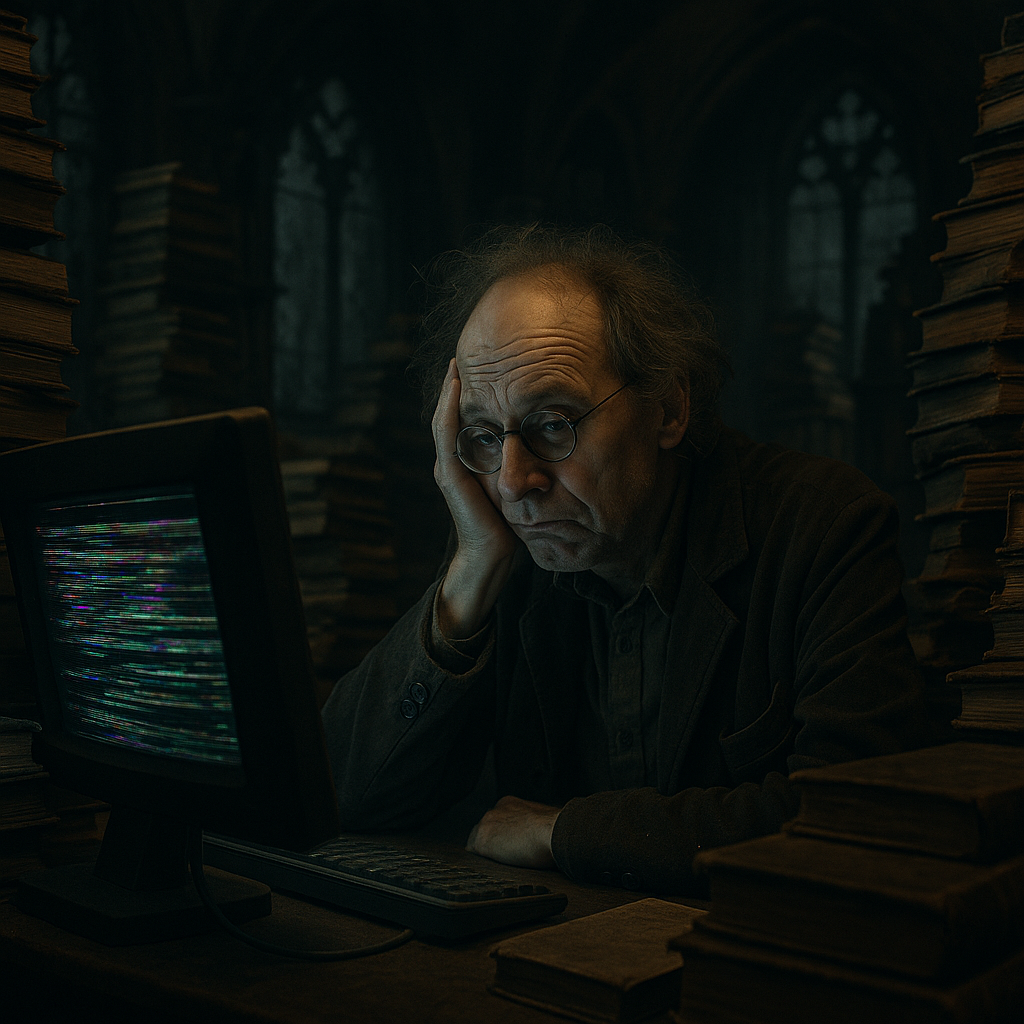
Modern haunted bookshop novels have discovered the richest vein of horror yet: the digital catalogue. Nothing says “cosmic terror” like a system that insists you have 3 copies of a book you have never seen, in a branch that closed ten years ago, under a manager no one remembers hiring.
Haunted bookshop novels FAQs
What are haunted bookshop novels?
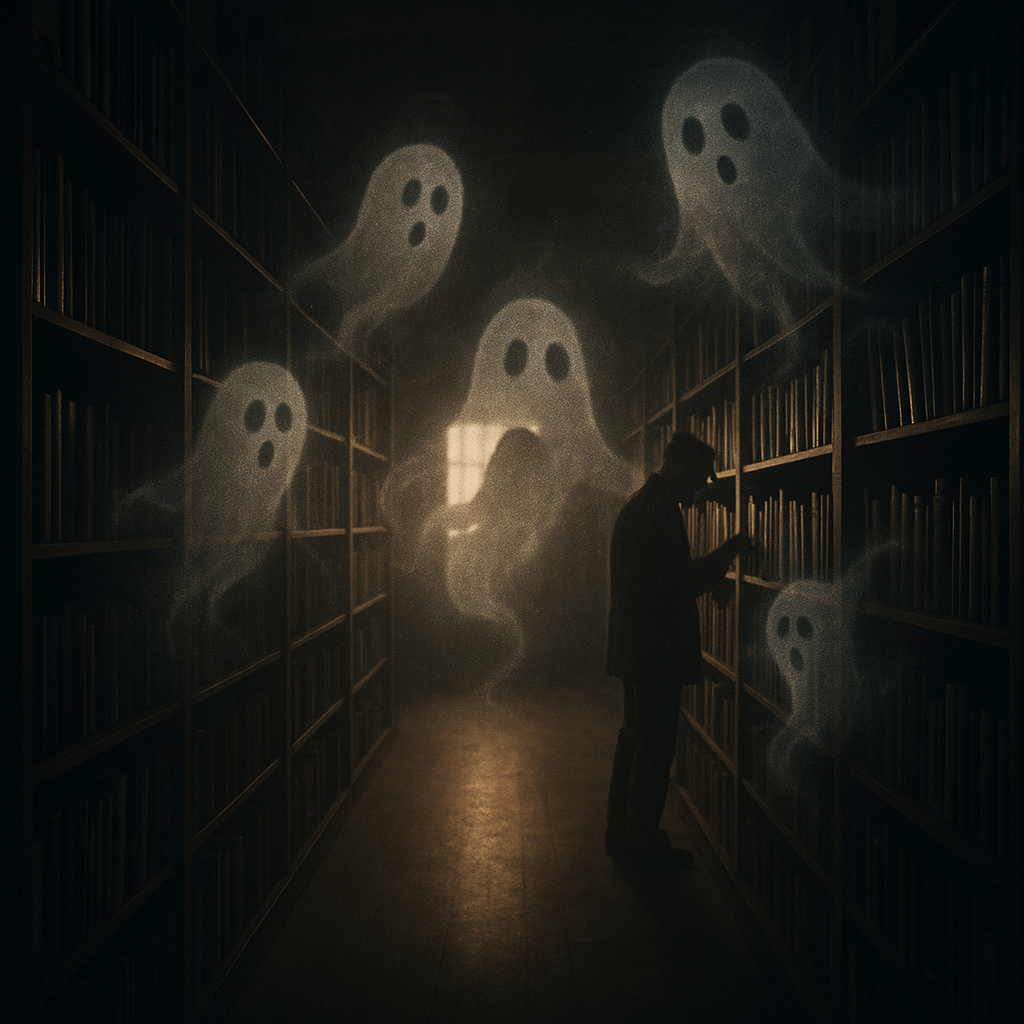
Haunted bookshop novels are stories that mix horror, dark humour and bookish settings, usually centring on bookshops or libraries where the shelves, customers or stock systems are not entirely human. They play with familiar retail frustrations and twist them into supernatural mischief or outright terror.
Why do haunted bookshop novels appeal to booksellers and librarians?
Anyone who has worked with books recognises the eerie side of quiet aisles, odd customers and impossible stock discrepancies. Haunted bookshop novels exaggerate those everyday moments into ghosts, curses and demons, making them feel like gleefully overdramatic versions of real shifts on the shop floor.
Do I need to work in a bookshop to enjoy haunted bookshop novels?
Not at all. While people who work in bookshops and libraries will recognise many in-jokes, haunted bookshop novels are perfect for any reader who enjoys gothic settings, dry humour and stories about people who love books so much they are willing to risk mild possession to keep shelving them.
Leave a Reply