
The Detective Who Believed in Ghosts
DI Carla Marsh did not believe in ghosts. She had said so at press conferences, in interview rooms, and once, memorably, to a forensic psychologist who had looked at her with something approaching pity. She believed in evidence. She believed in motive. She believed in the particular smell of a crime scene in November, which was damp brick and old copper, and which she was currently breathing in very deeply indeed, standing in the basement of a derelict warehouse on the edge of Ancoats in Manchester.
“Nobody has been in here in three years,” said the uniformed constable behind her. His name was Reeves. He was twenty-three and had brought a torch despite the overhead fluorescents still working, which told Carla something about his state of mind. “Building’s been sealed. Council records confirm it.”
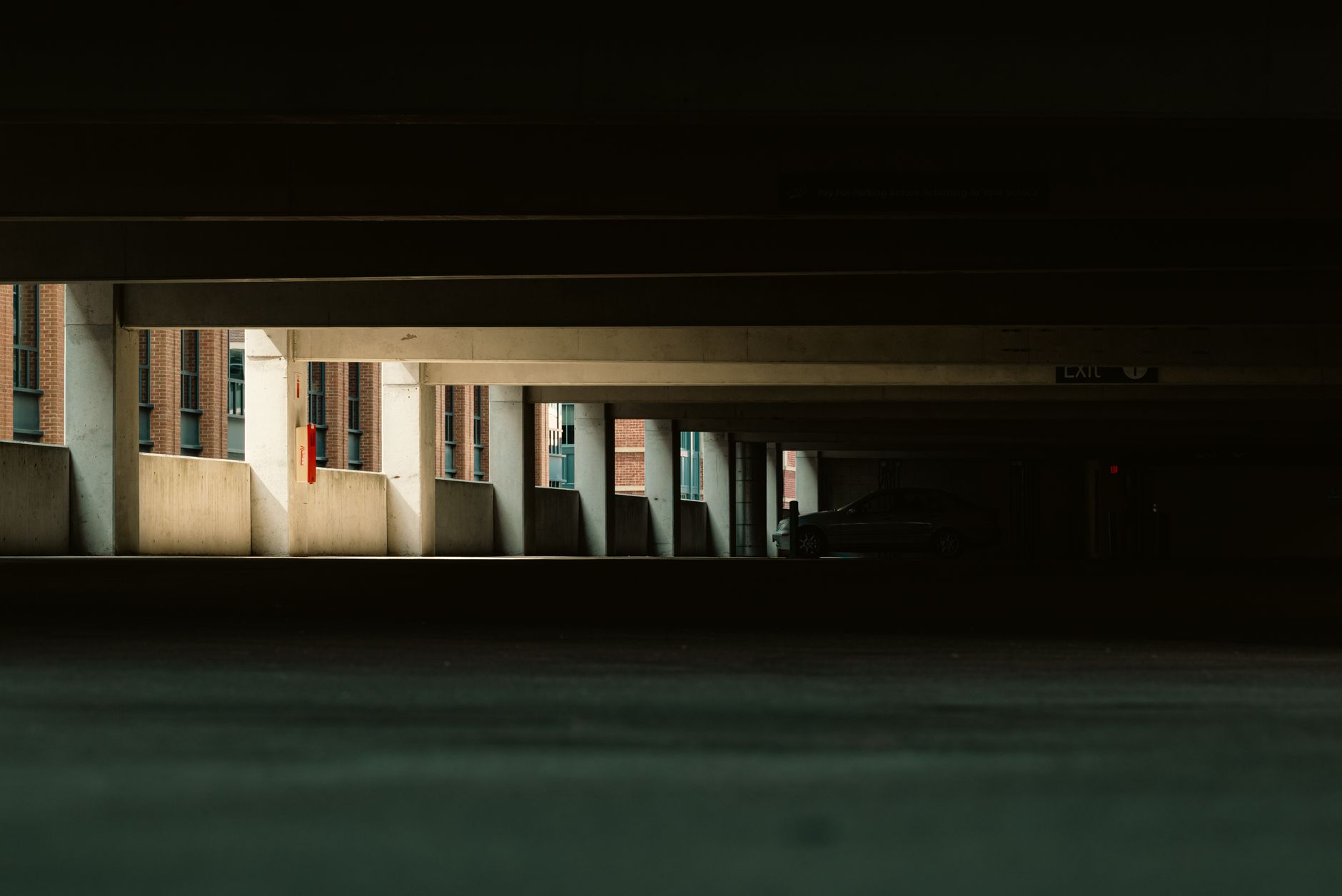
“And yet,” Carla said, crouching beside the chalk outline some forensics officer had drawn around a depression in the concrete floor, “someone left a chair here recently. The dust pattern around it is less than a week old.” She looked up at the ceiling, at the water stains spreading like a map of somewhere she did not want to visit. “And someone lit a candle on that ledge. You can see the wax drip.”
Reeves shone his torch anyway. “People are saying the Galloway murder from ’94 is connected. That the victim, the new one, had been researching it. Cold case. Supposedly the original killer was never caught because”, he lowered his voice in the way people do when they know they sound ridiculous, “witnesses kept recanting. Said they saw something they couldn’t explain standing over the body.”
Carla stood up. Her knees were not what they were at thirty. “What kind of something?”
“Something that wasn’t alive, ma’am.”
She looked at the candle wax on the ledge. She looked at the chair. She looked at the shape the dust had left where someone, or something, had stood for a long time in the centre of the room without moving. Then she took out her notebook, wrote three words she would later tear out and dispose of before anyone could read them, and said, “Right. Let’s get the full forensics team down here.”
The three words were: I believe you.
Why supernatural crime fiction is having a moment in UK publishing
The genre crossover that puts detectives alongside the genuinely unexplained has been building for a while, but the last two years have seen it move from a niche curiosity to a reliable section in every Waterstones. I’ve been watching this with interest, partly because it scratches an itch that neither straight crime fiction nor outright horror fully satisfies. You get the procedural satisfaction of clues and deduction alongside the creeping dread of something that won’t fit the deduction at all. The two modes fight each other in a way that’s genuinely unsettling.
The Guardian’s books desk has noted a marked increase in crime titles with supernatural elements acquiring strong deals at UK publishers in 2025 and into 2026, and independent bookshops are reporting that readers who come in for one genre often leave with the other. There’s clearly appetite here. So I’ve pulled together the titles I think are doing this best right now, with a few older ones that established the template.
The best supernatural crime and dark mystery novels for UK readers in 2026
The Aaronovitch Rivers of London series remains the obvious starting point, and I make no apology for mentioning it again. Ben Aaronovitch’s Metropolitan Police procedurals, in which PC Peter Grant discovers that magic is real and London’s rivers have personifications who occasionally commit crimes, have been running since 2011 and show no sign of slowing. The ninth novel landed earlier this year to the usual enthusiasm. What Aaronovitch does brilliantly is make the supernatural feel bureaucratic. There are forms. There are lines of command. Grant worries about his overtime. It grounds the impossible in the mundane in a way that makes both more affecting.
Paul Cornell’s Shadow Police series, starting with London Fallen, is darker and considerably more brutal. A London police team discovers that the city’s mythology has a literal geography, and people are dying along it. If you’ve enjoyed our exploration of secret society and occult thriller novels, Cornell belongs in the same conversation but with a rougher, more procedural edge. His detectives are not romantics. They are traumatised professionals making terrible decisions under supernatural pressure.
Ambrose Ibsen’s work sits further into horror territory, but titles like The Haunting of Rookward House have found a dedicated UK readership through word of mouth and independent bookseller picks. The investigations feel genuinely procedural even as the horror escalates. Ibsen is good at the moment where a rational character runs out of rational explanations and has to decide what to do next.
Laura Purcell’s gothic mysteries, particularly The Silent Companions and Bone China, are set in Victorian England and operate in the space between psychological thriller and ghost story. A woman is put on trial for crimes she may or may not have committed; the investigation, such as it is, turns up evidence that cannot be explained. Purcell is extraordinarily good at atmosphere. If you’ve previously enjoyed horror novels built around cursed or uncanny objects, The Silent Companions is essential reading.
M.R. Carey’s The Girl With All the Gifts doesn’t fit the genre neatly, but the investigation-at-the-end-of-the-world structure it uses places it firmly in this corner of dark fiction. Someone is always trying to understand what happened, even when understanding it won’t help. Carey consistently writes the kind of horror that feels earned, not decorative.
Catriona Ward’s The Last House on Needless Street is the one I’ve recommended most in the past twelve months to people who claim they don’t read horror. It’s structured as a mystery. It reads as a mystery. Then it does something in the final third that readers tend to describe either as brilliant or upsetting, frequently both. Ward is a Scottish writer who won the Shirley Jackson Award and the British Fantasy Award, which tells you what kind of company she keeps.
For historical supernatural crime, Andrew Taylor’s Lydmouth series and the earlier Robert Aickman short fiction collections both reward attention. Aickman called his stories “strange tales” rather than ghost stories, which is accurate and slightly maddening. They read like crime fiction that has had its solution surgically removed. The dread comes from the absence of resolution. If you’ve read our piece on the best ghost story collections by British and Irish authors, Aickman should already be on your shelf.
What makes this genre crossover work
The reason supernatural crime lands differently from either pure horror or straight mystery is the epistemological tension at its centre. Crime fiction depends on the idea that truth is recoverable; that if you look hard enough, ask the right questions, and assemble the evidence correctly, you will know what happened. Supernatural fiction depends on the opposite idea: that some things resist explanation, that knowledge has a ceiling, that certain doors open onto darkness rather than answers.
When you force a detective into that second kind of story, something interesting happens. They keep trying to apply the first framework to the second kind of world. They are, structurally, wrong. And the reader watches them be wrong, and the tension between the detective’s confidence and the reader’s growing unease is where this genre lives. Carla Marsh, standing in that Ancoats basement with her notebook, is not wrong to look for evidence. She is just wrong to think evidence will be sufficient. That gap is the whole game.
I find that gap more interesting than most things in fiction right now. If you do too, the titles above are where I’d start.