
Every witch begins somewhere. For Mara Ashwick, it began in a basement.
Not a grand tower overlooking a storm-lashed moor, not a forest cottage with smoke curling from a crooked chimney. No. It began in a basement bookshop off a narrow cobbled lane in the kind of town that forgot to modernise somewhere around 1987. The sign above the door read The Dungeon Bookshop in letters that seemed to rearrange themselves slightly each time you looked. Mara had lived three streets away her entire life and had somehow never noticed it until the morning she turned seventeen and woke with ink stains on her fingers she couldn’t explain.
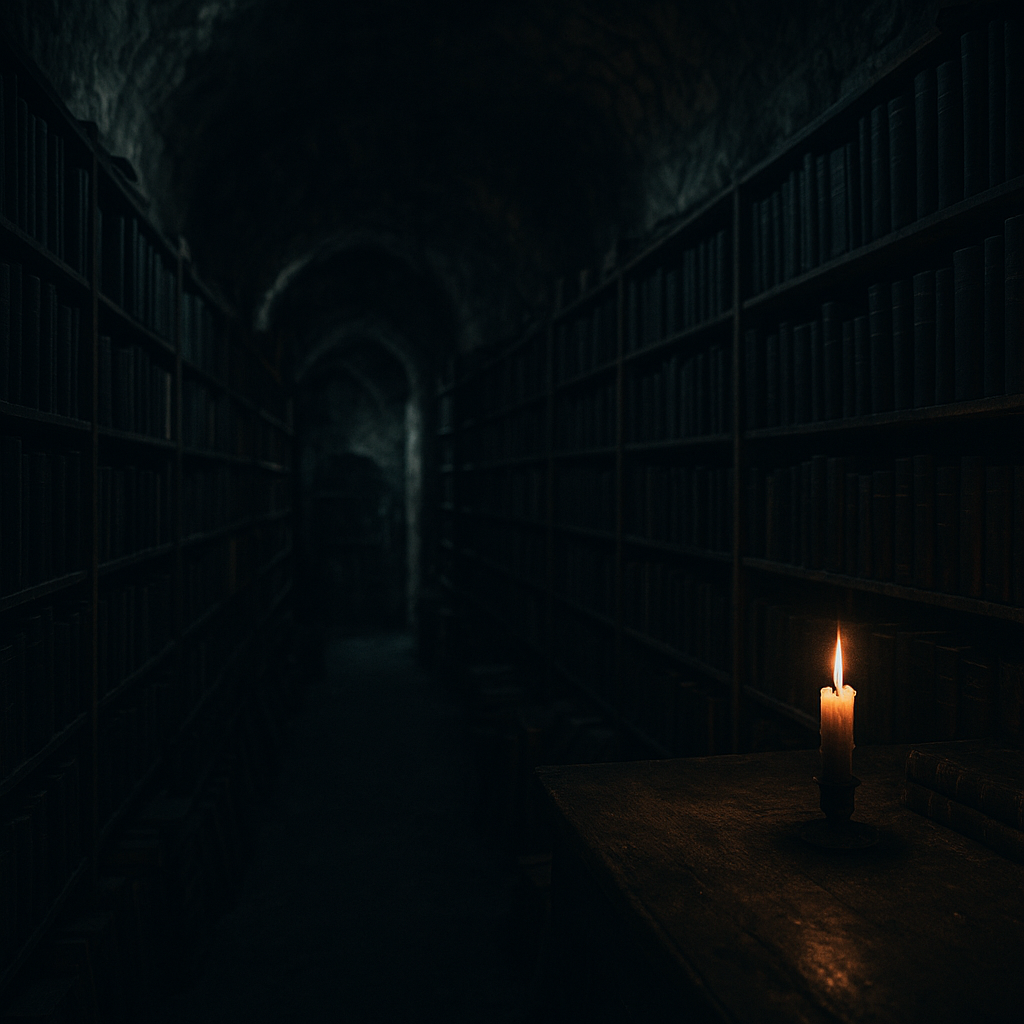
She pushed open the door. A bell rang once, low and resonant, like a note struck inside a church. The smell hit her first: old paper, candle wax, and something else entirely, something that reminded her of the air before a lightning strike. Shelves stretched further than the room should have allowed. And there, behind the counter, sat an elderly woman with silver hair pinned up with what appeared to be a pencil and a small twig.
“You’re late,” said the woman. “I’ve been keeping your shelf warm for three years.”
Mara opened her mouth. Closed it. Then asked the only sensible question available to her: “Which shelf?”
The First Book: Learning That Magic Has Rules
The old woman, who introduced herself simply as Edith, pressed a worn paperback into Mara’s hands without ceremony. It was A Deadly Education by Naomi Novik, the first book in the Scholomance trilogy. “Start here,” said Edith. “Magic without rules is just chaos with pretensions.”
Mara read it in a single night, crouched under her duvet with a torch she had to replace twice when the batteries inexplicably drained. The story follows Galadriel, a young sorceress at a school where the curriculum might literally kill you, and the magic system is so precise, so demanding, that Mara found herself taking notes in the margins. Real notes. Notes that, when she re-read them the following morning, seemed slightly different from what she’d written.
She returned to the shop the next day. Edith looked unsurprised. “Novik understands something most people miss,” the old woman said, turning a page of her own book without looking up. “Witchcraft is a discipline. It rewards rigour. It punishes arrogance. It is, at its core, deeply unfair, and entirely worth it.”
The Second Book: Discovering That Heritage Is Power
The weeks that followed had a rhythm. Mara would read, return, report. Edith would listen, nod occasionally, and then hand over the next volume with the quiet confidence of someone who had done this many times before and would probably do it many times again.
The second book was Mexican Gothic by Silvia Moreno-Garcia. Not a traditional witchcraft novel, Edith acknowledged, but something richer: a story about a young woman who discovers that the house she’s entered is alive with a dark and possessive magic rooted in the land itself, in blood, in history. “Magic doesn’t come from wands and incantations,” Edith said, with the faint disdain of someone who had once met a wand and found it disappointing. “It comes from understanding what you are and where you come from.”
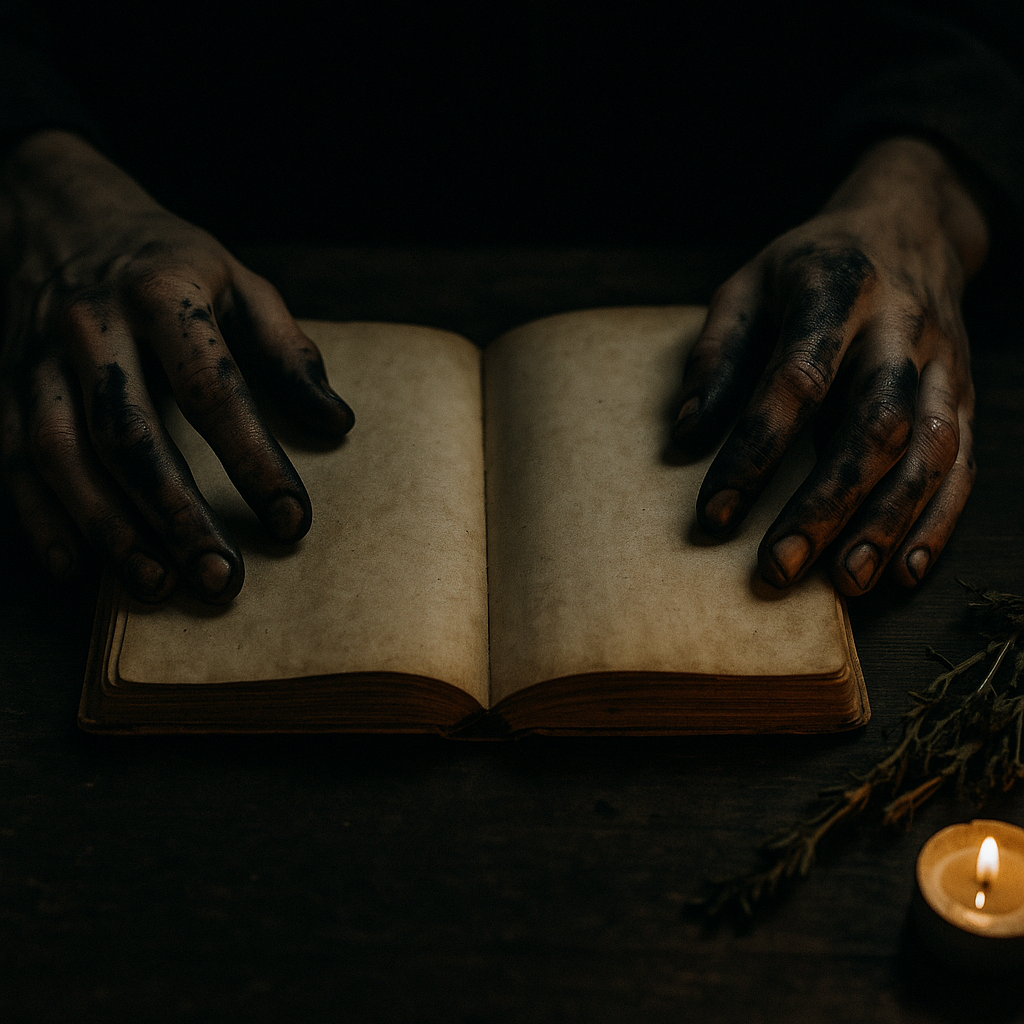
Mara sat with that for a long time. She thought about her grandmother, who had kept dried herbs above every door and spoken to her garden in a low, serious voice. She thought about the ink stains that had appeared on her seventeenth birthday and never quite faded. She thought about the way the lights in her bedroom flickered whenever she was angry.
She started to understand.
The Third Book: Finding Community in the Dark
It was a Tuesday in October when Edith handed her The House in the Cerulean Sea by TJ Klune. Mara raised an eyebrow. “This one’s cosy,” she said. It wasn’t a complaint, exactly. Just an observation.
“Cosy,” said Edith, “is what you earn after the terror. Read it.”
She did, and she wept twice. The novel follows a caseworker for magical beings, set in a world where witches and creatures of mythology exist alongside ordinary people but are feared and marginalised. It’s warm and funny and unexpectedly devastating in places, and it reminded Mara that even the most powerful magic is nothing compared to belonging somewhere.
The best witchy fantasy books, she was beginning to understand, were never really about magic. They were about identity. About who gets to decide what’s normal. About the cost of being strange in a world that prefers the ordinary. The British Library has written extensively about how fantasy literature has served as a space for exploring outsider identity, and Mara could feel that truth pressing against her ribs like something trying to get out.
She started visiting the shop every day.
The Fourth Book: Embracing the Darkness
Edith’s fourth recommendation came wrapped in brown paper tied with black twine. Mara untied it at the counter. The Witch’s Heart by Genevieve Gornichec.
“Norse mythology,” said Edith, watching her. “Angrboda. Mother of monsters. Lover of Loki. One of the oldest witches in any tradition.” She paused. “Also one of the most compelling characters I have encountered in forty-three years of selling books in a basement.”
The novel takes the perspective of a woman burned three times by Odin and still refusing to be extinguished. It is grief and fury and fierce, stubborn love rendered in prose that occasionally made Mara’s hands tingle in ways she was fairly certain had nothing to do with the radiator. The magic in this book is primal; it predates systems and schools. It is the magic of surviving, of endurance, of choosing to remain.
Mara read the final page on a night when the wind was doing something unusual outside her window. She closed the book. The ink stains on her fingers had spread, just slightly, to her wrists.
The Fifth Book: Coming Into Your Own Power
On a cold morning in November, Edith placed the final book on the counter between them. Piranesi by Susanna Clarke. Mara looked at it uncertainly.
“It’s not technically a witchcraft novel,” she said.
“No,” agreed Edith. “It’s better. It is a novel about a person who has had their entire understanding of reality dissolved and rebuilt, and who discovers that the self, the true self, cannot be destroyed no matter how many times the world tries.” She pushed it forward. “That is the last lesson. You can read about magic forever. You can study systems and lineages and the names of every plant in every hedgerow. But until you trust yourself completely, until you are unshakeable in your own identity, you have nothing.”
Mara picked up the book. The lights in the shop flickered once.
Edith smiled, for the first time since they’d met. “There she is,” she said quietly. “Now you’re ready.”
Where to Find the Best Witchy Fantasy Books
Mara still visits the shop. She has her own stool behind the counter now, and a small carved shelf that holds her personal collection. If you visit on a Wednesday afternoon and ask for a recommendation, she’ll hand you something wrapped in brown paper without telling you what it is. She says the book chooses, not the reader.
The five novels mentioned above represent some of the best witchy fantasy books available right now: Novik’s Scholomance trilogy for sharp magical systems; Moreno-Garcia for gothic atmosphere and ancestral power; Klune for warmth and belonging; Gornichec for mythology and endurance; Clarke for the kind of prose that rearranges your interior landscape without asking permission. All of them sit on the shelves at The Dungeon Bookshop, and all of them, in Edith’s words, will teach you something you didn’t know you needed to learn.
You can find out more about the history and cultural significance of witchcraft in British literary tradition via the British Library’s archive on witchcraft in literature, which offers fascinating context for how these stories have shaped and been shaped by real-world belief and persecution.
The basement is always open. The bell will ring when you’re ready. And your shelf, wherever it is, has been waiting for you longer than you know.
Frequently Asked Questions
What are the best witchy fantasy books for beginners?
If you’re new to witchy fantasy, A Deadly Education by Naomi Novik is an excellent starting point for its accessible prose and clearly defined magical system. The House in the Cerulean Sea by TJ Klune is another warm, welcoming entry point that doesn’t sacrifice depth for comfort.
Are witchy fantasy books suitable for young adults?
Many of the best witchy fantasy books are written with a young adult or crossover audience in mind. Novik’s Scholomance series is marketed at YA readers, while novels like Mexican Gothic and The Witch’s Heart are aimed at adult readers due to darker themes and more complex narratives.
What makes a fantasy novel 'witchy' rather than just magical?
Witchy fantasy tends to focus on feminine power, folk tradition, herbalism, ancestral knowledge, and the natural world rather than formal academic magic systems. There’s often an emphasis on outsider identity and the social cost of being different, which sets it apart from broader high fantasy traditions.
Are there any witchy fantasy books based on British or Irish folklore?
Susanna Clarke’s work, including Piranesi and Jonathan Strange and Mr Norrell, draws heavily on British magical tradition and folklore. There is a rich tradition of witchcraft in British and Irish literature stretching back centuries, which the British Library has documented extensively in its literary archives.
How do I choose the right witchy fantasy book for my reading mood?
Consider what you’re looking for emotionally. If you want sharp wit and survival tension, go for Novik. If you want gothic atmosphere and dread, try Moreno-Garcia. For something cosy and emotionally generous, Klune is your best choice. For mythology and raw power, Gornichec delivers, and for something quietly mind-bending, Clarke is unmatched.