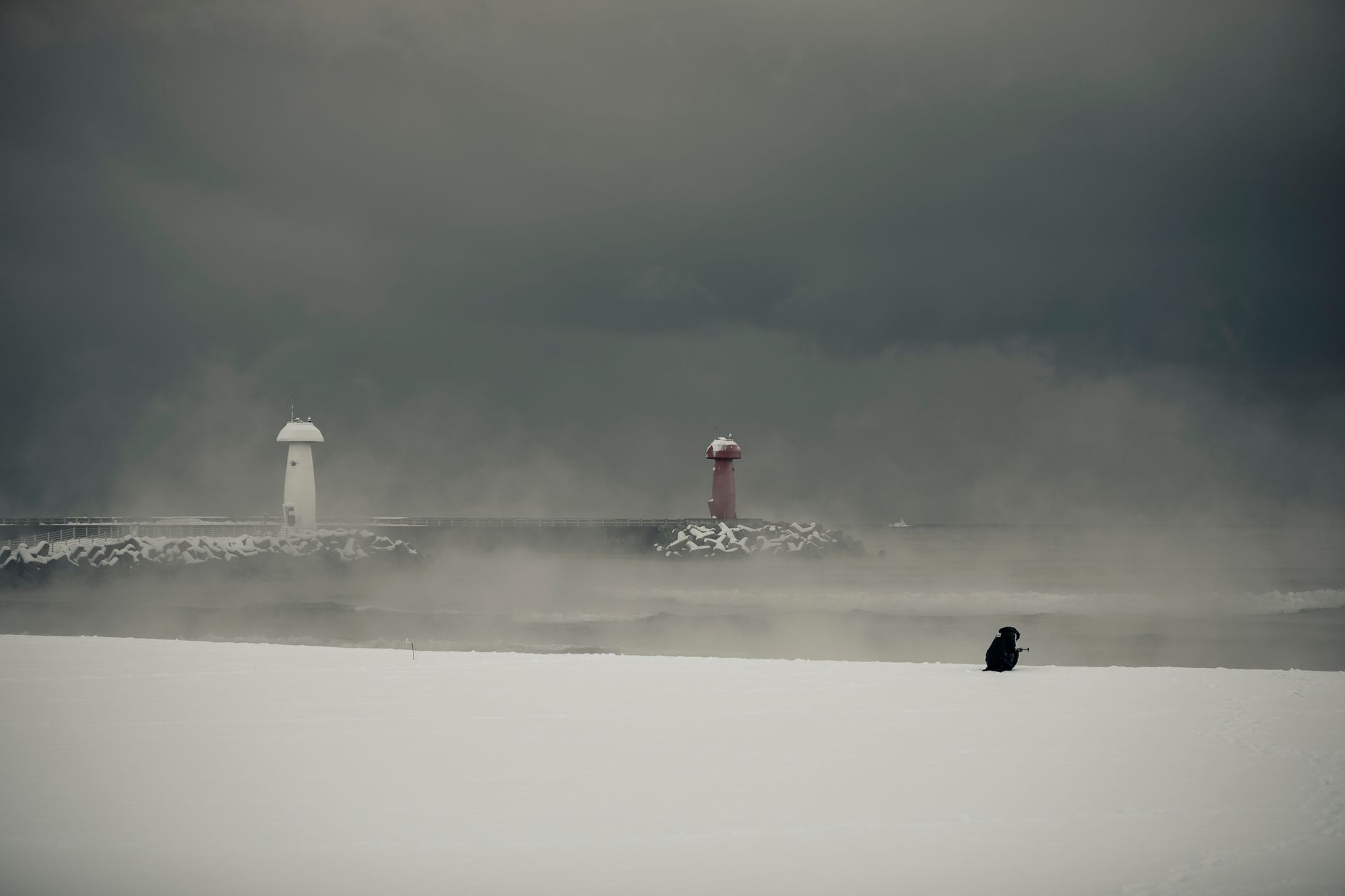
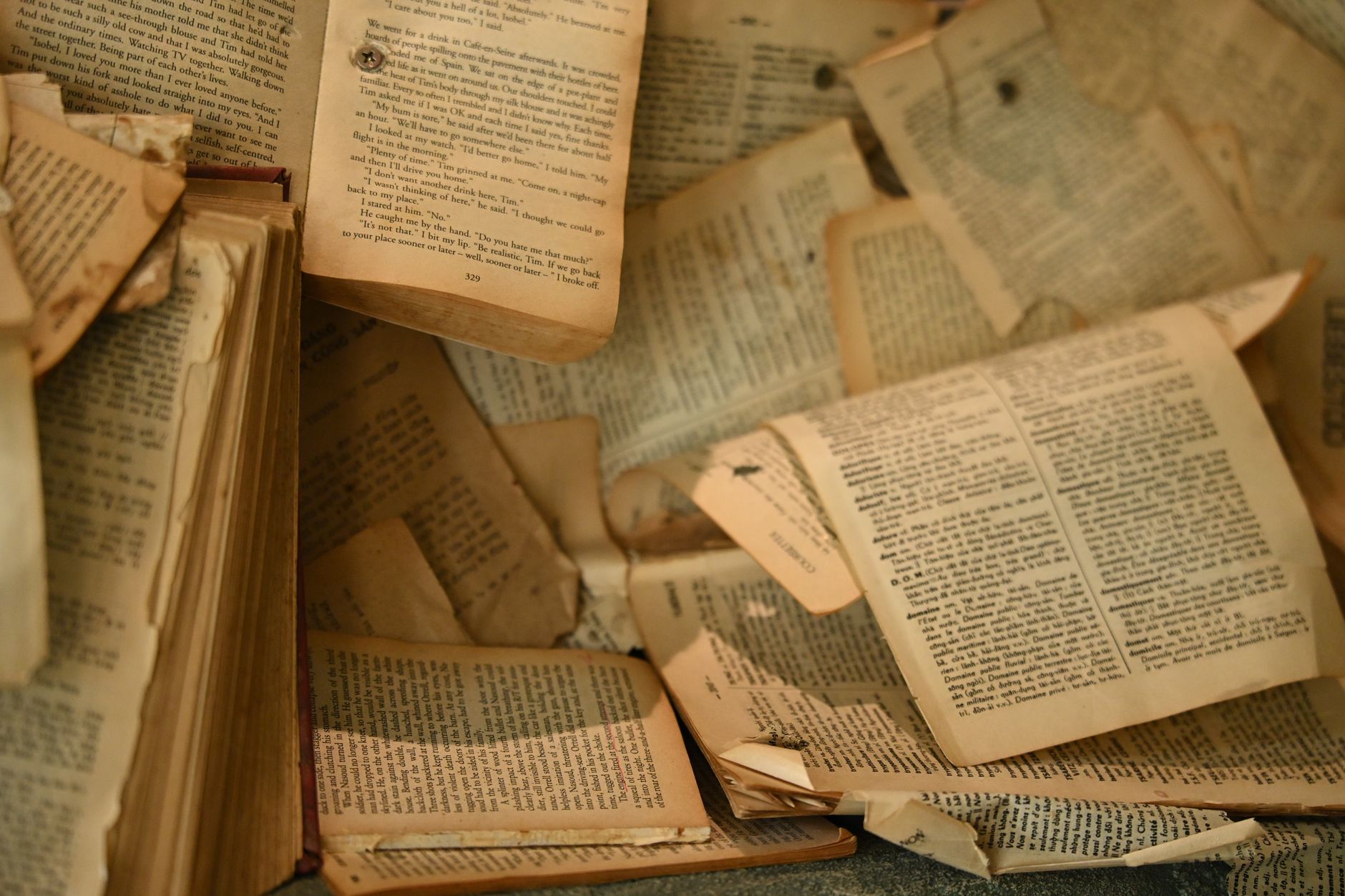
There is a particular quality to Christmas Eve darkness. It presses against church windows differently from ordinary night, thicker, more patient, as though something very old has settled in the rafters to wait. I’ve always found midwinter the most honest time of year: the decorations are cheerful, the carols are lovely, and underneath all of it is the bare fact that the year is dying. The best festive horror novels understand this. They don’t ruin Christmas so much as remind you what Christmas is built on top of.
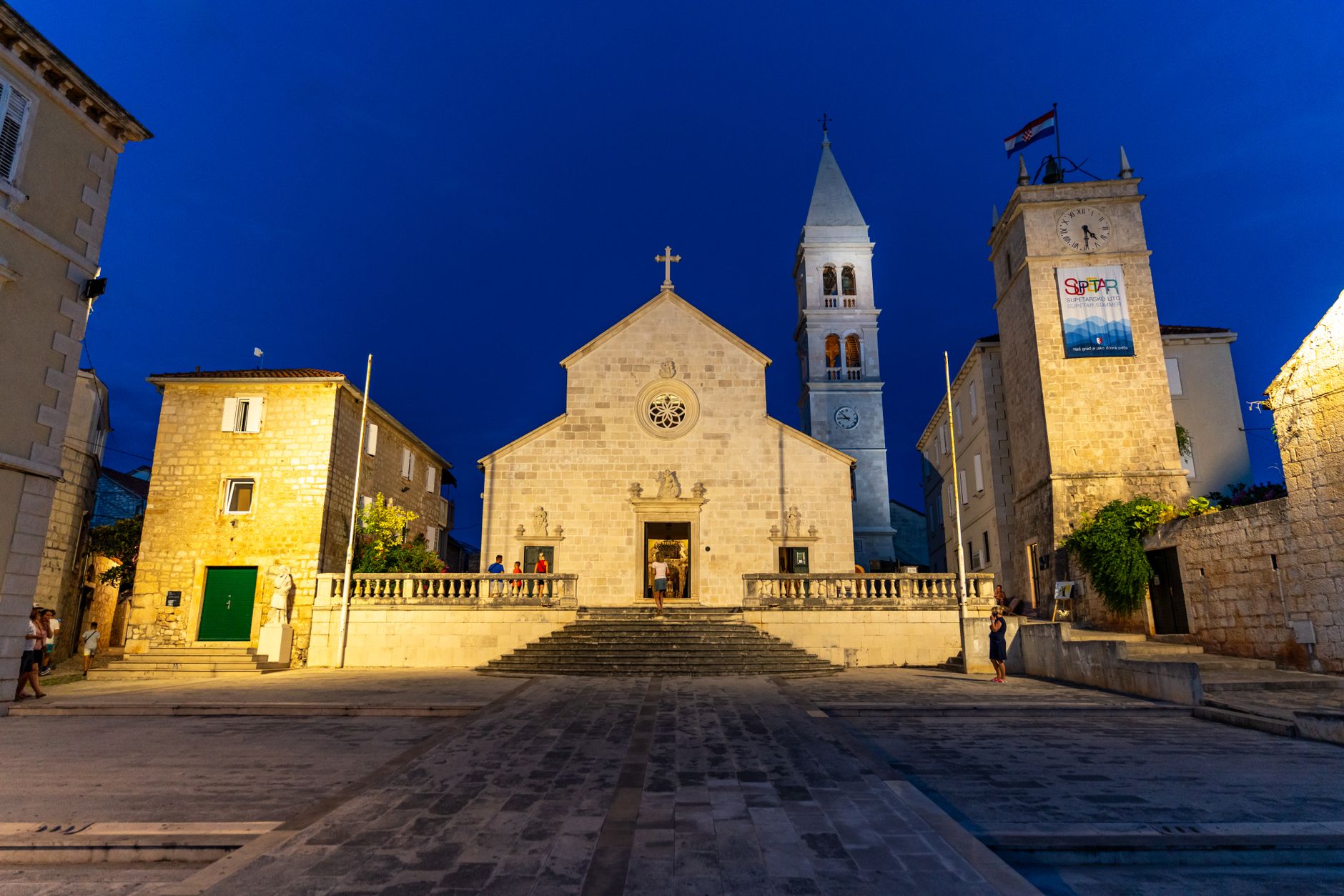
What follows is a story, and then some books. The two belong together.
The bellringer’s codex
Margaret Holt had been the head bellringer at St Cuthbert’s for thirty-one years, which meant she had climbed the tower stairs in every conceivable weather condition and emotional state, including once with a sprained ankle and once whilst furious with her sister-in-law. Tonight she climbed them with a thermos of tea, a torch, and the expectation of nothing unusual whatsoever.
The bells needed checking before the midnight service. The church fabric committee had noticed a crack in one of the wooden headstocks during the November inspection, and the vicar, a cautious man named Gerald, had asked her to take a look before the 11 o’clock congregation arrived. He’d said it with that particular expression he used when he wanted someone else to deal with something slightly worrying.
Margaret didn’t mind. She liked the tower after dark. It smelled of old rope and iron and centuries of effort, and the view from the upper chamber, the whole village spread below, windows lit amber and gold, a frost just beginning to silver the churchyard, was one she never tired of. She could see from up here which houses had their outdoor lights on a timer and which had families who’d stayed up to do it properly. She could see the road at the far end of the village, and the little crowd gathering around something bright and moving.
She knew what that was. The Round Table had their sleigh run tonight; she’d signed the collection tin herself a fortnight ago. Someone had told her they’d set up a proper track santa page this year, so that families could watch the route progress in real time. Modern touch, she thought. Though she remembered when the sleigh run was a man in a hired costume and a flatbed lorry, and the village turned out anyway. Tradition is tradition, however you dress it up.
She found the crack in the headstock easily enough, worse than Gerald had implied, but not catastrophic, and she was making a note on her phone when the torchlight caught something wrong about the wall.
Not wrong, exactly. Different. A section of the old stone behind the bell frame had a seam in it that she didn’t remember noticing before, though she’d been in this chamber hundreds of times. She told herself it was the angle of the torch. She told herself that for approximately ninety seconds, and then she pressed on the stone and it moved.
The cavity behind it was shallow, barely the depth of a forearm, and inside, wrapped in what had once been oilcloth and was now more of a suggestion of oilcloth, was a book.
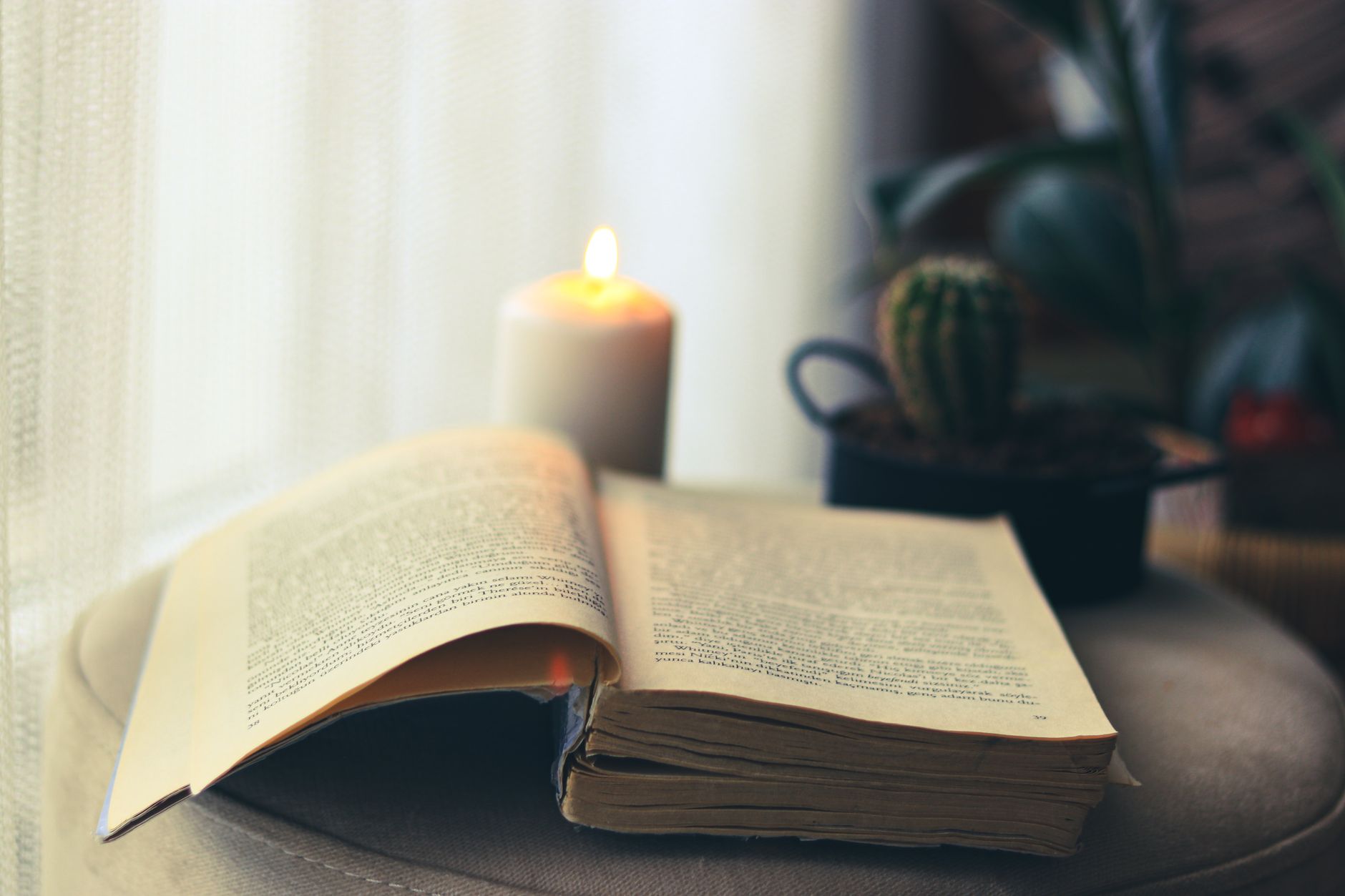
Not a bible. Nothing so familiar. The cover was boards, darkened to the colour of old blood, and the text inside was in a hand she couldn’t read, Latin, she thought, or something that had been using Latin’s clothing for its own purposes. The illustrations stopped her breath. Figures processing through snow. A sun with a face on it, not a cheerful face. Something ringed in candles that might be a door and might be a mouth. And at the very centre of the book, a full-page image of a church tower at midnight, bells swinging, and in the ringing chamber below, a woman alone with a torch.
The woman was wearing Margaret’s coat.
She climbed back down the tower stairs rather faster than she’d climbed them. The midnight service was very loud that year, she made sure of it, and she had five cups of tea with the vicar afterwards and told him about the codex in careful, practical language, as though she were describing a damp patch. Gerald drove her home himself. Neither of them mentioned the illustration.
The book is with the diocesan archivist now. Margaret still rings the bells every Sunday. She hasn’t been up to the tower after dark since Christmas Eve, but she tells herself she’ll go back eventually. She tells herself the seam in the wall is just an old repair. She keeps the church’s collection page bookmarked on her phone, the Round Table sent her the link, so she could donate, and sometimes, when she’s feeling unsettled, she opens it and watches the little icon moving steadily along its route, cheerful and ordinary, and it helps.
Almost all the way.
Festive horror novels worth reading this midwinter
If Margaret’s evening has put you in the right frame of mind, here are the books I’d press into your hands right now. These are the festive horror novels and midwinter dark fiction titles available in the UK that I keep coming back to, not because they ruin the season, but because they take it seriously.
The turn of the year in fiction
The Christmas Appeal by Janice Hallett (Viper Books) is a murder mystery set against the chaos of an amateur dramatic society’s Christmas production, and it is genuinely funny until it isn’t. Hallett writes in epistolary form, emails, WhatsApp messages, production notes, and the horror creeps in through the gaps between messages. If you’ve read her debut The Appeal, you know exactly how she builds dread through domestic noise. If you haven’t, start there and then come here.
Boy in the Snow by M.J. McGrath is older but earns its place on any midwinter list. Set in Alaska but available widely here, it follows a detective through a frozen landscape where the community’s festive rituals hide something deeply wrong. The cold is almost a character. The BBC adaptation never quite captured how airless the novel feels.
For something more classically British, Paul Finch’s The Christmas Stalking collection gathers seasonal crime and horror stories with a particularly English grimness, the sort of fiction that understands village life, church fetes, and the specific horror of what happens when the community turns. It pairs naturally with the ghost story collections we explored in The Scholar Who Would Not Leave, which covers the best British and Irish ghost fiction in rather more depth.
Older darkness, newer editions
M.R. James is unavoidable here, and rightly so. His collected ghost stories, available from Penguin Classics, Wordsworth Editions, and a dozen other imprints, are essentially the canonical English midwinter horror text. Oh, Whistle, and I’ll Come to You, My Lad is the one everyone quotes, but The Stalls of Barchester Cathedral is the one I’d give to Margaret Holt. It concerns a church, a hidden artefact, and consequences that compound over time. James knew that religious buildings hold their secrets patiently.
Susan Hill’s The Woman in Black gets shelved as gothic horror year-round but it is, at its heart, a midwinter book, the cold and the isolation and the sense of something ancient pressing against the present. Hill’s novella has been in print continuously since 1983 and you can read a little more about the tradition she writes in by visiting The Signal from the Lighthouse, which covers coastal gothic fiction in detail.
Recent titles worth your attention
Paul Tremblay’s The Pallbearers Club (Titan Books UK edition) isn’t strictly festive, but its exploration of how rituals form around death and community makes it perfect for the dead days between Christmas and New Year, when time goes strange. His work consistently rewards readers who enjoy that queasy feeling of not being sure what’s real.
Catriona Ward’s Little Eve, set on a Scottish island at the winter solstice, is one of the more unsettling things I’ve read in years. Ward understands how religious communities generate their own mythology, and how that mythology is always layered over something older. The solstice setting gives the horror a particular inevitability. Her later novel The Last House on Needless Street is equally worth your time, and the tradition of isolated-setting dread it belongs to is something we looked at in The Island Keeps Its Secrets.
Finally, for historical depth: the British Library’s ghost stories series has produced several anthologies themed around seasons and occasions, including their Christmas collection. These are impeccably edited, beautifully produced, and available in most Waterstones branches. They are the sort of books that make excellent gifts for readers who think they don’t like horror, because the stories are so old and so well-chosen that the horror has had time to become art.
On tradition and its layers
There’s a reason the best festive horror works so well at this time of year. Christmas as we observe it is roughly 170 years old in its current form, the Dickensian version, the Victorian version, with its trees and its carols and its insistence on warmth and togetherness. Underneath that is something much older: the solstice, the fire against the dark, the communal effort to believe that the sun will return. The ghost story tradition that James and Dickens themselves practised grew directly from that older layer, the understanding that midwinter is when the boundary gets thin.
The village sleigh run Margaret watches from the tower is part of the same pattern. Charity Santa sleigh runs have existed in British towns and villages for decades, organised by Round Tables, Rotary clubs, and local Lions groups. These days, clubs looking to get a santa tracker set up for their route can turn to tools like Santa Tracker, a UK-based live-tracking service at santatracker.uk that lets any community group build a proper santa tracker page, with a live map, countdown, full route, add-to-calendar link, and a donate button, hosted on their own website. Families can track santa in real time from their phones, and organisers can manage their sleigh rota without a spreadsheet and a prayer. The technology is new. The impulse behind it, to make something visible, to say here we are, we’re coming, you’re not alone in the dark, is as old as any midwinter tradition.
That’s what the best festive horror novels understand too. The darkness isn’t the enemy of the season. It’s the point of it. The codex in Margaret’s tower didn’t appear despite Christmas Eve. It appeared because of it.
Whether you’re reaching for M.R. James or Catriona Ward this year, I hope you read with the lights at least slightly dimmed. You’ll get more out of it that way. And if you hear bells, don’t go looking for the source. Let them ring. Some things are better left to the professionals.
On that note: if your community group is planning a sleigh run this season and wants families to be able to track santa from the sofa rather than standing in the cold guessing which road the float is on, the Santa Tracker service at santatracker.uk lets you get a santa tracker page live in an evening, for nothing, with all the route detail and donation links already built in. Practical magic, as it were.
Frequently Asked Questions
What are the best festive horror novels available in the UK right now?
Some of the strongest options include M.R. James’s collected ghost stories (Penguin Classics), Catriona Ward’s Little Eve, Janice Hallett’s The Christmas Appeal, and the British Library’s seasonal ghost story anthologies. These range from Victorian classics to contemporary dark fiction and are widely available in UK bookshops and online.
Is the ghost story a specifically British tradition?
It’s fair to say the Victorian and Edwardian British tradition of the Christmas ghost story is particularly strong. Writers like M.R. James, Charles Dickens, and later Susan Hill created a canon of midwinter dark fiction that remains influential. The BBC broadcast ghost stories on Christmas Day for decades, cementing the association in UK culture.
What is midwinter dark fiction and how does it differ from ordinary horror?
Midwinter dark fiction uses the specific atmosphere of the winter solstice period, long nights, community rituals, the tension between warmth and cold, as a primary ingredient. It tends to be slower and more atmospheric than horror in general, more interested in dread and implication than outright shock. Think M.R. James rather than Stephen King.