
The cabinet arrived on a Tuesday, which felt wrong. Terrible things, in my experience, should arrive on Thursdays at the earliest. It stood in the corner of the shop where the travel section used to be, before the travel section began rearranging itself at night and I decided, collectively, that we didn’t need to know where any of those places were.
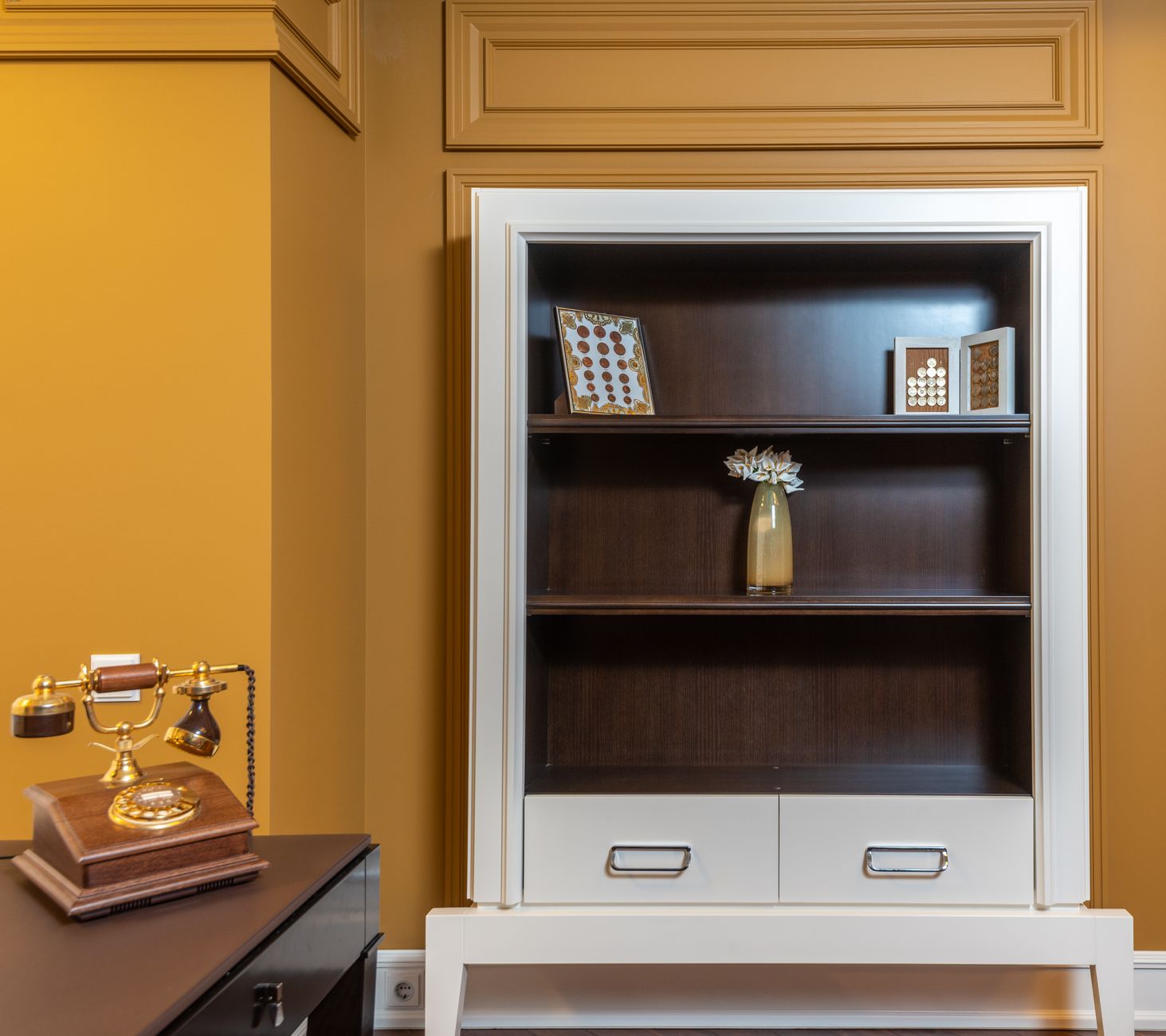
It was taller than a man. Dark wood, the colour of old tea. Seven drawers, each labelled in a script that changed depending on the angle of your head. The top drawer, when I finally opened it at half past two on a Wednesday morning, contained something that breathed. Not loudly. Just enough.
I’d been reading too much surrealist horror fiction. That was my first rational explanation, and I held onto it the way you hold a bannister in the dark. The second explanation, which I entertained briefly and then locked away, was that the cabinet was real, the breathing was real, and the seven sleeping curiosities inside it were simply waiting for me to read the right book. Or the wrong one.
If you’re drawn to fiction that treats reality as a suggestion rather than a rule, 2026 has been an extraordinary year for surrealist horror dream fiction novels in the UK. I’ve been working through a stack of them for months now, and I can report that the genre is doing something genuinely strange and compelling. These aren’t ghost stories in the classical sense. They’re something older and less polite.
What makes surrealist horror work (and why British readers respond to it)
The best dream-logic fiction doesn’t explain itself. That’s the first rule, and the writers who understand it produce books that follow you home. The logic of a nightmare, after all, is internally consistent. Doors open onto other doors. Clocks run backwards but arrive on time. You know the figure at the end of the corridor, even though you’ve never seen its face.
British readers, I’d argue, have a particular appetite for this. We grew up with Alice in Wonderland, with Mervyn Peake’s Gormenghast, with Angela Carter’s unsettling fables. There’s a long tradition here of fiction that refuses to behave. The surrealist horror shelf is simply that tradition grown teeth.
The cabinet hummed when I placed a book on top of it. Not aggressively. More the way a cat hums when it’s watching something you can’t see.
The best surrealist horror and dream fiction novels to read in the UK right now
Let me be specific about what I mean by dream-logic fiction, because the category is wider than it first appears. I’m not talking about fantasy novels where magic follows clear rules, nor straightforward psychological thrillers. I’m talking about books where the architecture of reality shifts mid-sentence, where you trust the narrator less the further you read, where the ending refuses to arrive cleanly. These are the books that sit in the gap between the sleeping and the waking.
Carmen Maria Machado’s In the Dream House (Serpent’s Tail) remains the benchmark. Machado uses second-person narration and fairy tale tropes to map an abusive relationship, and the result is one of the most formally inventive and genuinely disturbing books of the last decade. If you haven’t read it, the paperback is widely available across UK bookshops and it belongs on your shelf immediately.
Paul Tremblay’s A Head Full of Ghosts plays with possession narratives and reality television in ways that leave you genuinely uncertain about what happened. Tremblay is meticulous about never letting you settle. His more recent work continues in the same vein, and his novels are reliably stocked by Waterstones and independent shops alike.
For something more purely hallucinatory, T. Kingfisher’s What Moves the Dead retells Poe’s The Fall of the House of Usher with genuine strangeness intact. Kingfisher is one of the best working writers of horror that refuses comfortable explanations, and this novella is the ideal entry point. It’s short enough to finish in an evening and long enough to haunt you for a fortnight.
Jon McGregor’s Even the Dogs isn’t shelved as horror, but it belongs in this conversation. The novel’s narrative voice is genuinely uncanny, plural and fragmented, and it does something to your sense of time and self that most overtly horror novels never quite manage. McGregor is a Booker Prize-shortlisted British author, and this is his most unsettling work by some distance.
More recently, Alison Rumfitt’s Tell Me I’m Worthless (Cipher Press, a small UK indie press) is one of the most formally daring horror novels published in Britain in recent years. A house that is also a wound, a narrative that fractures along the lines of the characters’ trauma, prose that occasionally stops making sense in exactly the right way. I’ve recommended it to everyone I know who can handle it. Not all of them thanked me.
The Guardian’s books coverage has increasingly given space to this corner of horror fiction, which suggests the mainstream is catching up with what independent bookshops have known for a while: dream-logic horror is having its moment.
Connecting the dots: where this sits in the wider horror landscape
If you’ve already read your way through the classic ghost story tradition, our piece on the best ghost story collections by British and Irish authors is a useful parallel shelf. There’s genuine overlap between the ghost story form and the dream-logic novel, particularly in the way both genres use architecture as a psychological map. Houses, libraries, schools, ships: spaces that contain more than they should.
Similarly, if the surrealist edge appeals to you but you want something more rooted in myth and legend, the fiction covered in our mythology-retelling novels piece sits in adjacent territory. Mythology and dream-logic share a grammar: both operate by association rather than causation, both treat symbol as substance.
The cabinet’s second drawer, when I finally got around to it, contained letters. All of them addressed to me. All of them dated next year. I put them back without reading them, which I maintain was the correct decision, and brewed a strong cup of tea.
A few titles that don’t fit neatly anywhere
The best surrealist horror often resists categorisation, which is part of the point. Kathe Koja’s The Cipher, long out of print but now available through Meerkat Press, is a fever dream of a novel about a hole in the floor of a flat that shouldn’t exist. It reads like someone transcribed a nightmare at three in the morning and then edited it only lightly. It’s extraordinary.
For readers who want something more recent, Stephen Graham Jones’s The Only Good Indians is available in UK paperback and blends cultural horror with dream-space in ways that feel entirely new. Jones is one of the most interesting horror writers working anywhere right now, and his books have finally found proper distribution here.
And if you want something that sits right at the edge of the occult thriller and the dream novel, the books covered in our secret society and occult thriller novels piece are worth your attention. The best of them use secret knowledge as a metaphor for the dream-state: the sense that there’s a pattern beneath the visible world, and that seeing it clearly might cost you something.
By the time I got to the seventh drawer, I’d stopped being frightened. That’s the thing about reading in this genre: it recalibrates your baseline. The breathing was still there. Slower now, as if the thing inside had heard me reading aloud, and had settled.
I closed the drawer. I went back to bed. In the morning, the cabinet was exactly where I’d left it, and the top drawer was locked. I haven’t found the key. I’m not sure I’m looking very hard.
These are the books for that feeling. Read them at your own risk, in whatever light you have left.
Frequently Asked Questions
What are surrealist horror and dream-logic fiction novels?
Surrealist horror and dream-logic fiction are novels where the internal rules of reality shift, dissolve, or contradict themselves in ways that feel more like nightmares than straightforward narrative. Unlike traditional horror, these books rarely provide clear explanations; the dread comes from the disorientation itself. Authors like Carmen Maria Machado and T. Kingfisher are widely cited as current standouts in the genre.
Where can I buy surrealist horror dream fiction novels in the UK in 2026?
Most of the titles mentioned are available through Waterstones branches across the UK, as well as independent bookshops and online via Bookshop.org UK, which supports independent retailers. Some smaller press titles like Alison Rumfitt’s work are best sourced directly from Cipher Press or specialist horror stockists.
Is surrealist horror different from psychological horror?
They overlap but aren’t the same. Psychological horror typically maintains a coherent reality even as it explores disturbed mental states; the reader usually knows what’s real, even if the character doesn’t. Surrealist horror deliberately dismantles that boundary, so neither the reader nor the narrator can be certain what’s real. The effect is closer to dreaming than to paranoia.